
기본 정보
- 표준 SMILES
N#CC1=C(C#N)C(=O)C(Cl)=C(Cl)C1=O- InChIKey
HZNVUJQVZSTENZ-UHFFFAOYSA-N- 분자식
- C8Cl2N2O2
- 평균 분자량
- 227 g/mol
- 단동위원소 질량
- 225.9336826
개요
request from searcher
이름 및 식별자
- 우선 이름
- 2,3-Dichloro-5,6-dicyano-1,4-benzoquinone
- IUPAC
- 4,5-dichloro-3,6-dioxocyclohexa-1,4-diene-1,2-dicarbonitrile
- 현지명
- 2,3-디클로로-5,6-디시아노-1,4-벤조퀴논
- 영어명
- 2,3-Dichloro-5,6-dicyano-1,4-benzoquinone
- 분자식
- C8Cl2N2O2
- 분자량
- 227
이름 및 동의어
84-58-22,3-Dichloro-5,6-dicyano-1,4-benzoquinoneDichlorodicyanobenzoquinone2,3-Dichloro-5,6-dicyano-p-benzoquinone2,3-Dichloro-5,6-dicyanobenzoquinoneDichlorodicyano-p-benzoquinone1,4-CYCLOHEXADIENE-1,2-DICARBONITRILE, 4,5-DICHLORO-3,6-DIOXO-2,3-Dichloro-5,6-dicyanoquinone4,5-Dichloro-3,6-dioxo-1,4-cyclohexadiene-1,2-dicarbonitrile2,3-Dichloro-5,6-dicyano-p-quinone2,3-Dicyano-5,6-dichlorobenzoquinone2,3-Dicyano-5,6-dichloro-1,4-benzoquinone
이름 더 보기
2,3-디클로로-5,6-디시아노-1,4-벤조퀴논DDQ2,3-dicyano-5,6-dichloro-p-benzoquinone4,5-dichloro-3,6-dioxocyclohexa-1,4-diene-1,2-dicarbonitrile1,2-Dichloro-4,5-Dicyanobenzoquinone2,3-Dicyano-5,6-dichlorobenzoquinone2,3-dichloro-5,6-dicyano-4-benzoquinone
5,6-Dichloro-2,3-dicyano-p-benzoquinone5,6-Dicyano-2,3-dichloro-p-benzoquinone1H5KD39UH7NSC-401087RefChem:1330572,3-DDQDTXCID10818133201-542-2
데이터베이스 식별자
- CAS
84-58-2- PubChem CID
- 6775
- DTXSID
DTXSID7052577- ChEMBL
CHEMBL3759231- UNII
- 1H5KD39UH7
- EC Number
- 201-542-2
- Nikkaji
- J4.898D、J510.000C
물성
구조 계산 물성
- XLogP
- 1.6
- 극성 표면적
- 81.7 Ų
- 수소 결합 공여자 수
- 0
- 수소 결합 수용자 수
- 4
- 회전 가능 결합 수
- 0
- 무거운 원자 수
- 14
- 형식 전하
- 0
- 복잡도
- 464
실험 및 물리화학적 성질
Chemical ClassesNitrogen Compounds -> Other Aromatics (Nitrogen)
SpringerMaterials PropertiesNuclear quadrupole resonance spectroscopy
Physical DescriptionYellow to orange solid; [Merck Index] Dark yellow powder; [Alfa Aesar MSDS]
물리화학적 성질
- 녹는점
- 210 · 210-215 °C (dec.)(lit.)
- 끓는 점
- 301.8 · 301.8±42.0 °C(Predicted)
- 밀도
- 1.75 · 1.7500 (estimate)
- 저장 조건
- 30 °C · Store below +30°C.
- 용해도
- 벤젠, 메탄올, 아세트산 및 디옥산에 용해됩니다. 클로로포름, 디클로로메탄에 약간 용해됩니다.
- 물리적 상태
- 결정질 분말 또는 결정
- 색상
- 노란색에서 주황색으로
- 수용성
- 물과 반응
- Merck
- 14 · 14,3063
- BRN
- 747939 · 747939
- InChI
- 1S/C8Cl2N2O2/c9-5-6(10)8(14)4(2-12)3(1-11)7(5)13
- InChIKey
- HZNVUJQVZSTENZ-UHFFFAOYSA-N
- SMILES
- ClC1=C(Cl)C(=O)C(C#N)=C(C#N)C1=O
- NIST
- 1 · 1,4-Cyclohexadiene-1,2-dicarbonitrile, 4,5-dichloro-3,6-dioxo-(84-58-2)
- EPA
- 1 · 1,4-Cyclohexadiene-1,2-dicarbonitrile, 4,5-dichloro-3,6-dioxo- (84-58-2)
화학적 성질
yellow to orange powder
안전 및 규제
GHS 분류
GHS Classification
Danger
H301 (100%): Toxic if swallowed [Danger Acute toxicity, oral]
P261, P264, P264+P265, P270, P272, P280, P301+P316, P302+P352, P305+P351+P338, P321, P330, P333+P317, P337+P317, P362+P364, P405, and P501 (click each P-code to see the statement)
Aggregated GHS information provided per 77 reports by companies from 11 notifications to the ECHA C&L Inventory. Each notification may be associated with multiple companies.
유해성 정보
Regulatory Information
Chemical: 1,4-Cyclohexadiene-1,2-dicarbonitrile, 4,5-dichloro-3,6-dioxo-
Status: Active Update: 01-03-2023 https://echa.europa.eu/registration-dossier/-/registered-dossier/21337
2,3-Dichloro-5,6-dicyano-p-benzoquinone: Does not have an individual approval but may be used under an appropriate group standard
Hazards Summary
Intraperitoneal LD50 (mouse) = 31 mg/kg; Intravenous LD50 (mouse) = 13 mg/kg; [RTECS] Decomposed by water; [Merck Index] Reacts with water evolving toxic gases; An irritant; Toxic by ingestion; [Alfa Aesar MSDS] See Hydroquinone. See NITRILES.
Hazard Classes and CategoriesAcute Tox. 3 (100%)
안전 데이터
- wgk
- 3
- tsca
- TSCA listed
- rtecs
- GU4825000
- ridadr
- UN 3439 6.1/PG 3
- HS 번호
- 29269095
- risk_code
- 25-29-41-37/38-20/21-23/24/25
- hazard_code
- T
- safety_code
- 22-24/25-37-45-36/37-26-36/37/39
- 포장분류
- II
- 위험 등급
- 6.1
- F 고인화성물질
- 21
- Hazard Classifications
- Acute Tox. 3 Oral
- 스토리지 클래스
- 6.1C - Combustible acute toxic Cat.3toxic compounds or compounds which causing chronic effects
화학 및 산업
용도 및 제조
UsesUsed in steroid synthesis (oxidizing agent); [Merck Index]
General Manufacturing Information1,4-Cyclohexadiene-1,2-dicarbonitrile, 4,5-dichloro-3,6-dioxo-: ACTIVE
응용 분야
개요2,3-Dichloro-5,6-dicyano-1,4-benzoquinone (DDQ) has a variety of applications. DDQ is a deprotection agent for ketals, acetals, and thioacetals. It is a useful electron transfer reagent for synthesis of quinolones and an oxidizing agent used to synthesize steroids. Additionally, DDQ is used with Ph3P to synthesize 1,2-benzisoxazoles.
용도An oxidizing agent, especially in steroid synthesis.2,3-Dichloro-5,6-dicyano-1,4-benzoquinone is used as a reagent for oxidative couplings and cyclization reactions and dehydrogenation of alcohols, phenols and steroid ketones. It is also used in the synthesis of 1,2-benzisoxazoles. It is a useful electron-transfer reagent for synthesis of quinolines from imines and alkynes or alkenes.
제조 방법
The first synthesis of 2,3-Dichloro-5,6-dicyano-1,4-benzoquinone (DDQ) was described by J.Thiele and F.Guntber in 1906. However, no interest was shown in the compound until Linstead and co-workers discovered its extraordinary potency as a dehydrogenating agent. Its oxidation potential is greater than that of any other known quinone.2,3-Dichloro-5,6-Dicyanobenzoquinone (DDQ). A New Preparation
상·하류 제품 정보
상류 원료
하류 제품
공급사50 곳
国药集团化学试剂有限公司86-21-63210123 · [email protected]
梯希爱(上海)化成工业发展有限公司021-67121386 · [email protected]
衢州润东化工有限公司0570-8789886 18892685668 · [email protected]
上海阿拉丁生化科技股份有限公司400-6206333 13167063860 · [email protected]
南京一化生物科技有限公司13429882898; 13429882898
爱斯特(成都)生物制药股份有限公司+86-28-85122536 85324413 · [email protected]
山东前元高分子材料有限公司18678041314 18765609661 · [email protected]
北京安司莫森技术有限公司010-82954736 13391601435 · [email protected]
科瑞迪化学400-821-5857 021-64326257 · [email protected]
Syntechem Co.,Ltd[email protected]
上海迈瑞尔生化科技有限公司4006356688 18621169109 · [email protected]
阿法埃莎(中国)化学有限公司400-6106006 · [email protected]
上海德默医药科技有限公司400-021-7337 2355568890 · [email protected]
安耐吉化学&3A(安徽泽升科技股份有限公司)400-0056266 · [email protected]
上海柏卡化学技术有限公司400-026-1533/(021) 6478-0600 · [email protected]
上海瀚鸿科技股份有限公司021-54306202 13764082696 · [email protected]
上海景颜化工科技有限公司13817811078 · [email protected]
嘉兴市艾森化工有限公司0573-85285100 18627885956 · [email protected]
Pure Chemistry Scientific Inc.001-857-928-2050 or 1-888-588-9418 · [email protected]
上海隆盛化工有限公司58099637 13585536065 · [email protected]
Beckmann-Kenko GmbH+49 4241 9308 88 · [email protected]
山东西亚化学有限公司13355009207 13355009207 · [email protected]
唐山默内德贸易有限公司0315-8309571 15633399667 · [email protected]
玛雅试剂+86 (573) 82222445 (0)18006601000 452520369 · [email protected]
四川库利南科技有限公司400-1166-196 18981987031 · [email protected]
天津希恩思生化科技有限公司400 638 7771 · [email protected]
河南萬象化工有限公司(优势生产供应!)0371-56669001 13949088811 · [email protected]
南京维奥化工有限公司Please Send Email 18652950785 · [email protected]
常州创视电子科技有限公司+86 (519) 8829-2061 · [email protected]
斯百全化学(上海)有限公司021-021-021-67601398-809-809-809 15221380277 · [email protected]
宁波赛伦化工有限公司0574-28809768 18658497215 · [email protected]
艾科试剂4008-755-333 18080918076 · [email protected]
上海思域化工科技有限公司86-21-34053660 · [email protected]
赛默飞世尔科技(中国)有限公司800-810-5118 · [email protected]
北京伊诺凯科技有限公司400-810-7969 010-59572699 · [email protected]
上海特伯化学科技有限公司+86-21-60341587 · [email protected]
南京诺利斯医药科技有限公司13901585132 · [email protected]
TCI AMERICA800-4238616 · [email protected]
TOKYO CHEMICAL INDUSTRY CO., LTD.03-36680489 · [email protected]
TCI Europe320-37350700 · [email protected]
上海贤鼎生物科技有限公司4009209199 · [email protected]
深圳康特腾科技有限公司86-0755-86635001 · [email protected]
越林试剂021-62960152 · [email protected]
上海汇凯化学科技有限公司021-61995394 18916691159 · [email protected]
上海泽信化工科技有限公司021-60136491 15901897992
Xunteng International Trading Co.,Limited—
湖北鑫源顺医药化工有限公司13971561712, 13995564702, 027-50664929 · [email protected]
上海将来实业股份有限公司021-61552785 · [email protected]
安徽科迪达化工有限公司0554-2106669 · [email protected]
日照力德士化工有限公司010-51268198 · [email protected]
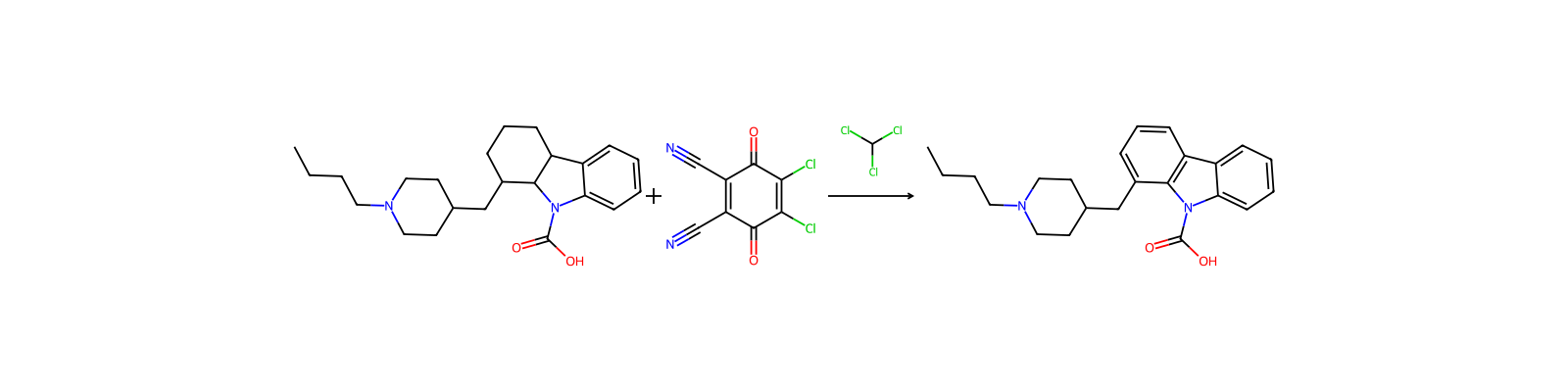
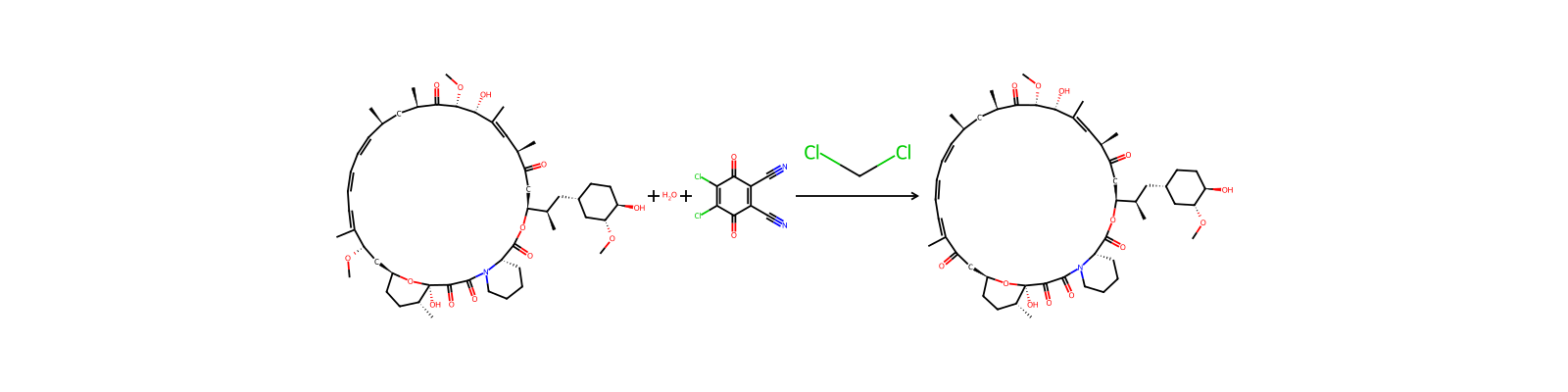
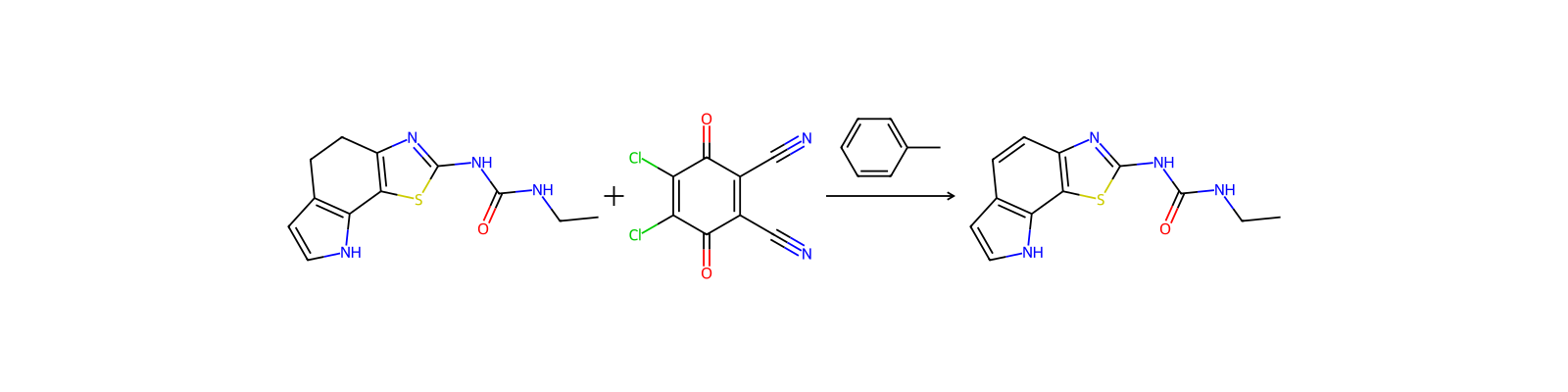
관련 반응
1,314건



연결된 노트
불러오는 중…