
1-Hydroxy-2-naphthoic acid

기본 정보
- CAS
86-48-6- 표준 SMILES
O=C(O)c1ccc2ccccc2c1O- InChIKey
SJJCQDRGABAVBB-UHFFFAOYSA-N- 분자식
- C11H8O3
- 평균 분자량
- 188.18 g/mol
- 단동위원소 질량
- 188.04734411
개요
1-hydroxy-2-naphthoic acid is a naphthoic acid with the carboxy group at position 2 and carrying a hydroxy substituent at the 1-position. It is a xenobiotic metabolite produced by the biodegradation of phenanthrene by microorganisms. It has a role as a fungal xenobiotic metabolite and a bacterial xenobiotic metabolite. It is a member of naphthols, a naphthoic acid and a hydroxy monocarboxylic acid. It is functionally related to a 2-naphthoic acid. It is a conjugate acid of a 1-hydroxy-2-naphthoate.
이름 및 식별자
- 우선 이름
- 1-Hydroxy-2-naphthoic acid
- IUPAC
- 1-hydroxynaphthalene-2-carboxylic acid
- 영어명
- 1-Hydroxy-2-naphthoic acid
- 분자식
- C11H8O3
- 분자량
- 188.18
이름 및 동의어
1-Hydroxy-2-naphthoic acid86-48-61-hydroxynaphthalene-2-carboxylic acid1-Naphthol-2-carboxylic acid2-Carboxy-1-naphtholXinafoic acid2-Naphthalenecarboxylic acid, 1-hydroxy-1-HYDROXY-2-NAPHTHALENECARBOXYLIC ACIDU8LZ3R07L8DTXSID5058937NSC-3717CHEBI:36108
이름 더 보기
NSC 3717Xinafoic acid.RARECHEM AL BE 03591-Hydroxy-2-naphthoiLABOTEST-BB LT004527571-Hydroxy-2-phthoic acidhydroxy-2-naphthoic acid1-Hydroxy-2-naphthoicaci1-hydroxy-β-naphthoic acid
RefChem:433115DTXCID0048503201-674-02-Naphthoic acid, 1-hydroxy-CARBOXYNAPHTHOLMFCD00003960alpha-Hydroxynaphthoic acidCHEMBL229299
데이터베이스 식별자
- CAS
86-48-6- PubChem CID
- 6844
- DTXSID
DTXSID5058937- ChEMBL
CHEMBL229299- ChEBI
CHEBI:36108- UNII
- U8LZ3R07L8
- EC Number
- 201-674-0
- Nikkaji
- J4.260I
물성
구조 계산 물성
- XLogP
- 2.6
- 극성 표면적
- 57.5 Ų
- 수소 결합 공여자 수
- 2
- 수소 결합 수용자 수
- 3
- 회전 가능 결합 수
- 1
- 무거운 원자 수
- 14
- 형식 전하
- 0
- 복잡도
- 227
실험 및 물리화학적 성질
Chemical ClassesOther Classes -> Naphthoic Acids
SpringerMaterials Properties13C nuclear magnetic resonance spectrum
Physical DescriptionWhite to reddish solid; [Merck Index] Light brown powder; [Sigma-Aldrich MSDS]
물리화학적 성질
- 녹는점
- 195 · 195-200 °C (dec.) (lit.)
- 끓는 점
- 283.17 °C · 283.17°C (rough estimate)
- 밀도
- 1.21 · 1.2100 (rough estimate)
- 굴절률
- 1.631 · 1.6310 (estimate)
- 인화점
- 150 °C · 150 °C
- 저장 조건
- Sealed in dry,Room Temperature
- 용해도
- 알코올: 자유롭게 용해됨
- 물리적 상태
- 분말 또는 결정
- 산도 계수 (pKa)
- 3.02 · 3.02±0.30(Predicted)
- 색상
- 흰색에서 약간 분홍색, 황갈색까지
- 수용성
- 뜨거운 물에 용해됨
- Merck
- 14 · 14,4834
- BRN
- 974438 · 974438
- InChI
- 1S/C11H8O3/c12-10-8-4-2-1-3-7(8)5-6-9(10)11(13)14/h1-6,12H,(H,13,14)
- InChIKey
- SJJCQDRGABAVBB-UHFFFAOYSA-N
- SMILES
- OC(=O)c1ccc2ccccc2c1O
- LogP
- 3.196 · 3.196 (est)
- EPA
- 1 · 1-Hydroxy-2-naphthoic acid (86-48-6)
화학적 성질
beige to brown-grey powder. 1-Hydroxy-2-naphthoic acid [86-48-6], C11H8O3, Mr 188.17, mp 200℃, is only sparingly soluble in hot water but readily soluble in alkali and ethanol. It couples with diazo compounds in the 4-position and, with excess, in the 4,7-positions. It is sulfonated by oleum to give the 4-sulfonic and then the 4,7-disulfonic acids. Halogenation occurs in the 4-position, and nitrosation gives 2-nitroso-1-naphthol.
안전 및 규제
안전 정보는 참고용이며, 공급업체의 물질안전보건자료(SDS), 관련 법규 및 전문가 평가를 대체하지 않습니다.
GHS 분류
GHS Classification
This chemical does not meet GHS hazard criteria for 7.1% (12 of 168) of reports.
Danger
H302 (61.9%): Harmful if swallowed [Warning Acute toxicity, oral]
P261, P264, P264+P265, P270, P271, P280, P301+P317, P302+P352, P304+P340, P305+P351+P338, P305+P354+P338, P317, P319, P321, P330, P332+P317, P337+P317, P362+P364, P403+P233, P405, and P501 (click each P-code to see the statement)
Aggregated GHS information provided per 168 reports by companies from 11 notifications to the ECHA C&L Inventory. Each notification may be associated with multiple companies.
유해성 정보
Regulatory Information
Chemical: 2-Naphthalenecarboxylic acid, 1-hydroxy-
1-Hydroxy-naphthalene-2-carboxylic acid: Does not have an individual approval but may be used under an appropriate group standard
Hazards SummaryA skin and strong eye irritant; [Sigma-Aldrich MSDS]
Hazard Classes and CategoriesAcute Tox. 4 (61.9%)
안전 데이터
- wgk
- 3
- tsca
- TSCA listed
- HS 번호
- 29182910
- risk_code
- 36/37/38
- hazard_code
- Xi
- safety_code
- 26-36-37/39-37
- 기존화학 물질
- 2014-3-5763
- Hazard Classifications
- Eye Irrit. 2Skin Irrit. 2STOT SE 3
- 스토리지 클래스
- 11 - Combustible Solids
화학 및 산업
용도 및 제조
UsesUsed as a reagent in synthetic organic chemistry; [Merck Index]
General Manufacturing Information2-Naphthalenecarboxylic acid, 1-hydroxy-: ACTIVE
응용 분야
용도Metabolite from phenanthrene degradation. 1-Hydroxy-2-naphthoic acid is used as an intermediate for azo and triphenylmethane dyes and, more recently, for color-film dyes.
일반 설명1-Hydroxy-2-naphthoic acid is produced by the transformation of phenanthrene by NCIB 9816 clones.
상·하류 제품 정보
상류 원료
하류 제품
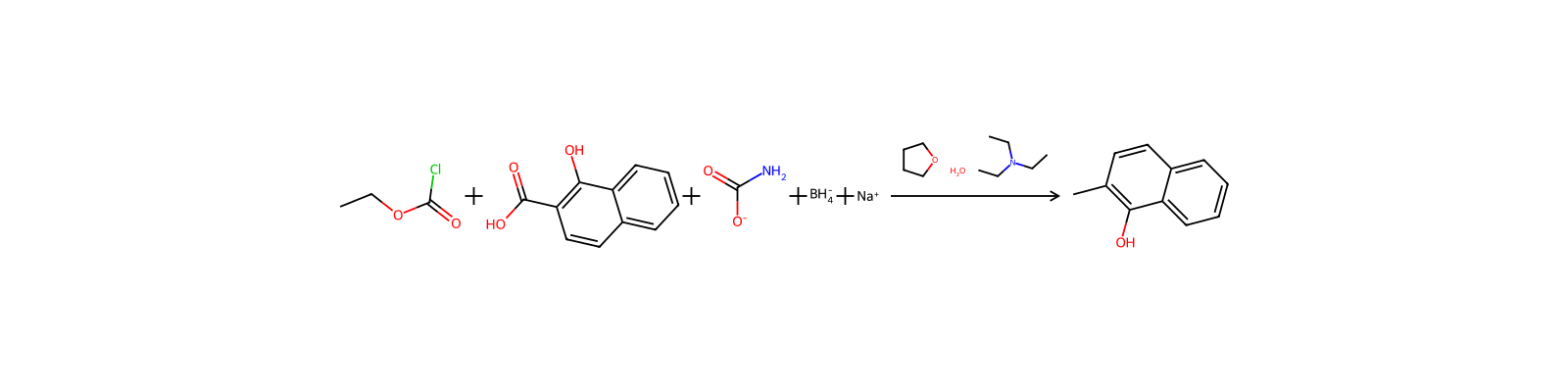
관련 반응
87건


화합물 노트
불러오는 중…