
3-피리딘올
3-Hydroxypyridine

기본 정보
- CAS
109-00-2- 표준 SMILES
Oc1cccnc1- InChIKey
GRFNBEZIAWKNCO-UHFFFAOYSA-N- 분자식
- C5H5NO
- 평균 분자량
- 95.1 g/mol
- 단동위원소 질량
- 95.03711378
개요
3-pyridinol is a monohydroxypyridine that is pyridine in which the hydrogen at position 3 has been replaced by a hydroxy group. It has been detected as a thermal degradation product from the smoke of the burning leaves of Salvia divinorum, a Mexican psychoactive plant.
이름 및 식별자
- 우선 이름
- 3-Hydroxypyridine
- IUPAC
- pyridin-3-ol
- 현지명
- 3-피리딘올
- 영어명
- 3-Hydroxypyridine
- 분자식
- C5H5NO
- 분자량
- 95.1
이름 및 동의어
3-HYDROXYPYRIDINEpyridin-3-ol109-00-23-Pyridinol3-Pyridolbeta-Hydroxypyridinem-Hydroxypyridine4KBE4P5B6SNSC-18470DTXSID1051563CHEBI:87440RefChem:94397
이름 더 보기
3-피리딘올3-HP2(1H)-PYRIDONEpyridin-3(4H)-oneNSC 184702-PYRIDONB-PYRIDONE
DTXCID5030115203-637-43-Pyridone3-Oxopyridine3-Pyridyl alcohol3-hydroxy-pyridineMFCD00006378.beta.-Hydroxypyridine
데이터베이스 식별자
- CAS
109-00-2- PubChem CID
- 7971
- DTXSID
DTXSID1051563- ChEMBL
CHEMBL237847- ChEBI
CHEBI:87440- UNII
- 4KBE4P5B6S
- EC Number
- 203-637-4
- Nikkaji
- J1.202.743E、J94.858F
물성
구조 계산 물성
- XLogP
- 0.5
- 극성 표면적
- 33.1 Ų
- 수소 결합 공여자 수
- 1
- 수소 결합 수용자 수
- 2
- 회전 가능 결합 수
- 0
- 무거운 원자 수
- 7
- 형식 전하
- 0
- 복잡도
- 56
실험 및 물리화학적 성질
Chemical Classes
Nitrogen Compounds -> Pyridines
Industrial compound
SpringerMaterials PropertiesChemical shift
LogP0.48
Vapor Pressure0.55 [mmHg]
Physical DescriptionLight tan powder; [Alfa Aesar MSDS]
Ionization Efficiency
Positive
2.76
2.7
Agilent XCT
Electrospray ionization
formic acid (5.3nM)
Collision Cross Section117.3 Ų [M+H]+ [CCS Type: DT; Buffer gas: N2; Ionization: ESI+; Dataset: TOXCAST; Source Identifier: DTXSID1051563]
물리화학적 성질
- 녹는점
- 125 · 125-128 °C (lit.)
- 끓는 점
- 280 · 280-281 °C(lit.)
- 밀도
- 1.1418 · 1.1418 (rough estimate)
- 굴절률
- 1.5939 · 1.5939 (estimate)
안전 및 규제
안전 정보는 참고용이며, 공급업체의 물질안전보건자료(SDS), 관련 법규 및 전문가 평가를 대체하지 않습니다.
GHS 분류
GHS Classification
This chemical does not meet GHS hazard criteria for 5.2% (3 of 58) of reports.
Warning
H315 (94.8%): Causes skin irritation [Warning Skin corrosion/irritation]
P261, P264, P264+P265, P271, P280, P302+P352, P304+P340, P305+P351+P338, P319, P321, P332+P317, P337+P317, P362+P364, P403+P233, P405, and P501 (click each P-code to see the statement)
Aggregated GHS information provided per 58 reports by companies from 13 notifications to the ECHA C&L Inventory. Each notification may be associated with multiple companies.
유해성 정보
Regulatory Information
Chemical: 3-Pyridinol
Status: Active Update: 16-05-2018 https://echa.europa.eu/registration-dossier/-/registered-dossier/19717
3-Pyridinol: Does not have an individual approval but may be used under an appropriate group standard
Hazards SummaryCauses anticonvulsant effects in acute intraperitoneal studies of mice; Causes altered sleep time and changes in motor activity in lethal-dose studies; [RTECS] A skin and strong eye irritant; [Alfa Aesar MSDS] See 2-Hydroxypyridine.
Hazard Classes and CategoriesSkin Irrit. 2 (94.8%)
독성 정보
Adverse EffectsNeurotoxin - Other CNS neurotoxin
안전 데이터
- wgk
- 3
- tsca
- TSCA listed
- rtecs
- UV1144050
- HS 번호
- 29333999
- risk_code
화학 및 산업
약리 정보
MeSH Pharmacological ClassificationNaturally occurring or synthetic substances that inhibit or retard oxidation reactions. They counteract the damaging effects of oxidation in animal tissues.
용도 및 제조
General Manufacturing Information3-Pyridinol: ACTIVE
응용 분야
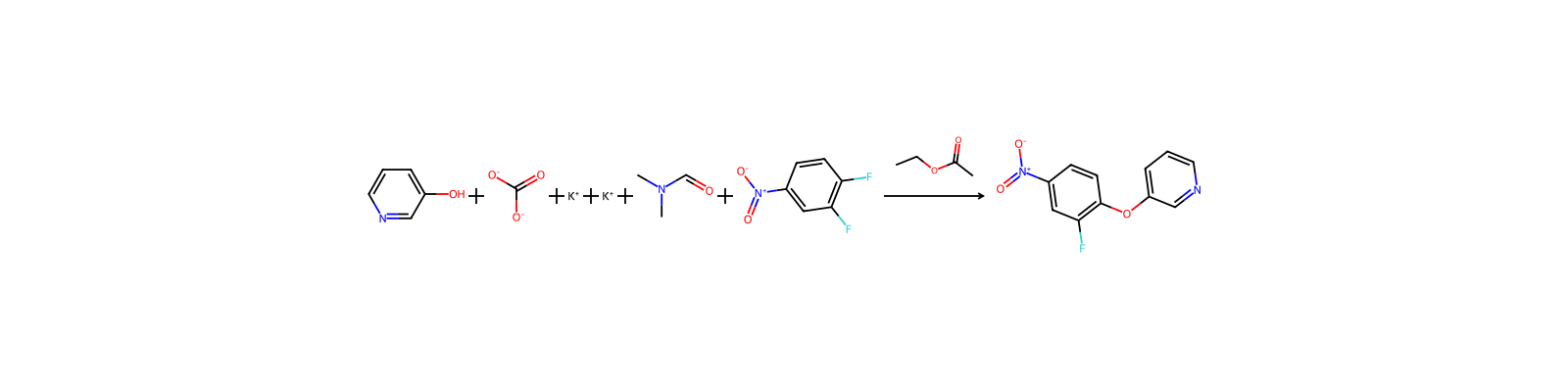
용도3-Hydroxypyridine (cas# 109-00-2) is a compound useful in organic synthesis.
제조 방법
3-hydroxypyridine was prepared by reacting furfurylamine with H2O2 in the presence of HCl, followed by hydrolysis. The optimal conditions were found as fellows: molar ratio of furfurylamine: HCl : H2O2 = 1 : 5 : 1.1, and H2O2 added dropwisely at 0-5 °C, and then refluxed at 100-105 °C for 0.5 h.
상·하류 제품 정보
상류 원료
하류 제품
관련 반응
506건



화합물 노트
불러오는 중…