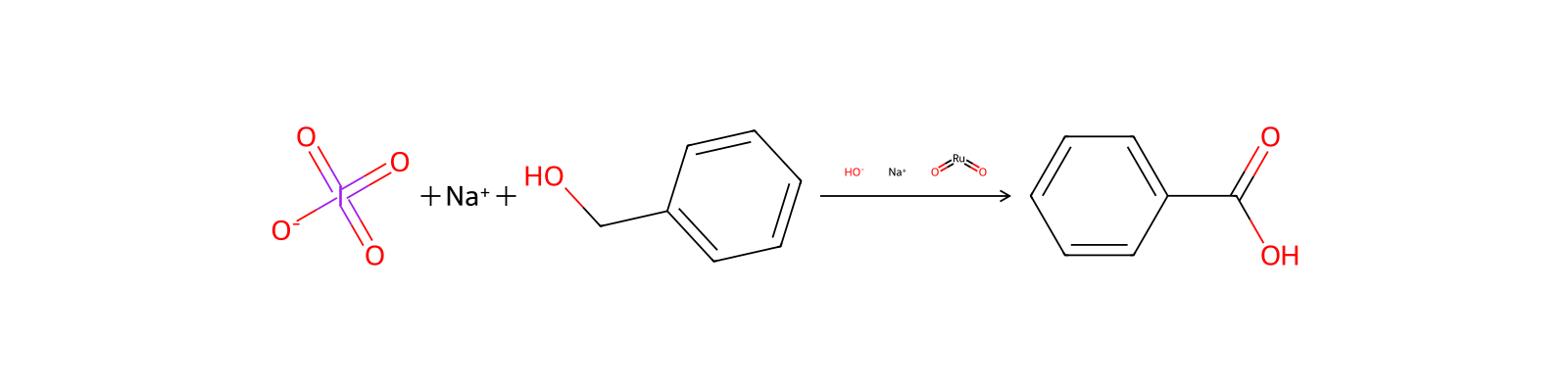
HRID 28186촉매로
Ruthenium dioxide

11113-84-1[O]=[Ru]=[O]WOCIAKWEIIZHES-UHFFFAOYSA-NRN given refers to cpd with MF of Ru-O2
11113-84-1、12036-10-1DTXSID0065193Black odorless powder; Hygroscopic; [Alfa Aesar MSDS]
V (@25 °C)
안전 정보는 참고용이며, 공급업체의 물질안전보건자료(SDS), 관련 법규 및 전문가 평가를 대체하지 않습니다.
This chemical does not meet GHS hazard criteria for 12.5% (37 of 295) of reports.
Danger
H272 (10.2%): May intensify fire; oxidizer [Danger Oxidizing liquids; Oxidizing solids]
P210, P220, P264+P265, P273, P280, P305+P351+P338, P337+P317, P370+P378, and P501 (click each P-code to see the statement)
Aggregated GHS information provided per 295 reports by companies from 10 notifications to the ECHA C&L Inventory. Each notification may be associated with multiple companies.
Chemical: Ruthenium oxide (RuO2)
REACH registered substance: Ruthenium (IV) oxide (EC: 234-840-6)
Causes somnolence, changes in motor activity, and ataxia in oral lethal-dose studies of mice and rats; Causes changes in recordings from specific areas of the CNS, and structural or functional changes in trachea or bronchi in 17-week intermittent inhalation studies of guinea pigs and rats; [RTECS] A strong eye irritant; [Alfa Aesar MSDS] See Ruthenium.
14 [mg/m3]
150 [mg/m3]
910 [mg/m3]
용도Ruthenium(IV) Oxide Anhydrous is a research reagent and applied for exfoliation of layered metal oxide nanosheets.


Ruthenium dioxide(RuO2) is a dark blue/black powder and the most common oxide of ruthenium. It belongs to the tetragonal crystal system, is insoluble in water and acids, but soluble in molten alkali solutions. It is stable in air, can be reduced by hydrogen at high temperatures, and decomposes when heated above 800°C.