
기본 정보
- 표준 SMILES
O=O- InChIKey
MYMOFIZGZYHOMD-UHFFFAOYSA-N- 분자식
- O2
- 평균 분자량
- 31.999 g/mol
- 단동위원소 질량
- 31.98982924
개요
Oxygen is a colorless, odorless and tasteless gas. It will support life. It is noncombustible, but will actively support the burning of combustible materials. Some materials that will not burn in air will burn in oxygen. Materials that burn in air will burn more vigorously in oxygen. As a non-liquid gas it is shipped at pressures of 2000 psig or above. Pure oxygen is nonflammable. Under prolonged exposure to fire or intense heat the containers may rupture violently and rocket. Oxygen is used in the production of synthesis gas from coal, for resuscitation and as an inhalant.
이름 및 식별자
- 우선 이름
- Oxygen
- IUPAC
- molecular oxygen
- 영어명
- Oxygen
- 분자식
- O2
- 분자량
- 31.9988
이름 및 동의어
oxygenMolecular oxygenoxygen moleculeDioxygen7782-44-7Pure oxygenOxygeniumLiquid oxygenOxygen, liquifiedOxygen-16Compressed oxygenOxygen, compressed
이름 더 보기
INS NO.948DTXSID2037681INS-948E-948S88TT14065E948RNS60 COMPONENT OXYGENRNS-60 COMPONENT OXYGEN
데이터베이스 식별자
- CAS
11062-77-4、7782-44-7- PubChem CID
- 977
- DTXSID
DTXSID2037681- ChEMBL
CHEMBL1234886- ChEBI
CHEBI:15379- UNII
- S88TT14065
- EC Number
- 231-956-9
- Nikkaji
- J1.336.092H、J415.761C
물성
구조 계산 물성
- XLogP
- -1.1
- 극성 표면적
- 34.1 Ų
- 수소 결합 공여자 수
- 0
- 수소 결합 수용자 수
- 2
- 회전 가능 결합 수
- 0
- 무거운 원자 수
- 2
- 형식 전하
- 0
- 복잡도
- 0
실험 및 물리화학적 성질
Chemical ClassesOther Classes -> Inorganic Oxidizing Agents
SpringerMaterials PropertiesGibbs energy
LogP
log Kow = 0.65
0.65
0.65
0.65
OdorOdorless
TasteTasteless
Density
1.14 at -297.4 °F (USCG, 1999) - Denser than water; will sink
Gas: 1.429 g/L at 0 °C; liq: 1.14 g/ml at -183 °C
1.14 at -297.4 °F
ViscosityGas: 101.325 kPa at 25 °C (0.020 75 cP); Liquid: 99.70 K (0.156 cP)
Color/Form
Colorless gas
Slightly bluish liquid at -183 °C
Solubility
39mg/L
1 vol gas dissolves in 32 vol water at 20 °C, in 7 vol alcohol at 20 °C; sol in other organic liquids and usually to a greater extent than in water
4.89 CU M SOL IN 100 CC WATER @ 0 °C; 2.46 CU M SOL IN 100 CC WATER @ 50 °C; 2.30 CU M SOL IN 100 CC WATER @ 100 °C; 2.78 G SOL IN 100 CC ALC @ 25 °C
37.5 mg/mL at 21 °C
Solubility in water, ml/100ml at 20 °C: 3.1
Solubility in water, ml/100ml at 20 °C: 3.1
Human Drugs
FDA approved drugs -> Active ingredient
General anaesthetics and oxygen > Inhalational medicines
Boiling Point
-297.3 °F at 760 mmHg (USCG, 1999)
-182.96 °C
-183 °C
-183 °C
-297.3 °F
Melting Point
-361 °F (USCG, 1999)
-218.4 °C
TRIPLE POINT TEMP: 54.4 DEG K; TRIPLE POINT PRESSURE: 0.0015 ATM; HEAT OF FUSION: 3.3 CAL/G
-218.4 °C
-218.4 °C
-218.4 °C
물리화학적 성질
- 녹는점
- -218.4 °C · -218.4 °C
- 끓는 점
- -182.96 °C · -182.96 °C
- 밀도
- 3.419 g/cm3 · 3.419 g/cm3
안전 및 규제
GHS 분류
GHS Classification
Danger
H270: May cause or intensify fire; oxidizer [Danger Oxidizing gases]
P220, P244, P370+P376, and P403 (click each P-code to see the statement)
This chemical does not meet GHS hazard criteria for 1% (13 of 1351) of reports.
Danger
H270 (99%): May cause or intensify fire; oxidizer [Danger Oxidizing gases]
유해성 정보
Regulatory Information
Chemical: Oxygen
Oxygen is listed on the EPA's Chemical Data Reporting (CDR) system. Manufacturers and importers of Oxygen are required to report information about their production and use of this chemical to the EPA under the Toxic Substances Control Act (TSCA). (40 eCFR Part 711)
Oxygen: HSNO Approval: HSR001029 Approved with controls
The New Jersey Worker and Community Right to Know Act requires public and private employers to provide information about hazardous substances at their workplaces. (N.J.S.A. 34:5A-1 et. seq.)
Other Safety InformationIMAP assessments - Oxygen: Human health tier I assessment
DOT Label
Non-Flammable Gas Oxidizer
Non-Flammable Gas Oxidizer
Fire Hazards
Behavior in Fire: Increases intensity of any fire. Mixtures of liquid oxygen and any fuel are highly explosive. (USCG, 1999)
Excerpt from ERG Guide 122 [Gases - Oxidizing (Including Refrigerated Liquids)]:
· Substance does not burn but will support combustion.
· Substance does not burn but will support combustion.
Not combustible but enhances combustion of other substances. Heating will cause rise in pressure with risk of bursting.
Not combustible but enhances combustion of other substances. Risk of fire and explosion on contact with combustible substances or reducing agents.
Fire Potential
Gas: moderate fire risk as oxidizing agent.
Oxygen is noncombustible, but actively supports combustion.
Strong oxidizer ... May initiate fire/explosion in combustible materials. /Oxygen, liquid/
Even a slight increase in the oxygen content of air above its usual 21 vol % will greatly increase the rate of oxidation or combustion of many substances.
... Fires at the interface of oxygen regulators and cylinder valves because of incorrect use of /the plastic (usually Nylon) crush gasket of/ CGA 870 seals /was alerted/ ... 12 reports /had been received/ in which regulators used with oxygen cylinders have burned or exploded, in some cases injuring personnel. Some of the incidents occurred during emergency medical use or during routine equipment checks.
... 16 reports of aluminum regulators used with oxygen cylinders burning or exploding /had been received/. These incidents caused severe burns to 11 health care workers and patients. Many of the incidents occurred during emergency medical use or during routine equipment checkout. FDA and The National Institute for Occupational Safety and Health (NIOSH) believe that the aluminum in these regulators was a major factor in both the ignition and severity of the fires ...
Health Hazards
Inhalation of 100% oxygen can cause nausea, dizziness, irritation of lungs, pulmonary edema, pneumonia, and collapse. Liquid may cause frostbite of eyes and skin. (USCG, 1999)
Excerpt from ERG Guide 122 [Gases - Oxidizing (Including Refrigerated Liquids)]:
· Vapors may cause dizziness or asphyxiation without warning, especially when in closed or confined areas.
· Vapors may cause dizziness or asphyxiation without warning, especially when in closed or confined areas.
Hazards Summary
A powerful oxidizer and explosion hazard; Liquid may cause frostbite; Inhalation of 100% oxygen for 24 hours can cause pulmonary edema; Chronic exposure to high concentrations of oxygen can cause lung scarring; [CHEMINFO] Oxygen toxicity is observed in mechanically ventilated patients treated for hypoxic respiratory failure. Exposures to oxygen at FIO2 of 50 to 60% for more than 6 hours can cause lung injury including alveolar edema, formation of hyaline membranes, hypoxemia, and progressive fibrosis. [Cecil, p. 582]
DOT ID and Guide
1072 122
1073 122
Reactive Group
Oxidizing Agents, Strong
Oxidizing Agents, Strong
EC Classification
Symbol: O; R: 8; S: (2)-17
Symbol: O; R: 8; S: (2)-17
UN Classification
UN Hazard Class: 2.2; UN Subsidiary Risks: 5.1
UN Hazard Class: 2.2; UN Subsidiary Risks: 5.1
Special ReportsA REVIEW WITH 123 REFERENCES ON THE MECHANISMS OF OXYGEN TOXICITY & PROPOSED MEANS OF PROTECTION AGAINST ITS DETRIMENTAL ACTIONS.[FRANK L, MASSARO D; OXYGEN TOXICITY; AM J MED 69 (1): 117-26 (1980)]
안전 및 보호
Fire Fighting
Excerpt from ERG Guide 122 [Gases - Oxidizing (Including Refrigerated Liquids)]:
Excerpt from ERG Guide 122 [Gases - Oxidizing (Including Refrigerated Liquids)]:
In case of fire in the surroundings, use appropriate extinguishing media. In case of fire: keep cylinder cool by spraying with water. Combat fire from a sheltered position.
In case of fire in the surroundings, use appropriate extinguishing media. In case of fire: keep drums, etc., cool by spraying with water. NO direct contact with water. Combat fire from a sheltered position.
First Aid Measures
Refer for medical attention.
Fresh air, rest. Refer for medical attention.
ON FROSTBITE: rinse with plenty of water, do NOT remove clothes. Refer for medical attention .
First rinse with plenty of water for several minutes (remove contact lenses if easily possible), then refer for medical attention.
Accidental Release Measures
· CALL 911. Then call emergency response telephone number on shipping paper. If shipping paper not available or no answer, refer to appropriate telephone number listed on the inside back cover.
· Keep combustibles (wood, paper, oil, etc.) away from spilled material.
· CALL 911. Then call emergency response telephone number on shipping paper. If shipping paper not available or no answer, refer to appropriate telephone number listed on the inside back cover.
· Keep combustibles (wood, paper, oil, etc.) away from spilled material.
First Aid
INHALATION: in all but the most severe cases (pneumonia), recovery is rapid after reduction of oxygen pressure; supportive treatment should include immediate sedation, anticonvulsive therapy if needed, and rest.
Excerpt from ERG Guide 122 [Gases - Oxidizing (Including Refrigerated Liquids)]:
General First Aid:
General First Aid:
Safe Storage
Fireproof. Separated from combustible substances and reducing agents. Cool.
Fireproof. Separated from combustible substances and reducing agents. Cool.
Firefighting Hazards
If oxygen-enriched clothing catches fire, extinguish under safety shower; fire blanket may not be effective. Use continuous water spray to soak clothing of a rescuer who must operate in oxygen-enriched fire area.
Most fibrous fabrics will absorb oxygen when exposed to concn greater than the normal 21% in air, and this is retained for a long time after excess oxygen is no longer present, greatly increasing the possibility of ignition.
Heating will cause rise in pressure with risk of bursting ... The gas is heavier than air.
Exposure Control and Personal Protection
· Wear positive pressure self-contained breathing apparatus (SCBA).
· Wear positive pressure self-contained breathing apparatus (SCBA).
Fire Fighting Procedures
LIQ: When fire results from a leak or flow of liq oxygen onto wood, paper, waste or another similar material, the first thing to do is stop flow if possible. For small spills, or after leak or flow of liq oxygen has been stopped, use enough water to put out fire quickly. When fire involves liq oxygen and liq fuels, control it as follows: (a) When liq oxygen leaks or flows into large quantities of fuel, shut off flow of liq oxygen, and put remaining fuel fire out with extinguishing agents suitable for use on class B fires. When fuel leaks or flows into large quantities of liq oxygen, shut off flow of fuel. (b) When fuel and liq oxygen are mixed or mixing but are not yet burning, isolate area from sources of ignition and get out quickly, allowing oxygen to evaporate. When large pools of water-soluble fuel are present, use water to dilute fuel and reduce intensity of fire. This method cannot be used with fuels which do not mix with water. Appropriate extinguishing agents may be used to put out fuel fires after the oxygen has evaporated.
If material involved in fire: Dangerously explosive. Cool all affected containers with flooding quantities or water. Do not use water on material itself. Apply water from as far a distance as possible. /Oxygen, refrigerated liquid/
If material involved in fire: Dangerously explosive. Cool all affected containers with flooding quantities of water. Apply water from as far as distance as possible. /Oxygen, compressed/
Evacuation: If fire becomes uncontrollable or container is exposed to direct flame: consider evacuation of one-third (1/3) mile radius. /Oxygen, compressed; Oxygen, refrigerated liquid/
Storage Conditions
GAS & LIQ: GASEOUS OXYGEN IS STORED ... IN CYLINDERS AT A PRESSURE OF 150-160 ATM, & INSULATED TANKS ARE USED FOR LIQUID OXYGEN; SMALL QUANTITIES OF LIQUID OXYGEN (2-50 L) CAN BE STORED IN DEWAR FLASKS.
Oxygen should be stored in an area that is at least 20 ft away from any flammable or combustible materials (especially oil & grease) or separated from them by a noncombustible barrier at least 5 ft high & having a fire-resistant rating of at least 1/2 hr.
LIQ: Protect against physical damage. Isolate from combustible gas installations and combustible materials by adequate distance or by gas-tight fire-resistive barriers. Protect against overheating. Outside storage of liq oxygen tanks is recommended.
Where oxygen may be released, provide adequate ventilation to prevent excessive oxygen-enrichment of the workplace atmosphere (holding at < 23 Vol % O2 is recommended for fire safety).
Store oxygen containers in a clean, cool, dry, well-ventilated, low-fire risk area ... Never expose any part of a cylinder to temperature above 125 °F. Ground equipment to eliminate build-up of static charge. Ensure that containers of liquid oxygen are properly vented to prevent pressure build-up and that suitable materials are used to contact liquid oxygen and high purity oxygen. /Liquid and compressed oxygen/
Cleanup Methods
Notify safety personnel of significant leaks or spills. ... Shut off oxygen source if possible.
To increase the rate of controlled evaporation, spray with large amounts of water (fog may be generated and reduce visibility). /Liquid oxygen/
Eliminate all ignition sources. Stop or control the leak, if this can be done without undue risk. USe water spray to disperse vapors and protect personnel.
Ventilation. Remove all ignition sources. Do NOT absorb in saw-dust or other combustible absorbents. NEVER direct water jet on liquid. /Oxygen, liquefied/
Nonfire Spill Response
Excerpt from ERG Guide 122 [Gases - Oxidizing (Including Refrigerated Liquids)]:
Excerpt from ERG Guide 122 [Gases - Oxidizing (Including Refrigerated Liquids)]:
Disposal Methods
SRP: The most favorable course of action is to use an alternative chemical product with less inherent propensity for occupational exposure or environmental contamination. Recycle any unused portion of the material for its approved use or return it to the manufacturer or supplier. Ultimate disposal of the chemical must consider: the material's impact on air quality; potential migration in soil or water; effects on animal, aquatic, and plant life; and conformance with environmental and public health regulations.
Remove waste containers or leaking cylinders to exhaust hood or outdoors away from combustibles and allow to discharge at moderate rate. Tag cylinder to indicate defect, close valve and return to supplier. /Liquid and compressed oxygen/
Evaporation: Remove waste containers or leaking cylinders to exhaust hoods or outdoors away from combustibles and allow to discharge @ a moderate rate. Tag cylinder to indicate defect, close valve and return to supplier.
독성 정보
Interactions
... Toxicity of oxygen to dogs' eyes could be enhanced ... by promazine ... chlorpromazine, thioridazine, & chloroquine.
... Some anticancer drugs, for example, bleomycin and cyclophosphamide, show increased acute lung damage in animals in combination with hyperoxia. Whether this is also true in humans is uncertain. It appears that direct interaction between O2 and the anticancer drugs occurs, rather than interference by O2 with the repair of damage done by the drugs.
Hyperoxia and nitric oxide act synergistically in their cytotoxicity to A549 cells (human alveolar epithelial cells). This interaction is of human relevance because nitric oxide is being tested clinically for infants and children with pulmonary hypertension, and these patients are also frequently receiving simultaneous O2 therapy.
... Carefully maintained, anesthetized, intubated, and mechanically ventilated baboons /were exposed/ for 11 days to 40% O2, 80% O2, 100% O2 ... or 80% O2 followed by inoculation with Pseudomonas aeruginosa bacteria. The groups exposed to 100% O2 or 80% O2 plus bacterial inoculation showed mixed exudative-reparative diffuse alveolar lesions, altered morphology of type II cells, increased numbers of type II cells and interstitial cells, and decreased numbers of type I and endothelial cells. The animals exposed to 40% O2 or 80% O2 showed increased numbers of alveolar macrophages and focal widening of alveolar walls. The most striking finding was that 80% O2 plus infection caused responses as severe as 100% O2. It was suggested that the combination with infection reflects the evolution of adult respiratory distress syndrome that occurs in some human patients in intensive medical care units (and other situations involving lung injury).
For more Interactions (Complete) data for OXYGEN (25 total), please visit the HSDB record page.
Exposure Routes
The substance can be absorbed into the body by inhalation.
The substance can be absorbed into the body by inhalation.
Signs and Symptoms
Cough. Dizziness. Sore throat. Visual disturbances.
Cough. Dizziness. Sore throat.
ON CONTACT WITH LIQUID: FROSTBITE.
See Skin.
Natural Pollution Sources
... oxygen, as a gaseous element, forms 21% of atmosphere by volume.
EVEN THOUGH LARGE QUANTITIES OF ATMOSPHERIC O2 ARE CONSTANTLY BEING CONSUMED IN RESPIRATION, COMBUSTION & OTHER OXIDATION PROCESSES, THE CONCN OF O2 IS KEPT @ VIRTUALLY CONSTANT LEVEL, PRIMARILY AS A RESULT OF O2 LIBERATED IN THE PROCESS OF PHOTOSYNTHESIS IN GREEN PLANTS.
Atmospheric ConcentrationsNormal air consists of 20.94% oxygen.
Human Toxicity Excerpts
/HUMAN EXPOSURE STUDIES/ "Hyperbaric" is an atmospheric pressure greater than that at sea level. This increase in pressure, often associated with diving, is opposite of the decrease in atmospheric pressure associated with aviation and mountain climbing (hypobaric). Partial pressures of O2 are higher in hyperbaric, and lower in hypobaric, atmospheres. Increased O2 pressures result in hyperoxygenation of the blood (increased dissolved O2) and allows for improved O2 delivery to tissues. Hyperbaric O2 has a number of important uses in medicine. However, the toxicity of increased O2 pressures are also evident in human and animal studies.
/HUMAN EXPOSURE STUDIES/ As part of a comprehensive study of specific organ oxygen tolerance, oxygen effects on pulmonary function were measured in normal, resting men who breathed oxygen continuously at 3.0, 2.5, 2.0, and 1.5 atmospheres absolute for average durations of 3.4, 5.7, 9.0, and 17.7 hr, respectively. Rates of development of effects of pulmonary oxygen toxicity were monitored during oxygen exposure at 2.5, 2.0, and 1.5 atmospheres absolute with repeated flow-volume loops, spirometry, and symptom assessment. Additional pulmonary measurements before and after exposure included lung compliance, airway resistance, density dependence of flow, nitrogen closing volumes, carbon monoxide diffusing capacity, and alveolar-arterial oxygen differences. Of these measurements only airway resistance and closing volumes were not significantly affected at any pressure, but patterns and magnitudes of effects varied at different pressures. Overall, the data indicate that continuous oxygen exposure at 3.0 to 1.5 atmospheres absolute affects pulmonary mechanical function earlier and more prominently than carbon monoxide diffusing capacity. Recovery of lung mechanical function usually occurred within 12-24 hr after exposure, but required more than 24 hr in some individuals. No individual measure of pulmonary function was found to be uniquely satisfactory for monitoring rates of development or reversal of pulmonary oxygen poisoning. The existence of multiple pulmonary effects of oxygen toxicity and the complexity of their interactions require selective applications of individual toxicity indices to specific conditions of exposure and recovery.
/HUMAN EXPOSURE STUDIES/ ... Direct visual observations /were made/ of the interior of the trachea and ... rate of mucus transport /measured/ in 10 human volunteers who breathed oxygen through a face mask for 6 hr. The oxygen concn was 90 to 95%. Observations were made after 3 and 6 hr. Tracheal mucous velocity was decreased after 3 hr and all subjects showed visual evidence of tracheal irritation after 6 hr. ... Three subjects had fever and two had symptoms of acute bronchitis several hours after the study was completed; one had sinusitis and conjunctivitis. These phenomena might be related to the procedure of passing a fiberoptic bronchoscope into the trachea. Two others became nauseated and vomited during the evening of the study. All were extremely fatigued. None complained of substernal pain or other symptoms of tracheal or bronchial irritation during the oxygen exposure.
/HUMAN EXPOSURE STUDIES/ To study the early changes in the lower respiratory tract in persons exposed to periods of hyperoxia usually considered safe, 14 normal subjects were evaluated by bronchoalveolar lavage before and immediately after 16.7 +/ - 1.1 hours of breathing more than 95% oxygen. Hyperoxia caused a significant alveolar-capillary "leak" as detected by the presence of increased plasma albumin and transferrin in lavage fluid. Although some of the effects of exposure to 17 hr of more than 95% oxygen are reversible, hyperoxia for even this short period lowers the structural or functional barriers that normally prevent alveolar-capillary "leak" and induces processes that can culminate in fibrosis of the alveolar wall.
For more Human Toxicity Excerpts (Complete) data for OXYGEN (33 total), please visit the HSDB record page.
Environmental BioconcentrationNone /Liquid oxygen/
Non-Human Toxicity Excerpts
/LABORATORY ANIMALS: Acute Exposure/ ... One-day-old rats were exposed to 2 to 4 days of /normobaric hyperoxia/ (NH) (Fio2>0.98) or normoxia (Fio2=0.21), with or without weaning. Pups were then euthanized and 100 uL of blood was collected (cardiac puncture) for differential white blood cells analysis (n=12 per group). The lungs, a piece of distal ileum, and the left kidney were removed for histologic evaluation. Both NH and weaning /(return to air breathing)/ generated significant increases in blood neutrophil count, whereas lymphocyte population was significantly increased only after weaning (P<0.05; analysis of variance with Bonferroni correction for multiple comparisons). Normobaric hyperoxia created mild increases in the renal tubular necrosis, dilation, regeneration, and interstitial inflammation. A significant increase in the intestinal serosal and submucosal vasodialation and vascularization occurred 1 day after weaning from 4 days of NH (P<0.001).
/LABORATORY ANIMALS: Acute Exposure/ /Dogs inhaling pure O2 at atmospheric pressure/ ... poisoning begins after 36 hr, causes distress within 48 hr, and death in 60 hr. Ninety per cent O2 in air requires double exposure period for similar results; in 80% oxygen in air the animals did not die but were ill at the end of a continuous exposure of 1 wk. A decline in O2 saturation of blood, rise in hemoglobin, lung congestion and edema, right-heart failure, and liver congestion were frequent findings in oxygen poisoning.
/LABORATORY ANIMALS: Acute Exposure/ The role of neutrophils in the mediation of severe normobaric hyperoxic lung injury was studied by monitoring the effects of neutrophil depletion on a rat model of pulmonary oxygen toxicity. Pulmonary capillary permeability, assessed using an radioactive iodine labeled albumin lung permeability index, progressively increased with an increased duration of hyperoxic exposure in normal animals (lung permeability index of 0.43 +/ - 0.09 at 2 hr; 0.95 +/ - 0.17 at 48 hr; 1.56 +/ - 0.21 at 60 hr) despite the absence of any significant tissue or bronchoalveolar lavage evidence of neutrophil infiltration until 60 hr of hyperoxia exposure. Neutrophil depletion with cyclophosphamide blocked this late neutrophil infiltrate but failed to attenuate lung injury.
/LABORATORY ANIMALS: Acute Exposure/ One litter of term newborn New Zealand albino rabbits (n= 9) and 15 adult rabbits were exposed to 65 hr of > 95% oxygen (O2). ... Sixty-five hr of oxygen exposure in newborn rabbits produced no evidence of lung injury on light microscopy, 97% of bronchoalveolar lavage white cells were alveolar macrophages and bronchoalveolar lavage protein was low. No differences were found in the percentage of alveolar macrophages, and the proportion of PMN was low in both hyperoxic (n=9) and normoxic (n=7) newborn groups. Mortality was comparable, 14% and 11% in normoxic and hyperoxic newborn groups, respectively. An equal period of oxygen exposure produced significant lung injury in adult rabbits, and a mortality of 27% (not significant). Adults appeared dyspneic and frequently had grossly visible subpleural hemorrhages. Microscopic analysis revealed an intense inflammatory cell infiltrate, an exudate in the air spaces and areas of intra-alveolar hemorrhage. Bronchoalveolar lavage fluid from oxygen injured adults contained a 17-fold greater percentage of PMN and 16-fold higher protein than oxygen exposed newborns. Newborns under normoxic conditions had very high levels of 6-keto-PGF1a and low quantities of TXB2. Hyperoxic newborns had lower 6-keto-PGF1a and significantly higher TXB2. Hyperoxic adults had significantly lower 6-keto-PGF1a, and significantly higher LTB4 and LTC4 in bronchoalveolar lavage compared to hyperoxic newborns. Leukotriene D4 values, although 25% higher on average in the adult rabbits, were not statistically different.
For more Non-Human Toxicity Excerpts (Complete) data for OXYGEN (29 total), please visit the HSDB record page.
Populations at Special Risk
Ventilating patients with elevated oxygen tensions alters normal respiratory physiology and may damage lung tissue, depending on coexisting host and iatrogenic factors. ... Supplemental oxygen should be prescribed at the lowest concentration possible that will still allow adequate tissue oxygenation...
In a small number of patients whose respiratory center is depressed by long-term retention of carbon dioxide, injury, or drugs, ventilation is maintained largely by stimulation of carotid and aortic chemoreceptors, commonly referred to as the hypoxic drive. The provision of too much oxygen can depress this drive, resulting in respiratory acidosis. In these cases, supplemental oxygen should be titrated carefully to ensure adequate arterial saturation. If hypoventilation results, then mechanical ventilatory support with or without tracheal intubation should be provided.
... Premature infants have organs that are not fully developed at birth, including the lungs and eyes ... so they are placed in enclosed incubators or on respirators with an increased PO2. In the early history of this life-saving procedure, high O2 concentrations were used. The immediate benefit of tissue oxygenation was followed by a high incidence of pulmonary damage. It was soon observed that these babies were blind, the result of hyperoxic damage to the retinal capillaries. This injury was followed by proliferation of fibrous tissue. Careful adjustment of the O2 pressure to meet the needs of the infant has been effective in controlling the damage to the eye.
... Premature infants ... placed in incubators ... breathe oxygen in concentrations greater than in air. On removal from hyperoxia, they develop irreversible bilateral ocular disease known as retrolental fibroplasia ... . Only the incompletely developed retinal circulation is susceptible to toxic levels of oxygen, whereas a mature retinal vascular system and other incompletely formed circulations are not sensitive to oxygen toxicity. Within 6 hr after an infant is placed in a high oxygen containing atmosphere, vasoconstriction of the immature vessels occurs, which is reversible if the child is immediately returned to air but is irreversible if hyperoxia therapy is continued.
For more Populations at Special Risk (Complete) data for OXYGEN (7 total), please visit the HSDB record page.
Probable Routes of Human Exposure
Industrial exposures to high oxygen pressure are uncommon. Sea diving is probably the most frequent. ... Caison workers & tunnel makers may also be exposed to pressures that are high enough to cause lung damage.
Some potential risks for intoxication with oxygen also exist for drivers and persons living or working in closed compartments, where the air is reconditioned by the addition of pure oxygen (eg, submarines and spacecraft), should the regulation system malfunction.
Antidote and Emergency Treatment
Some protection against oxygen toxicity syndrome is offered by admin of gamma-aminobutyric acid, succinate, chelating agents, certain anesthetics, and trimethamine (tris-(hydroxymethyl)aminomethane).
Contact with liquid oxygen: Remove victim from source of contact. Flush affected areas with lots of tepid water (Do not apply directly to affected area). Loosely apply dry sterile, bulky dressings to protect area from infection/injury. Get medical attention. /Liquid oxygen/
Basic treatment: Establish a patent airway (oropharyngeal or nasopharyngeal airway, if needed). Suction if necessary. Watch for signs of respiratory insufficiency and assist ventilations if necessary. Administer oxygen by nonrebreather mask at 10 to 15 L/min. Monitor for pulmonary edema and treat if necessary ... . Monitor for shock and treat if necessary ... . For eye contamination, flush eyes immediately with water. Irrigate each eye continuously with 0.9% saline (NS) during transport ... . Do not use emetics. For ingestion, rinse mouth and administer 5 ml/kg up to 200 ml of water for dilution if the patient can swallow, has a strong gag reflex, and does not drool ... . Do not attempt to neutralize because of exothermic reaction. Cover skin burns with dry, sterile dressings after decontamination ... . /Oxidizers/
Advanced treatment: Consider orotracheal or nasotracheal intubation for airway control in the patient who is unconscious, has severe pulmonary edema, or is in severe respiratory distress. Early intubation, at the first sign of upper airway obstruction, may be necessary. Positive-pressure ventilation techniques with a bag valve mask device may be beneficial. Consider drug therapy for pulmonary edema ... . Monitor cardiac rhythm and treat arrhythmias as necessary ... . Start IV administration of D5W /SRP: "To keep open", minimal flow rate/. Use 0.9% saline (NS) or lactated Ringer's if signs of hypovolemia are present. For hypotension with signs of hypovolemia, administer fluid cautiously. Watch for signs of fluid overload ... . Use proparacaine hydrochloride to assist eye irrigation ... . /Oxidizers/
ON FROSTBITE: rinse with plenty of water, do NOT remove clothes. Refer for medical attention ... Eye exposure: First rinse with plenty of water for several minutes (remove contact lenses if easily possible), then take to a doctor. /Oxygen, liquefied/
안전 데이터
- ridadr
- UN 1073
- 위험 등급
- 2.2
화학 및 산업
약리 정보
ATC Code
V - Various
QV - Various
V03AN01
Bionecessity
Man is designed to breathe 20.93% oxygen at atmospheric pressure or 14.7 psi absolute.
Oxygen ... accounts for approximately 65% by weight of the human body ... Its greatest importance is the dependence of most life forms on O2 as a source of cellular energy ... On entry into the cells, the mitochondria use the diffused O2 in chemical reactions that ultimately supply the energy required for cellular functions. Most O2 combines with carbon and hydrogen atoms from glucose molecules to form cellular energy, known as adenosine triphosphate or ATP, along with carbon dioxide (CO2) and water. The remaining O2 is combined with various compounds to synthesize cellular structures or elimination products ... For each liter of O2 used, approximately 5 kcal (~20 J) of energy is liberated ...
Hypoxia is a life-threatening condition in which oxygen delivery is inadequate to meet the metabolic demands of the tissues. Since oxygen delivery is the product of blood flow and oxygen content, hypoxia may result from alterations in tissue perfusion, decreased oxygen tension in the blood, or decreased oxygen carrying capacity. In addition, hypoxia may result from a problem in oxygen transport from the microvasculature to the cells or in utilization within the cell. Irrespective of cause, an inadequate supply of oxygen ultimately results in the cessation of aerobic metabolism and oxidative phosphorylation, depletion of high-energy cmpd, cellular dysfunction, and death.
Tissue oxygen deficiency (hypoxia) ... may be defined as a decrease in O2 delivery to the cells resulting in an energy production that is below the cellular requirements ... Hypoxic effects are usually undetectable when PO2 is greater than 120 mm Hg. Interference with the adaptation of the eye to darkness, however, can occur at this pressure.
For more Bionecessity (Complete) data for OXYGEN (10 total), please visit the HSDB record page.
Protein Binding
Oxygen binds to oxygen-carrying protein in red blood cells called hemoglobin with high affinity. The amount of oxygen molecules bound to the fixed amount of circulating hemoglobin in the blood determines the overall oxygen saturation level and this oxygen-delivering capacity is regulated by Bohr effect.
Pharmacodynamics
Oxygen therapy improves effective cellular oxygenation, even at a low rate of tissue perfusion. Oxygen molecules adjust hypoxic ventilatory drive by acting on chemoreceptors on carotid bodies that sequentially relay sensory information to the higher processing centers in brainstem. It also attenuates hypoxia-induced mitochondrial depolarization that generates reactive oxygen species and/or apoptosis. Studies investigating on hyperbaric oxygen therapy has shown that oxygen supplementation can induce neural stem cell proliferation in neonatal rats thus promoting neurological regeneration after injuries. CD34+, CD45-dim leukocytes are also potential targets for hyperbaric oxygen therapy benefit as their mobilization was increased in vitro which could facilitate the acceleration of recovery at peripheral sites.
Mechanism of Action
Oxygen therapy increases the arterial pressure of oxygen and is effective in improving gas exchange and oxygen delivery to tissues, provided that there are functional alveolar units. Oxygen plays a critical role as an electron acceptor during oxidative phosphorylation in the electron transport chain through activation of cytochrome c oxidase (terminal enzyme of the electron transport chain). This process achieves successful aerobic respiration in organisms to generate ATP molecules as an energy source in many tissues. Oxygen supplementation acts to restore normal cellular activity at the mitochondrial level and reduce metabolic acidosis. There is also evidence that oxygen may interact with O2-sensitive voltage-gated potassium channels in glomus cells and cause hyperpolarization of mitochondrial membrane.
The exact mechanism whereby hypoxic pulmonary vasoconstriction is elicited is still unsettled. A possible role for toxic oxygen metabolites was evaluated, employing a set-up of blood-perfused isolated rat lungs. Hypoxic pulmonary vasoconstriction reflected as pulmonary arterial pressor responses, was evoked by alternately challenging the airways with a hypoxic- and a normoxic gas mixture, resulting in gradually increasing responses until a maximum was obtained. In a sequence of responses (mean +/- s.e. mean) increasing from 2.5 +/ - 0.2 kPa to 3.2 +/ - 0.1 kPa, administration to the perfusate of the inhibitor of xanthine oxidase, allopurinol reduced the subsequent response to 2.5 +/- 0.2 kPa (P < 0.001). By contrast, allopurinol did not affect vasoconstriction induced by serotonin or bradykinin. In control experiments responses continued to increase after administration of hypoxanthine (substrate of xanthine oxidase). Neither pretreatment with daily injections of the antioxidant vitamin E for 3 days in advance, nor addition to the perfusate of the scavenger enzymes superoxide dismutase and catalase, or dimethylsulfoxide had any impact on hypoxic pulmonary vasoconstriction; the subsequent responses rose at the same rate and in the same way as before. Thus, the present study has shown that allopurinol inhibition of xanthine oxidase depresses hypoxic pulmonary vasoconstriction. This could be due either to reduced production of toxic oxygen metabolites or to accumulation of purine metabolites. The absence of inhibitory effects of quenchers of toxic oxygen metabolites refutes a role for these metabolites in the elicitation of hypoxic pulmonary vasoconstriction. More likely, allopurinol inhibits hypoxic pulmonary vasoconstriction by interfering with the purine metabolism.
Exposure to hyperoxia results in endothelial necrosis followed by type II cell proliferation. This suggests that type II cells are resistant to hyperoxia. Oxygen-induced lung injury may result from an overproduction of oxygen metabolites normally scavenged by antioxidants such as superoxide dismutase, glutathione peroxidase, catalase and reduced glutathione. Therefore, resistance of type II cells to hyperoxia may be linked to high antioxidant activities. To test this hypothesis /the authors/ compared in vitro the effects of a 24 hr exposure period to 95% O2 on cultured type II cells, lung fibroblasts and alveolar macrophages isolated from rats. We show that type II cells, when compared with other cell types, are highly sensitive to hyperoxia as shown by increased lactate dehydrogenase release, decreased deoxyribose nucleic acid and protein content of Petri dishes and decreased thymidine incorporation into DNA. Synthesis of dipalmitoylphosphatidylcholine was also significantly reduced. Antioxidant enzyme activities as well as glutathione content were not higher in type II cells than in other cell types. However, hyperoxia results in a decreased superoxide dismutase activity and glutathione content in type II cells which was not observed in fibroblasts. /It was concluded/ that adaptative changes in superoxide dismutase and glutathione metabolism could be important defense mechanisms in cells exposed to hyperoxia.
Oxygen, essential for mammalian life, is paradoxically harmful. If O2 is given at high enough concentrations for long enough times, the body's protective mechanisms are overwhelmed, leading to cellular injury and, with continued exposure, even death. In the course of O2 metabolism, several toxic substances are generated, including superoxide anion (O2-), hydrogen peroxide (H2O2), hydroxyl radical (OH-), lipid peroxides, and others. Without the availability of several enzymes that destroy these toxic intermediary compounds, cell death quickly occurs. The protective enzymes include superoxide dismutases (SODs), catalase (CAT), and glutathione peroxidase (GP). Glutathione reductase (GR) participates by re-forming glutathione, which is preferentially oxidized, thereby sparing sulfhydryl-bearing proteins and cell wall constituents. Other contributors to the control of oxidant toxicity include vitamin C (ascorbic acid), vitamin E (alpha-tocopherol), vitamin A, and selenium, a cofactor for GP. Normally, a balance exists between the production of toxic oxidants and their destruction by antioxidant mechanisms. Some individuals may lack the ability to produce sufficient antioxidants and suffer a slow progressive tissue deterioration as a result.
Protein accumulation in the BAL fluid results from damage to the pavement-like cells that line the alveolar sacs, known as type I cells, which cover 95% of the alveolar surface. Type I cells are generally incapable of dividing, but when damaged, can be replaced by the type II alveolar cells interspersed among them. Type II cells are less susceptible to toxic injury, can proliferate rapidly, and can be transformed into type I cells. Toxic injuries that affect only type I cells can be repaired by this proliferative process. To the extent that type II cells are also injured, the effects are more severe and may lead to permanent changes. Other types of cells in the lung are also affected, especially the capillary endothelial cells, leading to leakage of blood plasma into the interstitial tissue between the alveoli, and ultimately into the alveoli. Blood cells in the capillaries may also form a clot or may leak into alveolar spaces (hemorrhage). Other cells in the interstitium, such as fibroblasts, are damaged. An inflammatory response, with infiltration of white blood cells, proliferation of fibroblasts, and subsequent fibrosis may follow.
For more Mechanism of Action (Complete) data for OXYGEN (11 total), please visit the HSDB record page.
Biological Half-LifeApproximately 122.24 seconds
Metabolism/Metabolites
... Most O2 combines with carbon and hydrogen atoms from glucose molecules to form cellular energy, known as adenosine triphosphate or ATP, along with carbon dioxide (CO2) and water. The remaining O2 is combined with various compounds to synthesize cellular structures or elimination products. The CO2 generated in the cells then diffuses back to the red blood cells and returns to the lungs, where it is exhaled. The metabolic water combines with ingested water and the excess is eliminated by excretion through the kidneys or by evaporation from the lungs and skin.
In the course of O2 metabolism, several toxic substances are generated, including superoxide anion (O2-), hydrogen peroxide (H2O2), hydroxyl radical (OH-), lipid peroxides, and others. Without the availability of several enzymes that destroy these toxic intermediary compounds, cell death quickly occurs. The protective enzymes include superoxide dismutases (SODs), catalase (CAT), and glutathione peroxidase (GP). Glutathione reductase (GR) participates by re-forming glutathione, which is preferentially oxidized, thereby sparing sulfhydryl-bearing proteins and cell wall constituents. Other contributors to the control of oxidant toxicity include vitamin C (ascorbic acid), vitamin E (alpha-tocopherol), vitamin A, and selenium, a cofactor for GP.
Oxygen (O2) is reduced by both enzymatic and nonenzymatic processes to the superoxide radical (O2-). This radical species of oxygen is postulated to be formed in vivo in animals through activity of some iron-sulfur oxidation-reduction enzymes and certain flavoproteins ...
The partial reduction of molecular oxygen in biological systems produces the cytotoxic intermediates superoxide, hydrogen peroxide, and hydroxyl radical. The superoxide radical is now recognized to play significant roles in a number of pathophysiologic states including oxygen toxicity, radiation damage, phagocyte-mediated inflammation, and postischemic injury.
Oxygen toxicity is mediated through increased production of partially reduced oxygen products such as superoxide anion, perhydroperoxy and hydroxyl radicals, peroxynitrite and possibly singlet molecular oxygen.
FDA Pharmacological Classification
CARBON DIOXIDE OXYGEN
Radiographic Contrast Agent [EPC]; X-Ray Contrast Activity [MoA]
Absorption, Distribution and Excretion
Exhalation
During inhalation of normal air the arterial blood leaves lungs about 95% saturated with oxygen, and with a subject standing at rest, the venous blood returns to lungs about 60 to 70% saturated. During 1 min approx 360 cc of oxygen are used up. After forced deep inspiration normal lung vol is about 5 to 5.5 L, 1 L which is O2 ...
Arterial blood carries O2 in 2 forms. Most is normally bound to hemoglobin ... A smaller amt is free in soln. The amount of O2 carried ... depends on partial pressure of oxygen. When fully saturated with O2, each g of hemoglobin binds 1.3 vol % of O2. At 37 °C, 0.003 vol % O2 is dissolved in blood/torr of partial pressure of O2.
Fetal hemoglobin has more affinity for oxygen than maternal hemoglobin under similar conditions of pH & temp. If incompletely oxygen-saturated fetal & maternal blood are allowed to equilibrate across a membrane, partial pressure of O2 will be identical on both sides of membrane, but O2 content of fetal blood ... /will be/ higher ...
Oxygen enters the body primarily through the lungs, but may also be taken up by mucous membranes of the GI tract, the middle ear, and the paranasal sinuses. It diffuses from the alveoli into the pulmonary capillaries, dissolves in the blood plasma, enters the red blood cells, and binds to hemoglobin. The red cells transport bound O2 to tissues throughout the body via the circulatory system. In tissues where the partial pressure of O2 is lower than that of the blood, the O2 diffuses out of the red cells, through the capillaries and plasma, and into the cells. As the O2 plasma concentration diminishes, it is replaced by that contained in the red cells. The red blood cells are then circulated back to the lungs in a continuous recycling process ...
Tissue LocationsAll Tissues
Cellular LocationsEndoplasmic reticulum
Metabolite Pathways11-beta-hydroxylase deficiency (CYP11B1)
용도 및 제조
Uses
Used in steel furnaces, welding, metal cutting, metal hardening, rocket fuels, water treatment, medicine, and production of other chemicals; 21% of air; [CHEMINFO]
Steel Producing [Category: Industry]
Manufacturer of synthesis gas for production of ammonia, methyl alcohol, acetylene, etc; to counteract effect of eutrophication in lakes and reservoirs; coal gasification
Oxidizing agent in iron and steel industry, synthetic chemical manufacture; air enricher for combustion in lead blast furnaces and in flash smelters for copper and nickel; oxidizing agent for uranium leaching and in pulp and paper industry; air replacement in oxidation of organic wastes; life supporting gas-eg, for medicinal use & space travel; constituent of gaseous anesthetics and welding gases; liquid oxidizer used in rocket propellants; gas for purging and pressurizing rocket engines
1978: Used for feedstock and enrichment purposes.
In oxyhydrogen or oxyacetylene flame for welding metals and for lighting (calcium light, etc); submarine work by divers ... . In the production of synthesis gas which can be used in the Fischer-Tropsch for liquid fuels.
Impurities/Possible impurities:/ Argon; krypton; xenon; methane; ethane; ethylene; acetylene; carbon dioxide; carbon monoxide; nitrous oxide; halogenated refrigerants; solvents /some impurities may be generated from the production process/
U.S. Exports
(1977) 3.07X10+10 GRAMS
(1979) No Data
(1987) No Data
U.S. Imports
(1977) No Data
(1979) No Data
(1987) No Data
U.S. Production
2023: 5,500,000,000 - <7,000,000,000 lb
(1977) 1.47X10+13 G-EXCLUDES PRODN FOR AMMONIA
(1979) 1.71X10+13 G-EXCLUDES PRODN FOR AMMONIA
(1985) 3.79x10+11 cu ft
(1990) 40.48 billion lb
For more U.S. Production (Complete) data for OXYGEN (8 total), please visit the HSDB record page.
Consumption Patterns
STEEL INDUSTRY USE, 65.4% (BASIC OXYGEN PROCESS, 39.6%); OPEN HEARTH, 9.3%; ELECTRIC 9.3%; ELECTRIC FURNACE, 1.7%; OTHER, 14.8%); NONFERROUS METAL INDUSTRY, 12.0%; OXIDIZING AGENT IN CHEM SYNTH, 12.0% (ETHYLENE OXIDE, 4.9%; ACETYLENE, 2.3%; TITANIUM DIOXIDE, 1.7%; PROPYLENE OXIDE, 1.4%; VINYL ACETATE, 1.4%; MISC CHEMS, 0.3%); MISC APPLICATIONS, 10.6% (1977)
Steel manufacturing, 65%; chemicals, 20%; metal fabrication, 4%; non-ferrous metals, 3%; waste water treatment, 3%; pulp and paper, 3%; misc, 2% (1981) pulp and paper, 3%; misc, 2% (1981)
Consumer UsesAlloys
Industry UsesAlloys
Methods of Manufacturing
... Oxygen enrichment from air by pressure-swing adsorption (PSA) ... Compressed air enters the adsorption bed at high pressure. Typical adsorbents are usually based on zeolites. Because zeolite has a higher selectivity for nitrogen, and oxygen is at a lower partial pressure, nitrogen is adsorbed to an appreciably greater extent and oxygen-enriched air is obtained at the outlet. The bed is then blown down to a lower pressure to desorb nitrogen. A purge step may sometimes be used to sweep nitrogen out of the bed before a new cycle begins.
Membrane separation of oxygen is accomplished by a thin polymeric film that allows selective transport of oxygen through it as a result of a driving force, such as differential partial pressure. ... Oxygen dissolves into the membrane at its upstream surface and diffuses across the membrane to the downstream surface, where it volatilizes into the adjacent gas phase. Other gases in air also dissolve into the membrane and diffuse along with oxygen; the most important of these is nitrogen. ... Selectivity of a membrane material for oxygen becomes an important design parameter. The preferred membrane material must have both a high permeability and a high selectivity for oxygen.
Oxygen from cryogenic air separation. .. Cryogenic air separation involves three steps: 1) purification of the incoming air to remove particles, carbon dioxide, and water, 2) refrigeration and economization of refrigeration values contained in the product and waste streams, /and/ 3) separation by distillation.
Obtained on large scale by liquefaction of air
For more Methods of Manufacturing (Complete) data for OXYGEN (8 total), please visit the HSDB record page.
Formulations/Preparations
Liq: Purity: 99.5+%.
Grades: low purity; high purity; USP.
Type I, gas, Grades,O2 min: A, 99.0%; B, 99.5%; C, 99.5%; D, 99.5%; E, 99.6%; F, 99.995%. Type II liquid, grades, O2 min: A, 99.0%; B, 99.5%; C, 99.5%; D, 99.5% /Grades with same min have different allowable impurities/
... Mixtures of oxygen and nitrogen /used in short-duration diving/ that have a larger fraction of oxygen than the 0.2095 normally found in atmospheric air ... are called by several names, including "nitrox," oxygen-enriched air, and enriched air nitrox.
Oxygen is now manufactured in only 2 grades: grade A, aviator's breathing oxygen, and grade B, for industrial or medical purposes. The only difference ... is the permissible moisture content. In high-altitude flying, there is the risk of freeze-up of any moisture present in an oxygen system ...
Use Classification
Food additives
Food Additives -> PROPELLANT -> JECFA Functional Classes
General Manufacturing Information
Fabricated Metal Product Manufacturing
Oxygen: ACTIVE
Oxygen is supplied as a compressed gas in steel cylinders, and a purity of 99% is referred to as "medical grade." Most hospitals have oxygen piped from insulated liquid oxygen containers to areas of frequent use. For safety, oxygen cylinders and piping are color-coded (green in the United States), and some form of mechanical indexing of valve connections is used to prevent the connection of other gases to oxygen systems. Oxygen concentrators, which employ molecular sieve, membrane, or electrochemical technologies, are available for low-flow home use. Such systems produce 30% to 95% oxygen, depending on th flow rate.
In 1980, there were 188 oxygen producing plants in 37 states, up from 182 in 1979.
공급사28 곳
安徽旺山旺水特种气体有限公司15906197626 · [email protected]
江西核研院新材料有限公司18901398682 18901398682 · [email protected]
湖南省华中特种气体有限公司0734-8755555 15674722888 · [email protected]
河北枫嘉新材料科技有限公司+86-0311-87836622 +86-18712993135 · [email protected]
尚澜气体(上海)有限公司4001882517 13323475516 · [email protected]
上海景颜化工科技有限公司13817811078 · [email protected]
上海嘉斯保气体有限公司13218776790 13218776790 · [email protected]
上海稳同科技有限公司02151600108 13062666369 · [email protected]
济南市万理气体有限公司13245484555 · [email protected]
时美拓特种气体(上海)有限公司15757158480 · [email protected]
淄博桓明新材料有限公司15264351707 15264351707 · [email protected]
PT CHEM GROUP LIMITED+86-85511178; +86-85511178 · [email protected]
陕西缔都医药化工有限公司029-81024372 17792795018 · [email protected]
池州凯隆进出口贸易有限公司[email protected]
Sigma-Aldrich西格玛奥德里奇(上海)贸易有限公司021-61415566 800-8193336 · [email protected]
珠海安哲生物科技有限公司13169972583 · [email protected]
武汉百思达气体有限公司15072387200 · [email protected]
茂图气体设备(上海)有限公司17301833415 · [email protected]
武汉易司拓普科技有限公司18086015167 17702779303 · [email protected]
上海众巍化学有限公司18824865657 · [email protected]
淄博泽诺医药科技有限公司0533-8800999 13515338377 · [email protected]
河南天孚化工有限公司+86-0371-55170693 +86-19937530512 · [email protected]
厦门盈融达化工有限公司+86-0592-6210733 · [email protected]
武汉纽瑞德特种气体有限公司027-82652715 18986267605 · [email protected]
海蔚化学86-21-51086038 · [email protected]
XIAMEN AMITY INDUSTRY AND TRADE CO., LTD.+8618950047208 · [email protected]
中船(邯郸)派瑞特种气体股份有限公司0310-7182720-613 15620672519 · [email protected]
Dideu Industries Group Limited+8617392712697 · [email protected]
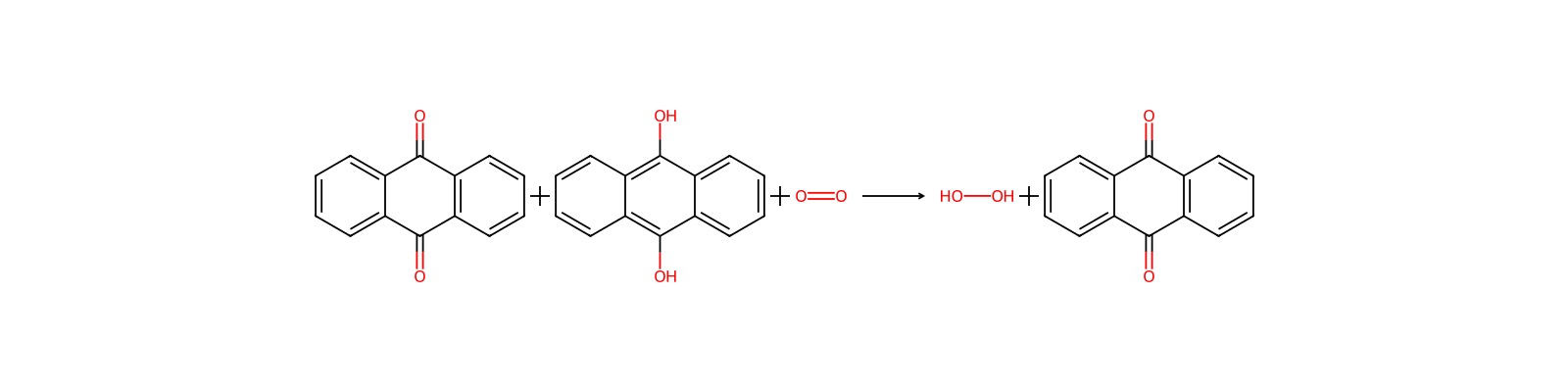
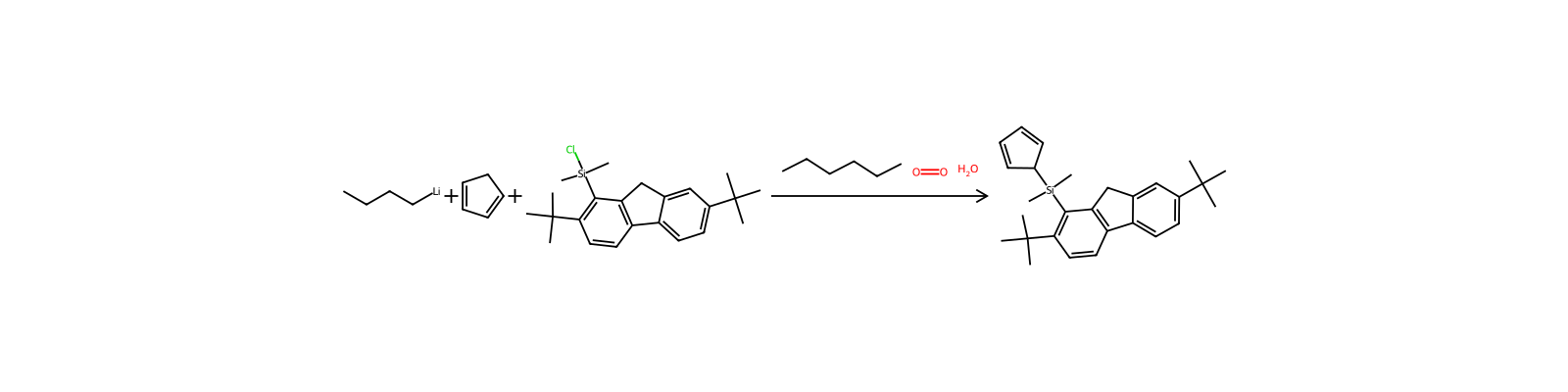
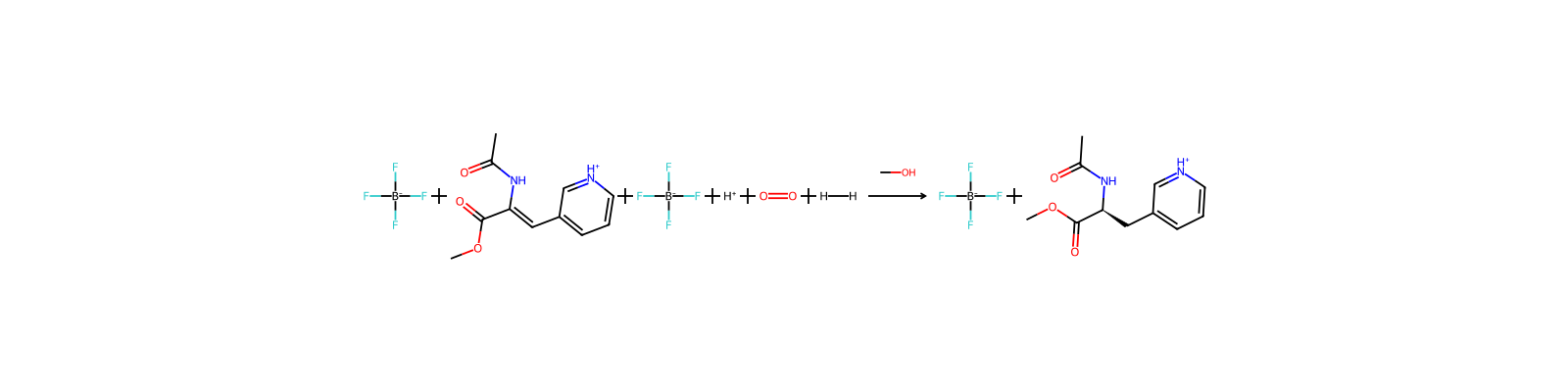
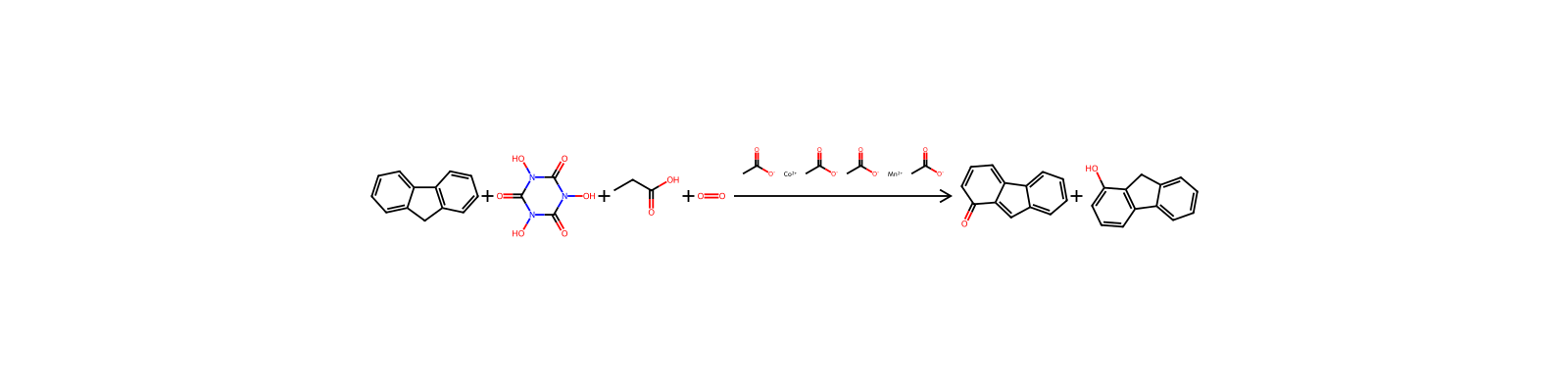
관련 반응
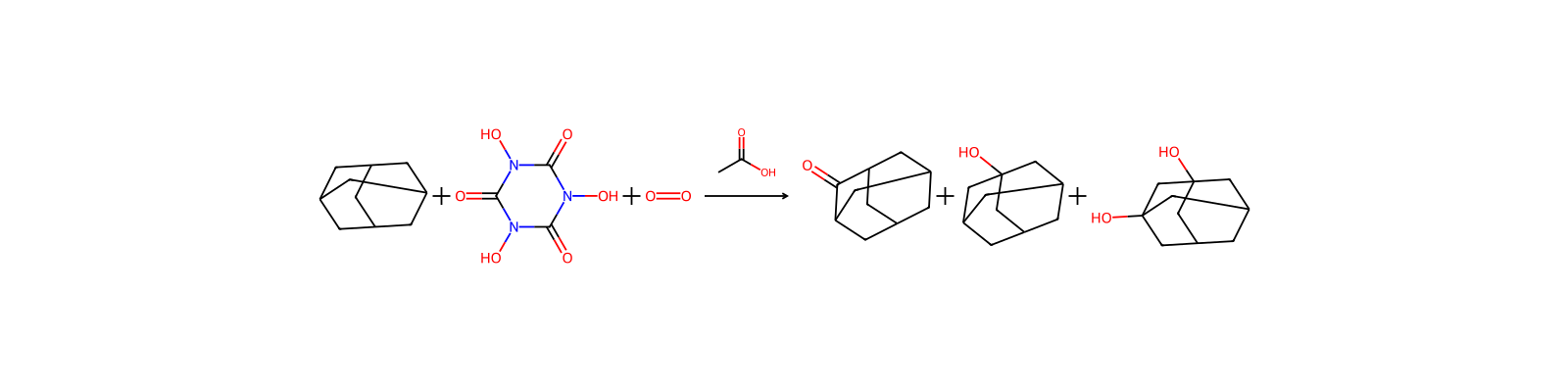
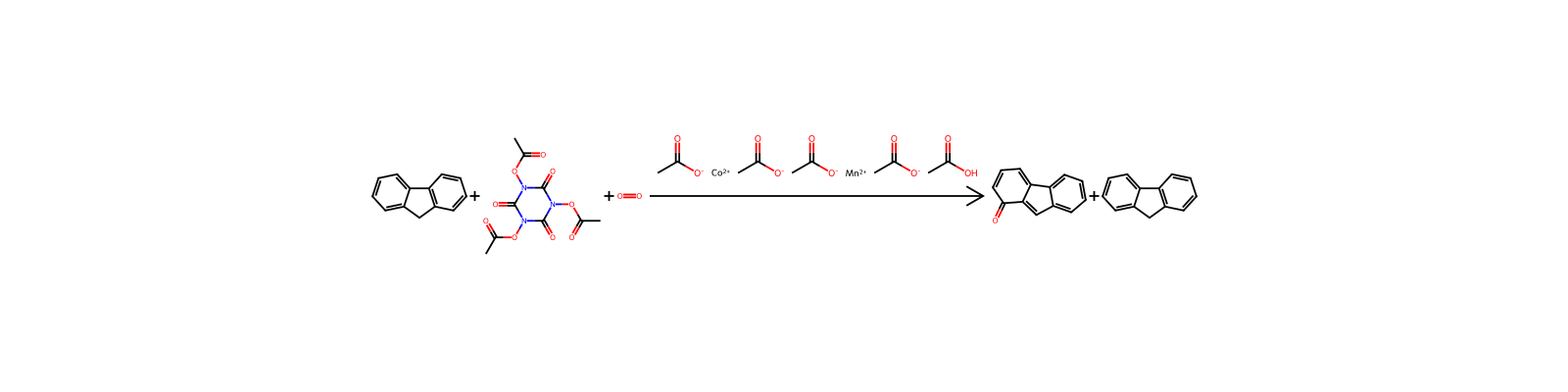
1,539건


연결된 노트
불러오는 중…