홈MCP워크벤치Skills
홈워크벤치알림마이페이지
llms.txt · MCP 가이드개인정보처리방침 · 이용약관 · 지원v1.8.3
  1. 홈
  2. /반응

2,3-Dihydroxybutanedioic Acid → (2S,3S)-2,3-Epoxy-5-phenyl-1-pentanol

HRID 1018817
인쇄

반응식

HRID 1018817 반응식
[C:1](OO)([CH3:4])([CH3:3])[CH3:2].CSC.[C:10](O)(=O)[CH:11]([CH:13](C(O)=O)O)O.[F-].[Na+].[OH-:22].[Na+].[CH2:24]([O:26][CH2:27][CH3:28])[CH3:25]>>[O:26]1[C@@H:27]([CH2:28][CH2:2][C:1]2[CH:4]=[CH:13][CH:11]=[CH:10][CH:3]=2)[C@@H:24]1[CH2:25][OH:22]
참가 물질반응 조건실험 절차후처리출처 및 근거반응 노트

참가 물질

7

반응물 6

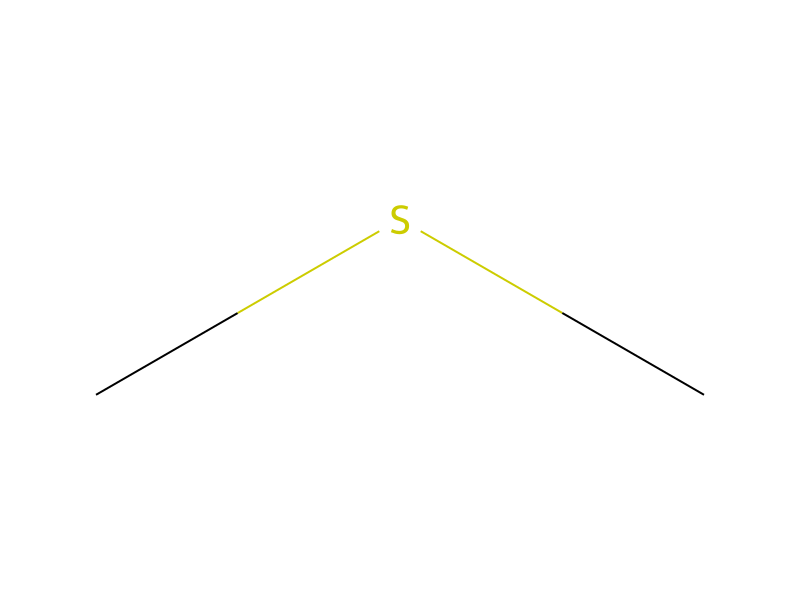
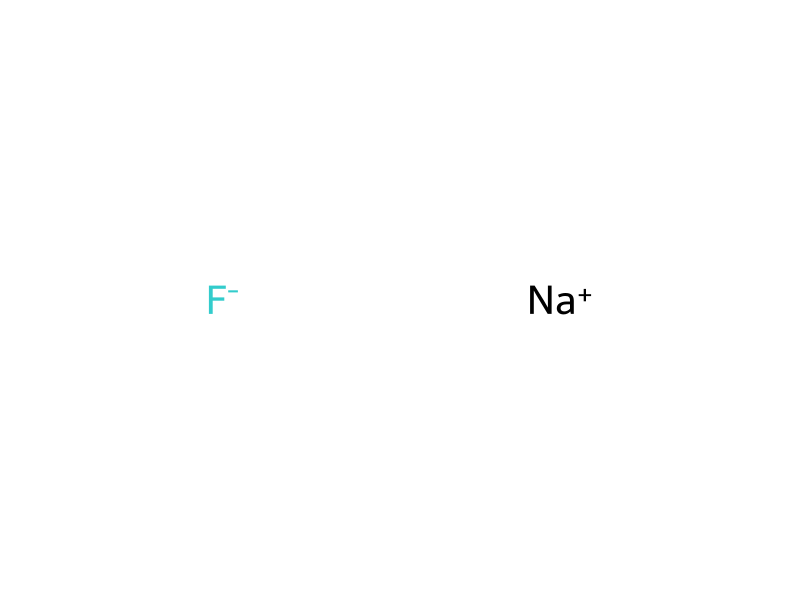
HCID 8752,3-Dihydroxybutanedioic AcidHCID 1068Dimethyl SulfideHCID 3283Diethyl Ether2회HCID 5235Sodium FluorideHCID 6410tert-Butyl hydroperoxideHCID 14798Sodium Hydroxide

생성물 1

HCID 10856043
(2S,3S)-2,3-Epoxy-5-phenyl-1-pentanol

반응 조건

온도
-20 °C

실험 절차

To a mixture of powder Molecular Sieves 4A (8.2 g), titanium tetraisopropoxide (5.1 ml) and methylene chloride (125 ml) was added dropwise diisopropyl L-(+)-tartrate (4.4 ml) under an argon stream at −20° C., followed by stirring under the same conditions for 30 minutes. Then, a methylene chloride solution (41 ml) of the compound obtained in the above (2) (13.9 g) was added and stirred at −20° C. for an hour. The mixture was cooled to −30° C., and tert-butyl hydroperoxide (3.2 M, methylene chloride solution, 48.3 ml) was added dropwise over 30 minutes. After the completion of the addition, stirring was continued at −20° C. for 18 hours, and dimethyl sulfide (14 ml) was added, followed by stirring at the same temperature for 3 hours. Then, an aqueous tartaric acid solution (10%, 9.3 ml) was added, successively followed by stirring at room temperature for an hour, addition of sodium fluoride (60 g), stirring for an hour, addition of Celite (34 g) and diethyl ether (96 ml), and stirring for an hour. Filtration and concentration gave an oily substance (41.9 g), which was then dissolved in diethyl ether (109 ml), and an aqueous sodium hydroxide solution (1N, 60 ml) was added, followed by stirring at room temperature for 1.5 hours. The organic layer was separated, the aqueous layer was extracted with diethyl ether, and the organic layers were combined, washed with a saturated aqueous sodium chloride solution, dried over anhydrous magnesium sulfate and concentrated. The resulting residue was purified by a silica gel column chromatography (developing solvent; hexane:ethyl acetate=1:1) to give (2S,3S)-2,3-epoxy-5-phenyl-1-pentanol (14.2 g).

후처리

  1. additionwas added
  2. temperatureThe mixture was cooled to −30° C.
  3. additionAfter the completion of the addition
  4. stirringstirring
  5. stirringby stirring at the same temperature for 3 hours
  6. stirringby stirring at room temperature for an hour
  7. stirringstirring for an hour
  8. stirringstirring for an hour
  9. filtrationFiltration and concentration
  10. customgave an oily substance (41.9 g), which
  11. stirringby stirring at room temperature for 1.5 hours
  12. customThe organic layer was separated
  13. extractionthe aqueous layer was extracted with diethyl ether
  14. washwashed with a saturated aqueous sodium chloride solution
  15. dry with materialdried over anhydrous magnesium sulfate
  16. concentrationconcentrated
  17. customThe resulting residue was purified by a silica gel column chromatography (developing solvent; hexane:ethyl acetate=1:1)

출처 및 근거

ORD 기록
ord-4d5da0aa9abf4215bb72b35ac144965b
출처 데이터셋
uspto-grants-2002_11
DOI
10.6084/m9.figshare.5104873.v1
특허 번호
US06482990B1

반응 노트

이 페이지에서참가 물질반응 조건실험 절차후처리출처 및 근거반응 노트