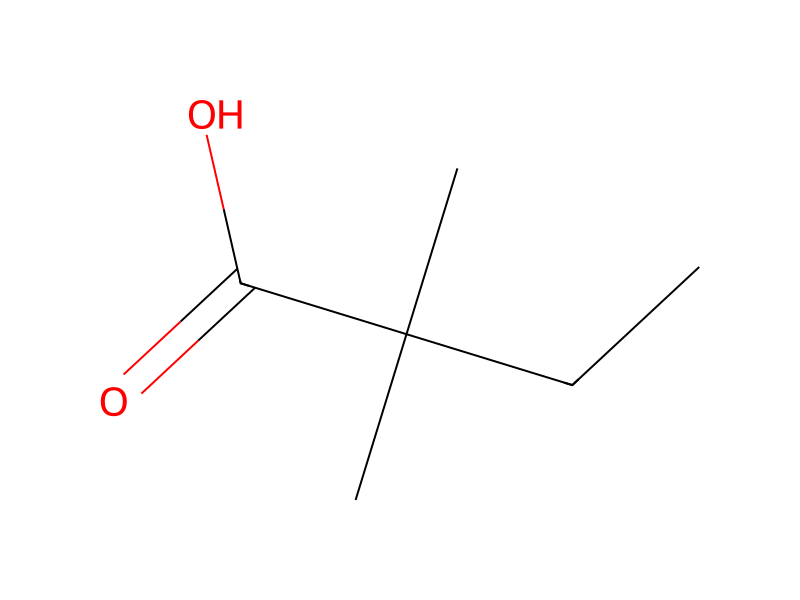
5 mmol of 2,2-dimethylbutyric acid, 5 mmol of triethylamine and 5 mmol of diphenyl phosphorazidate in 30 ml of anhydrous acetonitrile are stirred at 20° C. for 45 minutes and are then brought to reflux for 30 minutes. 6 mmol of 3-(1H-imidazol-4-yl)propanol.HCl are added and are brought to reflux for 40 hours. The mixture is evaporated and the residue dissolved in diethyl ether. The solution is washed successively with 30 ml of 5% aqueous citric acid, 30 ml of H2O and 30 ml of saturated aqueous NaHCO3. The organic layer is evaporated and the residue is purified by rotatory chromatography (eluent: chloroform/methanol (99:1-90:10)). After removal of the solvent under reduced pressure, the residue is crystallized in the form of hydrogen oxalate in diethyl ether and ethanol.