반응식

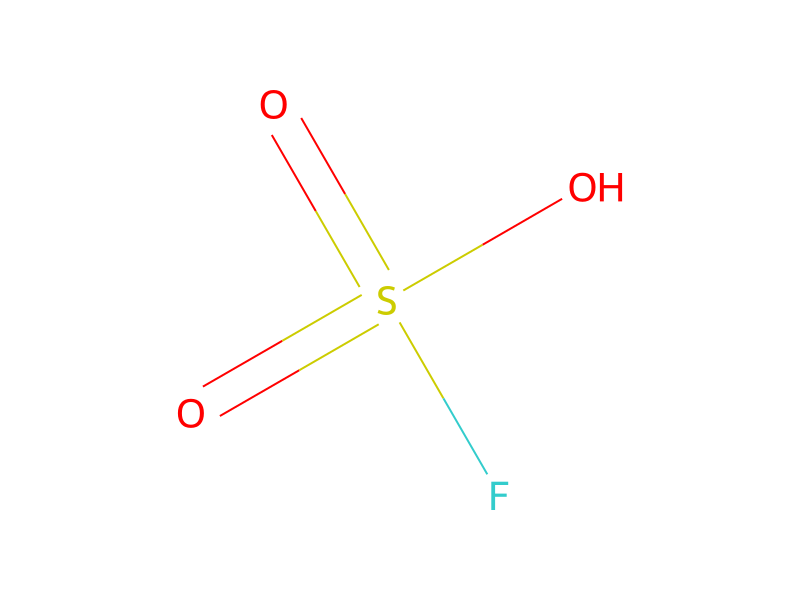
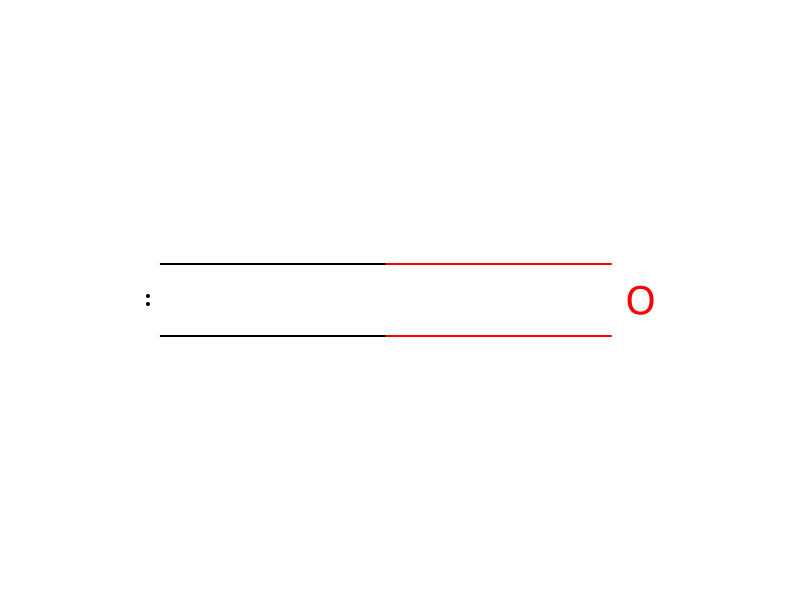
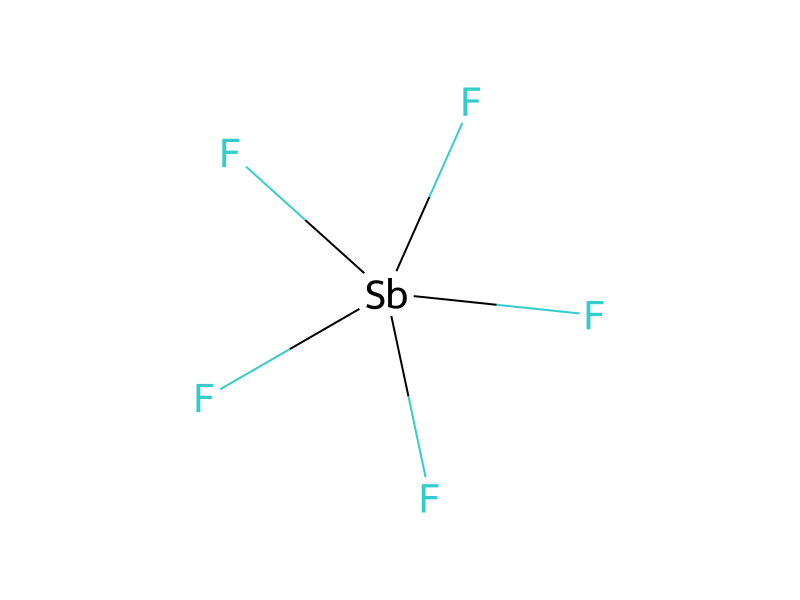
[CH3:1][C:2]1[CH:7]=[C:6]([CH3:8])[CH:5]=[C:4]([CH3:9])[CH:3]=1.[F:10][S:11]([OH:14])(=O)=[O:12].[C]=O.FC(F)(F)[C:19](O)=[O:20]>[Sb](F)(F)(F)(F)F>[CH:19]([C:3]1[C:2]([CH3:1])=[C:7]([S:11]([F:10])(=[O:14])=[O:12])[C:6]([CH3:8])=[CH:5][C:4]=1[CH3:9])=[O:20]참가 물질
6



실험 절차
18.9 ml of 1,3,5-trimethylbenzene was reacted with 20 ml of fluorosulfonic acid and carbon monoxide in the presence of 10 ml of antimony pentafluoride and 10 ml of trifluoroacetic acid as a solvent at 20° C. for 48 hours in substantially the same manner as that of Example 1. The molar ratio of 1,3,5-trimethylbenzene : fluorosulfonic acid : antimony pentafluoride was 1 : 3.5 : 1.4, while the consumption of carbon monoxide was 2.24 λ. The same analyses as those of Example 1 were made to confirm the formation of 6.9 g of 3-formyl-2,4,6-trimethylbenzenesulfonyl fluoride (compound No. 7) in a yield of 30 % based on 1,3,5-trimethylbenzene. mass spectrum: M+ (m/e)=230.
후처리
- customwhile the consumption of carbon monoxide
출처 및 근거
- ORD 기록
- ord-d3735b04fd1241c5b40e775bd602b0f6
- 출처 데이터셋
- uspto-grants-1991_07
- 특허 번호
- US05030752
연결된 노트
불러오는 중…