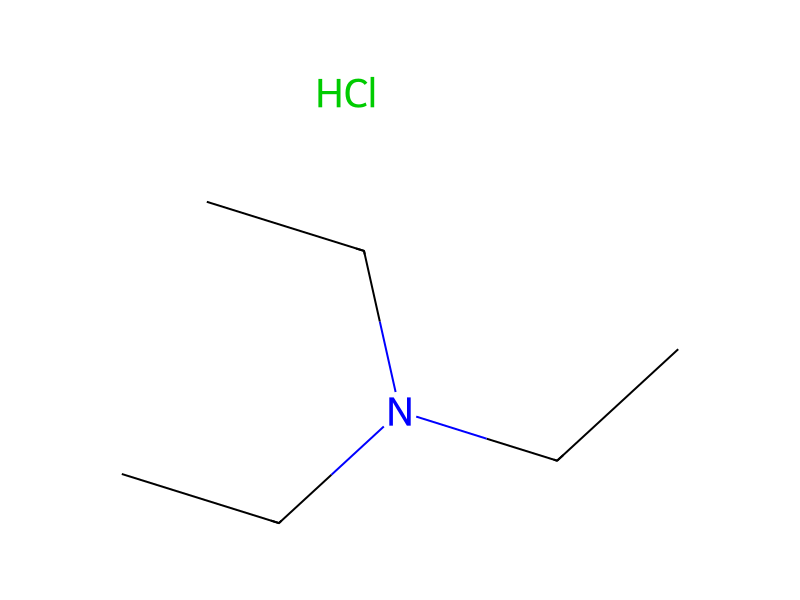
In a 100-mL egg plant-type flask, sodium azide (486 mg, 7.48 mmol) was added to a DMF (10 mL) solution of ethyl 4-cyano-1-cyclopropyl-1H-indole-6-carboxylate (475 mg, 1.87 mmol) and triethylamine hydrochloride (1.03 g, 7.48 mmol), and stirred overnight at 110° C. The reaction solution was diluted with ethyl acetate, made acidic with aqueous hydrochloric acid solution added thereto, and the separated organic layer was washed with water and saturated saline water in that order, dried with sodium sulfate, filtered and concentrated. The crude product was washed with hexane to obtain the title compound as a colorless solid.