홈MCP워크벤치Skills
홈워크벤치알림마이페이지
llms.txt · MCP 가이드개인정보처리방침 · 이용약관 · 지원v1.8.0
  1. 홈
  2. /반응

Piperidine → 7-((R)-3-benzyloxy-2-methylaminopropylamino)-3-(2-trifluoromethylphenyl)-2H-isoquinolin-1-one

HRID 1098305
노트
인쇄 미리보기

반응식

HRID 1098305 반응식
CN([P+](ON1N=[N:19][C:14]2[CH:15]=[CH:16][CH:17]=[CH:18][C:13]1=2)(N(C)C)N(C)C)C.F[P-](F)(F)(F)(F)F.C([N:31]([CH2:35]C)[CH:32]([CH3:34])[CH3:33])(C)C.Cl.CNOC.CN(C(OCC1C2C(=CC=CC=2)C2C1=CC=CC=2)=O)[C@H](C(O)=O)C[O:46][CH2:47][C:48]1[CH:53]=[CH:52][CH:51]=[CH:50][CH:49]=1.[H-].[Li+].[Al+3].[H-].[H-].[H-].[Cl-].[NH4+].NC1C=C2C([CH:87]=[C:88]([C:94]3[CH:99]=[CH:98][CH:97]=[CH:96][C:95]=3[C:100]([F:103])([F:102])[F:101])[NH:89][C:90]2=[O:93])=CC=1.C([BH3-])#N.[Na+].C(=O)(O)[O-].[Na+].N1CCCCC1>ClCCl.C(O)(=O)C>[CH2:47]([O:46][CH2:34][C@H:32]([NH:31][CH3:35])[CH2:33][NH:19][C:14]1[CH:13]=[C:18]2[C:17]([CH:87]=[C:88]([C:94]3[CH:99]=[CH:98][CH:97]=[CH:96][C:95]=3[C:100]([F:101])([F:102])[F:103])[NH:89][C:90]2=[O:93])=[CH:16][CH:15]=1)[C:48]1[CH:53]=[CH:52][CH:51]=[CH:50][CH:49]=1
참가 물질실험 절차후처리출처 및 근거반응 노트

참가 물질

13

반응물 10

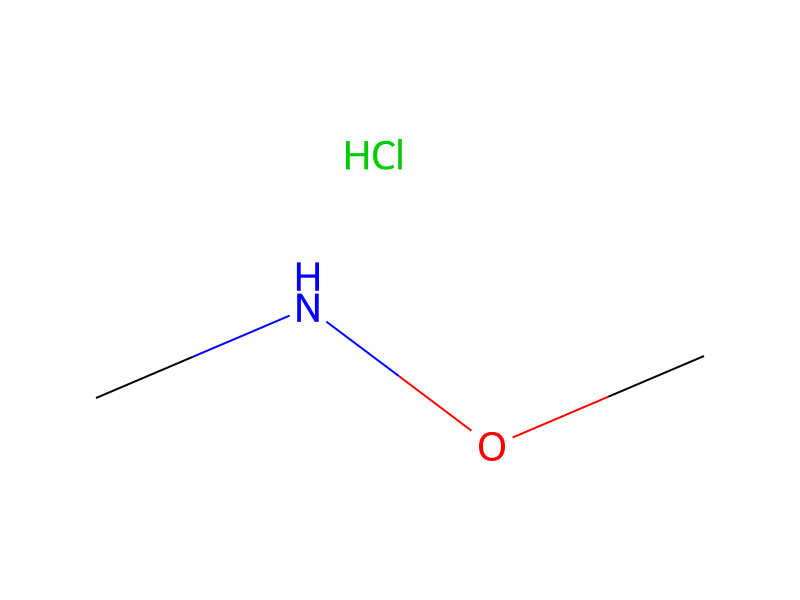
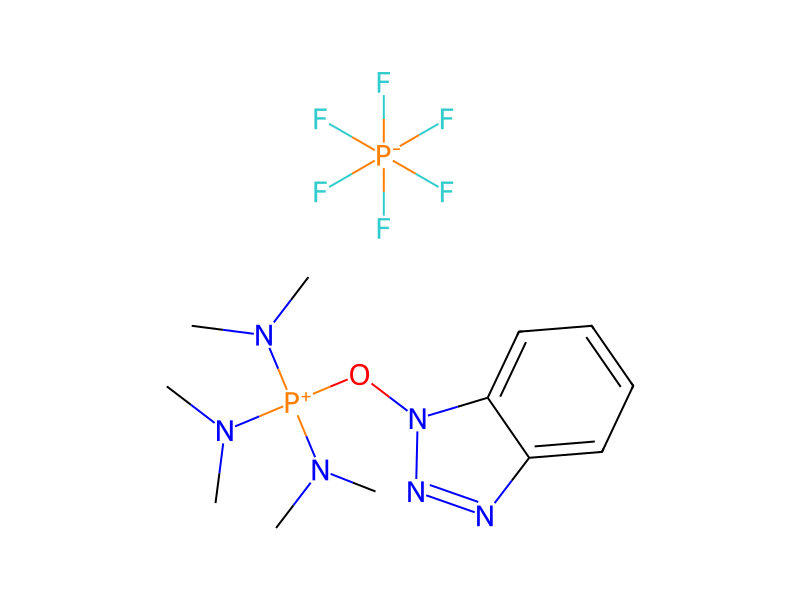
HCID 8082PiperidineHCID 25517Ammonium ChlorideHCID 81138Methanamine, N-methoxy-, hydrochloride (1:1)HCID 81531DiisopropylethylamineHCID 151348Benzotriazol-1-yloxy-tris(dimethylamino)phosphonium hexafluorophosphateHCID 516892Sodium BicarbonateHCID 5003444
Sodium cyanoborohydride
HCID 21226445Aluminium lithium hydride2회
HCID 231567387-amino-3-(2-trifluoromethylphenyl)-2H-isoquinolin-1-one
HCID 44593820Fmoc-MeSer(Bzl)-OH

생성물 1

HCID 595200477-((R)-3-benzyloxy-2-methylaminopropylamino)-3-(2-trifluoromethylphenyl)-2H-isoquinolin-1-one수율 31%

시약·촉매·용매 2

HCID 176Acetic Acid용매HCID 6344Dichloromethane용매2회

실험 절차

1.2 g (2.8 mmol) of a BOP reagent, 0.5 ml (3 mmol) of N,N-diisopropylethylamine, and 273 mg (2.8 mmol) of N,O-dimethylhydroxylamine hydrochloride were added to a dichloromethane solution containing 1 g (2.3 mmol) of Fmoc-Meser(Bzl) —OH. The obtained mixture was stirred at a room temperature over a day and a night. Thereafter, the reaction solution was successively washed with 1 N hydrochloric acid, a saturated sodium bicarbonate aqueous solution, and a saturated saline solution. The resultant was dried over anhydrous sodium sulfate, and the solvent was then distilled away under reduced pressure. The obtained residue was purified by silica gel column chromatography (ethyl acetate:hexane=1:2). 238 mg out of 850 mg of the obtained oily product was added to 2 ml of a THF solution, and the obtained solution was then added dropwise to 8 ml of a THF solution containing 10 mg (0.25 mmol) of aluminum lithium hydride at −78° C. The obtained mixture was stirred at −78° C. for 1.5 hours. Thereafter, 10 mg (0.25 mmol) of aluminum lithium hydride was further added to the reaction solution, and the obtained mixture was then stirred at −78° C. for 30 minutes. Thereafter, a saturated ammonium chloride aqueous solution was added to the reaction solution at −78° C., and the temperature of the mixture was increased to a room temperature. Thereafter, the mixture was filtrated with celite, and the filtrate was then extracted with dichloromethane. The extract was washed with a saturated saline solution, and was dried over anhydrous sodium sulfate, followed by concentration under reduced pressure. The generated oil product was dissolved in 5 ml of methanol without being purified. Thereafter, 100 mg (0.33 mmol) of 7-amino-3-(2-trifluoromethylphenyl)-2H-isoquinolin-1-one and 1 ml of acetic acid were added thereto. Thereafter, 135 mg (2.1 mmol) of sodium cyanoborohydride was added to the mixture under cooling on ice, and the temperature of the obtained mixture was increased to a room temperature, followed by stirring for 3 hours. Thereafter, a saturated sodium bicarbonate aqueous solution was added to the reaction solution, and the mixture was then extracted with dichloromethane. The extract was dried over anhydrous sodium sulfate, and was then concentrated. The obtained residue was purified by silica gel column chromatography (ethyl acetate:hexane=1:2 to 2:1), so as to obtain a yellow foaming substance. This yellow foaming substance was dissolved in 5 ml of dichloromethane, and 1 ml of piperidine was then added to the solution. The obtained mixture was stirred at a room temperature. Four hours later, the reaction solution was concentrated, and 2 ml of 1 N hydrochloric acid and 2 ml of methanol were then added thereto, followed by stirring at 40° C. Six hours later, the reaction solution was neutralized with a 1 N sodium hydroxide aqueous solution under cooling on ice. A saturated sodium bicarbonate aqueous solution was added to the resultant, and the mixture was then extracted with dichloromethane. The extract was dried over anhydrous sodium sulfate, and was then concentrated. The obtained residue was purified by amino TLC used for preparative separation (Fuji Silysia Chemical Ltd., PLCO5; dichloromethane:methanol=20:1), so as to obtain 48 mg (31%) of 7-((R)-3-benzyloxy-2-methylaminopropylamino)-3-(2-trifluoromethylphenyl)-2H-isoquinolin-1-one in the form of a yellow foaming substance, as well as 28 mg (17%) of 7-((R)-4-benzyloxymethyl-3-methylimidazolidin-1-yl)-3-(2-trifluoromethylphenyl)-2H-isoquinolin-1-one in the form of a yellow foaming substance.


후처리

  1. washThereafter, the reaction solution was successively washed with 1 N hydrochloric acid
  2. dry with materialThe resultant was dried over anhydrous sodium sulfate
  3. distillationthe solvent was then distilled away under reduced pressure
  4. customThe obtained residue was purified by silica gel column chromatography (ethyl acetate:hexane=1:2)
  5. addition238 mg out of 850 mg of the obtained oily product was added to 2 ml of a THF solution
  6. additionthe obtained solution was then added dropwise to 8 ml of a THF solution
  7. stirringThe obtained mixture was stirred at −78° C. for 1.5 hours
  8. stirringthe obtained mixture was then stirred at −78° C. for 30 minutes
  9. temperaturethe temperature of the mixture was increased to a room temperature
  10. filtrationThereafter, the mixture was filtrated with celite
  11. extractionthe filtrate was then extracted with dichloromethane
  12. washThe extract was washed with a saturated saline solution
  13. dry with materialwas dried over anhydrous sodium sulfate
  14. concentrationfollowed by concentration under reduced pressure
  15. dissolutionThe generated oil product was dissolved in 5 ml of methanol
  16. customwithout being purified
  17. temperatureunder cooling on ice
  18. temperaturethe temperature of the obtained mixture was increased to a room temperature
  19. stirringby stirring for 3 hours
  20. extractionthe mixture was then extracted with dichloromethane
  21. dry with materialThe extract was dried over anhydrous sodium sulfate
  22. concentrationwas then concentrated
  23. customThe obtained residue was purified by silica gel column chromatography (ethyl acetate:hexane=1:2 to 2:1)
  24. customso as to obtain a yellow foaming substance
  25. stirringThe obtained mixture was stirred at a room temperature
  26. concentrationFour hours later, the reaction solution was concentrated
  27. addition2 ml of 1 N hydrochloric acid and 2 ml of methanol were then added
  28. stirringby stirring at 40° C
  29. customSix hours
  30. temperatureunder cooling on ice
  31. additionA saturated sodium bicarbonate aqueous solution was added to the resultant
  32. extractionthe mixture was then extracted with dichloromethane
  33. dry with materialThe extract was dried over anhydrous sodium sulfate
  34. concentrationwas then concentrated
  35. customThe obtained residue was purified by amino TLC
  36. customused for preparative separation (Fuji Silysia Chemical Ltd., PLCO5; dichloromethane:methanol=20:1)

출처 및 근거

ORD 기록
ord-1e0f299ba98d41afbf6aaf51999bf86c
출처 데이터셋
uspto-grants-2012_03
DOI
10.6084/m9.figshare.5104873.v1
특허 번호
US08143274B2

반응 노트

불러오는 중…

이 페이지에서참가 물질실험 절차후처리출처 및 근거반응 노트