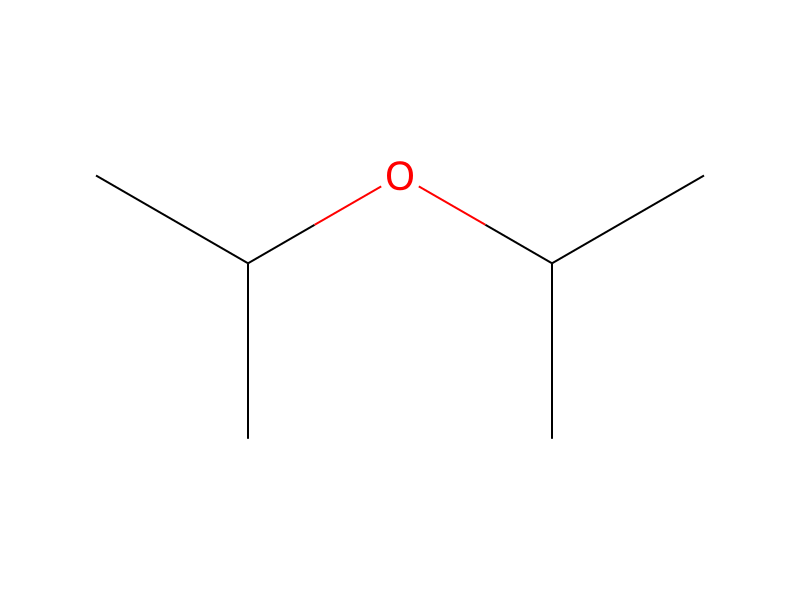
[Br-].[C:2]([N:5]1[CH2:9][CH2:8][CH:7]([P+](C2C=CC=CC=2)(C2C=CC=CC=2)C2C=CC=CC=2)[C:6]1=[O:29])(=[O:4])[NH2:3].[CH2:30]([O:32][C:33]1[CH:34]=[C:35]([CH:38]=[CH:39][C:40]=1[OH:41])[CH:36]=O)[CH3:31].C(N(CC)CC)C.[OH-].[Na+].Cl>C(O)C.C(OC(C)C)(C)C.C(OCC)(=O)C>[C:2]([N:5]1[CH2:9][CH2:8][C:7](=[CH:36][C:35]2[CH:38]=[CH:39][C:40]([OH:41])=[C:33]([O:32][CH2:30][CH3:31])[CH:34]=2)[C:6]1=[O:29])(=[O:4])[NH2:3]To a solution of 939 mg (2 mmol) of (1-carbamoyl-2-oxopyrrolidin-3-yl)triphenylphosphonium bromide in ethanol (16 ml) were added 332 mg (2 mmol) of 3-ethoxy-4-hydroxybenzaldehyde and 558 μl (4 mmol) of triethylamine, and the mixture was stirred at 60° C. for 2 hours. The reaction mixture was evaporated to give a residue, which was dissolved in diisopropyl ether and treated with 4 ml of 1N aq. sodium hydroxide. The aqueous layer was made acid with 1N hydrochloric acid under ice-cooling and the product was dissolved in ethyl acetate, washed with water and saturated brine, dried over magnesium sulfate and evaporated to give a residue, which was crystallized from a dichloromethane/n-hexane mixture to give 143 mg of the objective compound (Ia-19) in 26% yield.