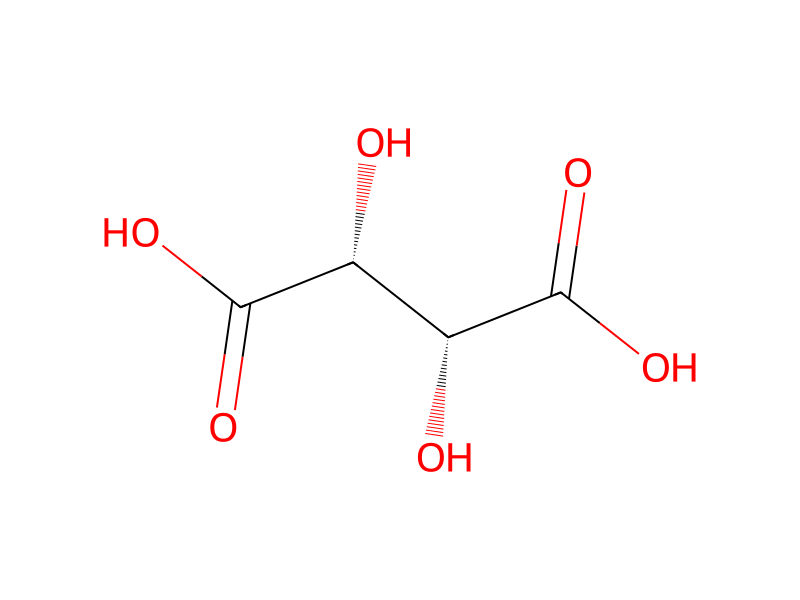
[CH3:1][O:2][C:3]([C:5]1[CH:6]=[C:7]2[C:11](=[CH:12][CH:13]=1)[NH:10][C:9]([CH3:14])=[CH:8]2)=[O:4].[Cl:15][C:16]1[CH:23]=[C:22]([C:24]2[CH:29]=[CH:28][CH:27]=[CH:26][CH:25]=2)[CH:21]=[CH:20][C:17]=1[CH2:18]Br.C(O)(=O)[C@@H]([C@H](C(O)=O)O)O.[OH-].[Na+].[I-].[Na+]>O.O1CCOCC1>[Cl:15][C:16]1[CH:23]=[C:22]([C:24]2[CH:25]=[CH:26][CH:27]=[CH:28][CH:29]=2)[CH:21]=[CH:20][C:17]=1[CH2:18][C:8]1[C:7]2[C:11](=[CH:12][CH:13]=[C:5]([C:3]([O:2][CH3:1])=[O:4])[CH:6]=2)[NH:10][C:9]=1[CH3:14]A mixture of 5-methoxycarbonyl-2-methylindole (0.84 g), 2-chloro-4-phenylbenzyl bromide (2.0 g), L-tartaric acid (1.07 g), sodium hydroxide (0.37 g), sodium iodide (0.53 g), 1,4-dioxane (15 ml) and water (8 ml) is stirred at 90° C. for 4 hours. The reaction mixture is extracted with water and ethyl acetate added thereto, and the organic layer is washed with water, dried and concentrated. The resulting residue is purified through silica gel column chromatography (eluent: ethyl acetate/hexane=¼ to ½), and crystallized from a mixed solution of hexane and ethyl acetate to obtain 3-(2-chloro-4-phenylbenzyl)-5-methoxycarbonyl-2-methylindole (144) (0.965).