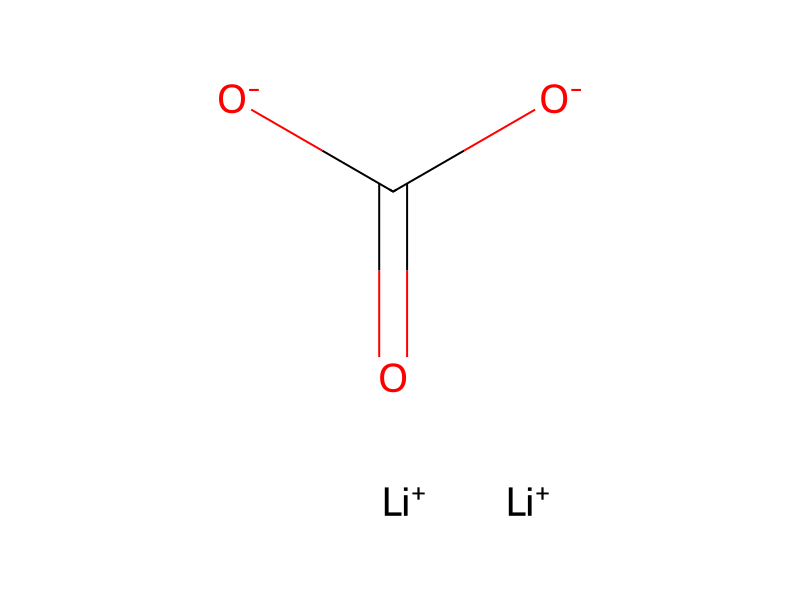
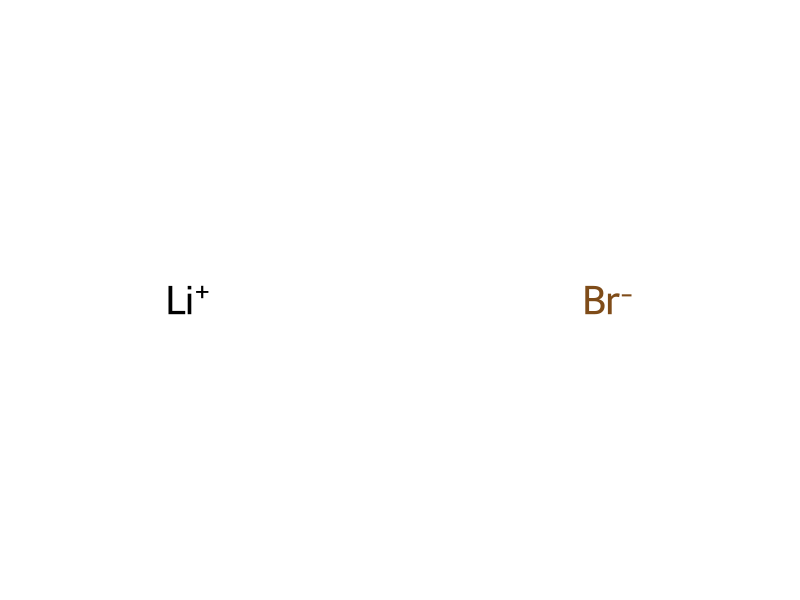
To 1-phenyl-1,2,9,10-tetrahydro[1,4]oxazino[2,3,4-jk]carbazol-7(8H)-one (4.0 g, 13.19 mmol) in ethyl acetate/acetonitrile (30 mL15 mL) is added trifluoroacetic acid (2 mL) and anhydrous cupric chloride (3.56 g, 26.4 mmol). The mixture is heated to reflux at 80° C. for 1.5 h. The mixture is concentrated. The residue is dissolved in ethyl acetate (50 mL) and filtered to remove inorganic solids. The filtrates are washed with saturated potassium carbonate solution followed by water, dried over magnesium sulfate and concentrated. The residue is dissolved in DMF (15 mL) to which is added lithium bromide (2.4 g, 27.7 mmol) and lithium carbonate (2.04 g, 27.7 mmol). The mixture is heated at 120° C. for 4.5 h then partitioned between water and CH2C2 with the organic layer being washed twice with brine (30 mL). Column chromatography (200 g silica gel) using EtOAc/hexanes (20/80) as eluent gave 1.05 g (26%) of 1-phenyl-1,2-dihydro[1,4]oxazino[2,3,4-jk]carbazol-7-ol.