홈MCP워크벤치Skills
홈워크벤치알림마이페이지
llms.txt · MCP 가이드개인정보처리방침 · 이용약관 · 지원v1.8.0
  1. 홈
  2. /반응

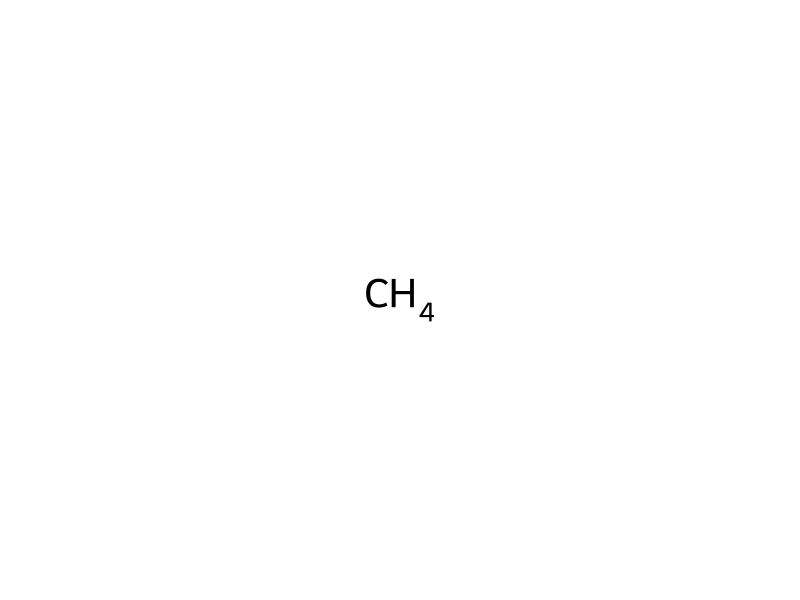
Methane → cis-3,5-Dimethyl-1-{3-nitro-4-[(phenylmethyl)oxy]phenyl}piperazine

HRID 130428
노트
인쇄 미리보기

반응식

HRID 130428 반응식
Br[C:2]1[CH:7]=[CH:6][C:5]([O:8][CH2:9][C:10]2[CH:15]=[CH:14][CH:13]=[CH:12][CH:11]=2)=[C:4]([N+:16]([O-:18])=[O:17])[CH:3]=1.[CH3:19][C@H:20]1[CH2:25][NH:24][CH2:23][C@@H:22]([CH3:26])[NH:21]1.C(=O)([O-])[O-].[Cs+].[Cs+].C1(P(C2C=CC=CC=2)C2C=CC3C(=CC=CC=3)C=2C2C3C(=CC=CC=3)C=CC=2P(C2C=CC=CC=2)C2C=CC=CC=2)C=CC=CC=1.C>O1CCOCC1.C([O-])(=O)C.[Pd+2].C([O-])(=O)C>[CH3:19][C@H:20]1[NH:21][C@@H:22]([CH3:26])[CH2:23][N:24]([C:2]2[CH:7]=[CH:6][C:5]([O:8][CH2:9][C:10]3[CH:15]=[CH:14][CH:13]=[CH:12][CH:11]=3)=[C:4]([N+:16]([O-:18])=[O:17])[CH:3]=2)[CH2:25]1
참가 물질반응 조건실험 절차후처리출처 및 근거반응 노트

참가 물질

8

반응물 5

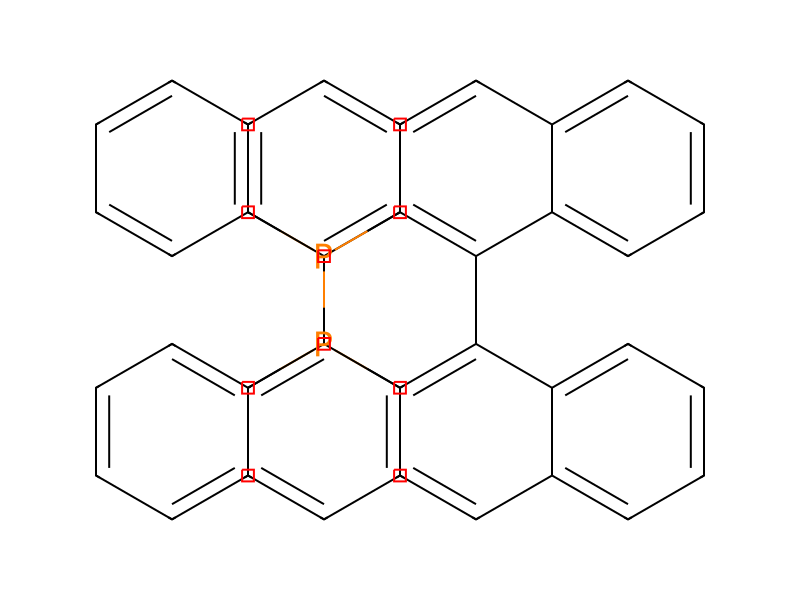
HCID 297MethaneHCID 10796Cesium carbonateHCID 634876Binap, (A+-)-HCID 6950261rel-(2R,6S)-2,6-dimethylpiperazineHCID 112782421-(Benzyloxy)-4-bromo-2-nitrobenzene

생성물 1

HCID 69197192cis-3,5-Dimethyl-1-{3-nitro-4-[(phenylmethyl)oxy]phenyl}piperazine

시약·촉매·용매 2

HCID 167845palladium(II) acetate촉매HCID 312751,4-Dioxane용매

반응 조건

온도
100 °C

실험 절차

To a solution of 4-bromo-2-nitro-1-[(phenylmethyl)oxy]benzene (7.0 g, 22.7 mmol) in dioxane (120 ml) was added cis-2,6-dimethylpiperazine (7.8 g, 67.4 mmol) followed by cesium carbonate (11.0 g, 33.8 mmol), rac-2,2′-bis(diphenylphosphino)-1,1′-binapthyl (2.1 g, 3.4 mmol) and palladium acetate (516 mg, 2.3 mmol). The resulting mixture was heated at 100° C. under an atmosphere of argon overnight. The mixture was allowed to cool, charcoal was added and the mixture stirred at room temperature for 30 minutes. The solids were then removed by filtration through celite and the residue washed with ethyl acetate. The filtrate was then reduced in vacuo and the residue dissolved in 2M aqueous hydrochloric acid and ethyl acetate added. A yellow solid formed that was immiscible in both phases so the mixture was filtered and the solid washed with ethyl acetate. The biphasic filtrate was then separated and the aqueous layer washed with more ethyl acetate. The aqueous was then basified with 0.880 ammonia and the yellow solid collected by filtration added. The resulting basified aqueous solution was then extracted with dichloromethane (×2) and the combined dichloromethane layers dried over anhydrous magnesium sulfate, filtered and reduced in vacuo. The residue was then purified by chromatography on silica gel (gradient 0 to 15% methanol in dichloromethane) to afford the title product. MS (ES+) m/e 342 [M+H]+.

후처리

  1. temperatureto cool
  2. customThe solids were then removed by filtration through celite
  3. washthe residue washed with ethyl acetate
  4. dissolutionthe residue dissolved in 2M aqueous hydrochloric acid
  5. additionethyl acetate added
  6. customA yellow solid formed that
  7. filtrationwas filtered
  8. washthe solid washed with ethyl acetate
  9. customThe biphasic filtrate was then separated
  10. washthe aqueous layer washed with more ethyl acetate
  11. filtrationthe yellow solid collected by filtration
  12. additionadded
  13. extractionThe resulting basified aqueous solution was then extracted with dichloromethane (×2)
  14. dry with materialthe combined dichloromethane layers dried over anhydrous magnesium sulfate
  15. filtrationfiltered
  16. customThe residue was then purified by chromatography on silica gel (gradient 0 to 15% methanol in dichloromethane)

출처 및 근거

ORD 기록
ord-9a581edf7b544b3683c928bf91a67bfa
출처 데이터셋
uspto-grants-2008_06
DOI
10.6084/m9.figshare.5104873.v1
특허 번호
US07381728B2

반응 노트

불러오는 중…

이 페이지에서참가 물질반응 조건실험 절차후처리출처 및 근거반응 노트