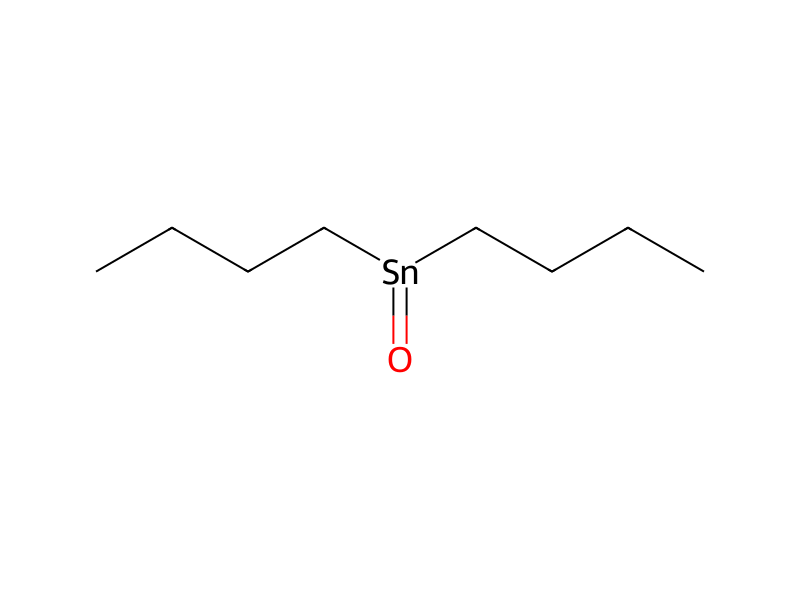
Dibutyltin oxide → HCID 178509305, 화합물
반응식

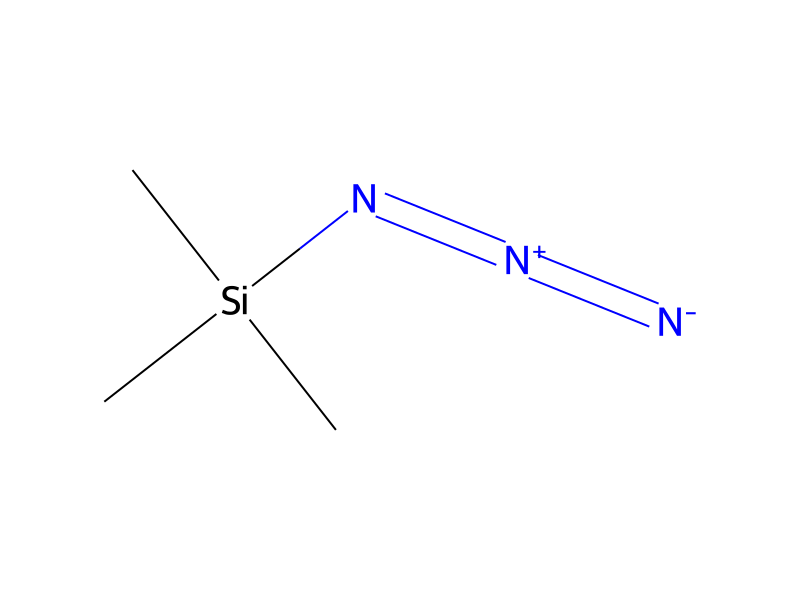
[NH2:1][C:2]1[C:3]([C:7]#[N:8])=[N:4][O:5][N:6]=1.C[Si]([N:13]=[N+:14]=[N-:15])(C)C.C([Sn](=O)CCCC)CCC>C1(C)C=CC=CC=1>[NH:13]1[C:7]([C:3]2[C:2]([NH2:1])=[N:6][O:5][N:4]=2)=[N:8][N:15]=[N:14]1참가 물질
5



실험 절차
To a solution of 4-amino-furazan-3-carbonitrile (0.10 g, 0.90 mmol) and trimethylsilyl azide (0.21 g, 1.82 mmol) in toluene (10 mL) was added dibutyl tin oxide (0.227 g, 0.91 mmol) and the mixture was heated for 20 hours at 130° C. until complete consumption of nitrile was observed by LC-MS. The reaction mixture was allowed to cool to ambient temperature and concentrated in vacuo. The residue was dissolved in methanol and partitioned between ethyl acetate and 10% sodium bicarbonate solution and the organic portion was washed with a further portion of 10% sodium bicarbonate solution. The combined aqueous extracts were acidified to pH 2 with 10% HCl solution and re-extracted into ethyl acetate (2×30 mL). The combined organics were dried over MgSO4, filtered and concentrated in vacuo to yield 4-(1H-tetrazol-5-yl)-furazan-3-ylamine as a white solid (0.122 g, 87%).