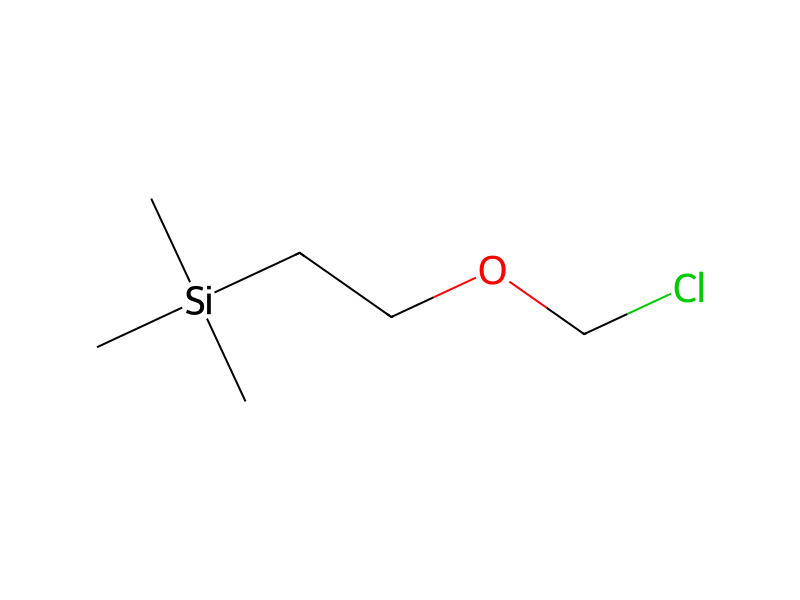
8.00 g of 6-bromo-2-methyl-3H-imidazo[4,5-b]pyridine in 275 ml of tetrahydrofuran is initially introduced in a flask. 1.66 g of sodium hydride (60% in paraffin oil) are added in portions with ice-cooling. 7.00 ml of 2-trimethylsilylethoxy-methyl chloride is subsequently added dropwise at about −30° C., and the mixture is stirred at 25° C. under nitrogen until the pyridine has reacted completely (HPLC check, about 4 hours). The cooled reaction solution is added to about 200 ml of water and extracted three times with EA. The combined organic phases are dried over sodium sulfate and purified by means of column chromatography (gradient heptane: EA 5-100% in 34 min.), giving 5.30 g of 6-bromo-2-methyl-1-(2-trimethylsilanylethoxymethyl)-1H-imidazo[4,5-b]pyridine as white solid (yield 40%, content 99%); MS-FAB (M+H+)=343.1; Rf (polar method): 2.59 min.