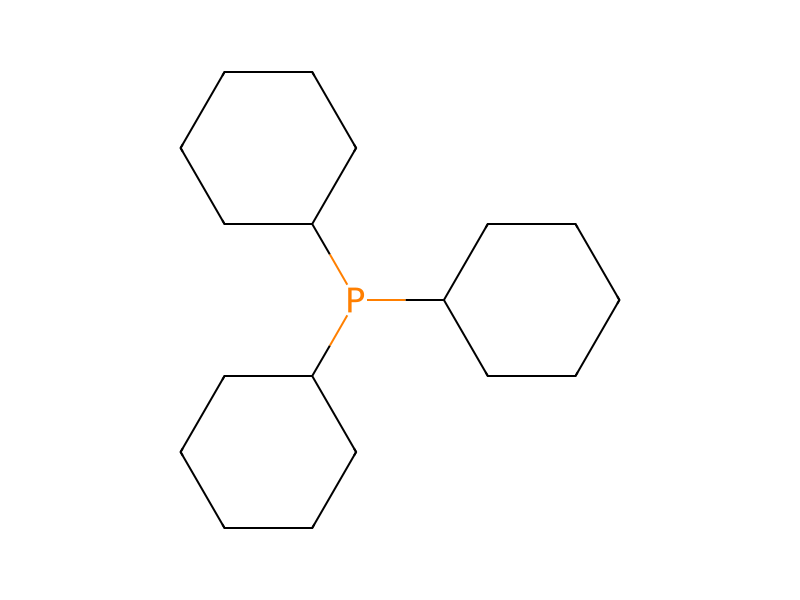
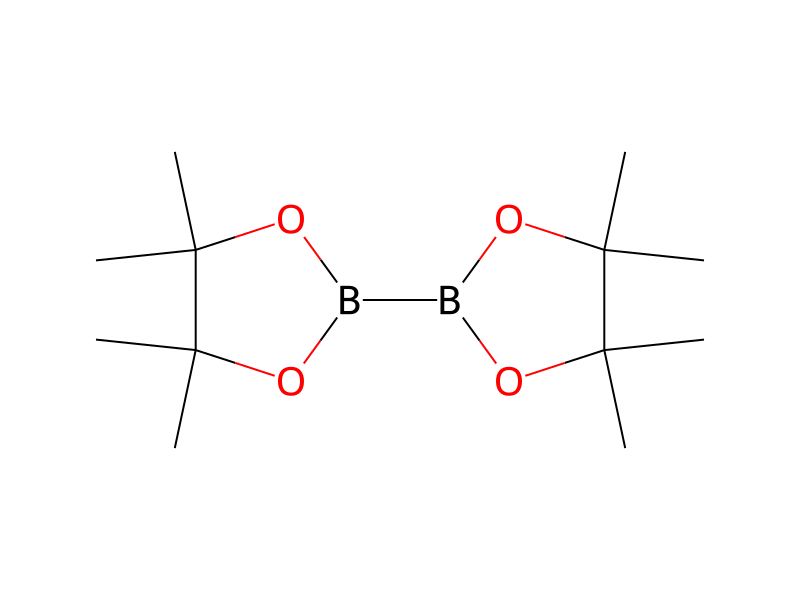
A vial containing the title compound from Example 64 Step B (80 mg, 0.27 mmol), bis(pinacolato)diboron (136 mg, 0.537 mmol), tris(dibenzylideneacetone)dipalladium (0) (49.1 mg, 0.054 mmol), tricyclohexylphosphine (30.1 mg, 0.107 mmol) and potassium acetate (79 mg, 0.805 mmol) in 1,4-dioxane (1.3 mL) was flushed with nitrogen, sealed tightly and heated to 80° C. overnight. The reaction was then cooled to room temperature and passed through a syringe filter. The resulting solution was then concentrated under reduced pressure to afford the title compound which was used without further purification.