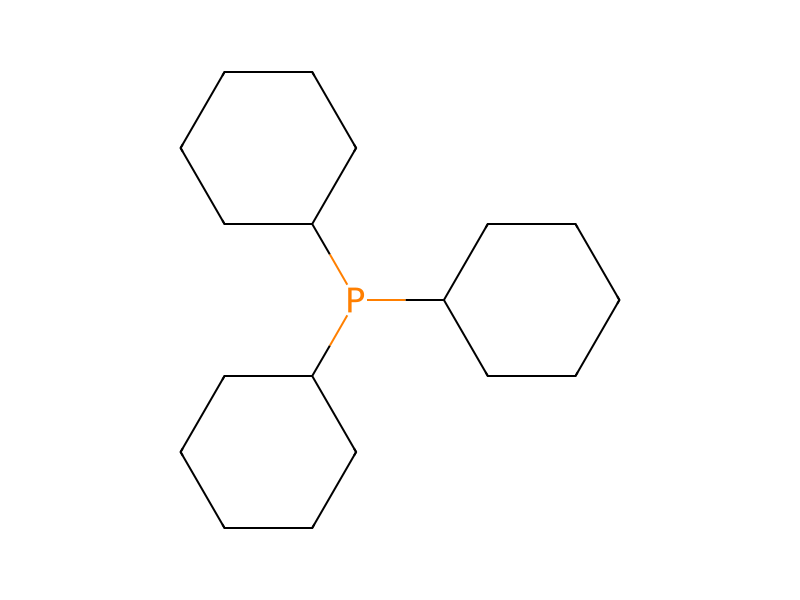
Tricyclohexylphosphine → (5-(1-(Methoxycarbonyl)cyclopropyl)pyridin-3-yl)boronic acid
HRID 1521605
반응식

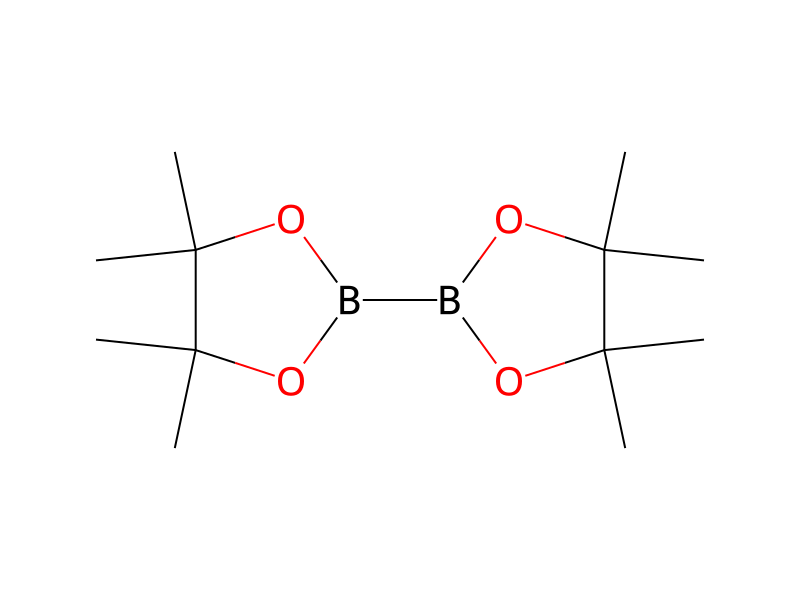
Br[C:2]1[CH:3]=[C:4]([C:8]2([C:11]([O:13][CH3:14])=[O:12])[CH2:10][CH2:9]2)[CH:5]=[N:6][CH:7]=1.[B:15]1(B2OC(C)(C)C(C)(C)O2)[O:19]C(C)(C)C(C)(C)[O:16]1.C1(P(C2CCCCC2)C2CCCCC2)CCCCC1.C([O-])(=O)C.[K+]>C1C=CC(/C=C/C(/C=C/C2C=CC=CC=2)=O)=CC=1.C1C=CC(/C=C/C(/C=C/C2C=CC=CC=2)=O)=CC=1.C1C=CC(/C=C/C(/C=C/C2C=CC=CC=2)=O)=CC=1.[Pd].[Pd].O1CCOCC1>[CH3:14][O:13][C:11]([C:8]1([C:4]2[CH:3]=[C:2]([B:15]([OH:19])[OH:16])[CH:7]=[N:6][CH:5]=2)[CH2:10][CH2:9]1)=[O:12]