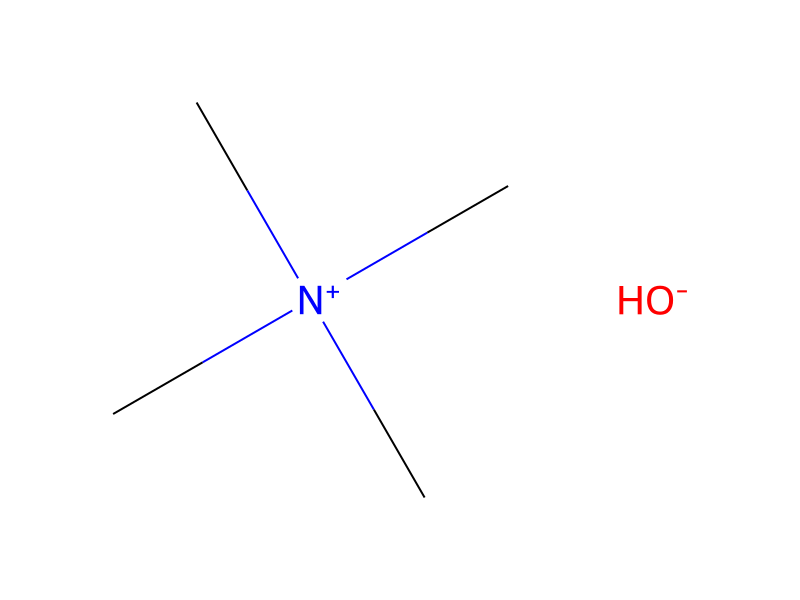
Melt Oligomerization-Reactive Extrusion: A 50 mole percent t-BHQ/BPA copolycarbonate was prepared via melt oligomerization of t-BHQ and BPA with bis(methyl salicyl) carbonate (BMSC) followed by a reactive extrusion process to achieve high molecular weight BHQ/BPA copolycarbonate. A stainless steel tank reactor equipped with stirrers was charged with about 10953 g of BPA, 7975.5 g of t-BHQ, 32187.6 g of BMSC and 252.8 g of p-cumylphenol (PCP) in a molar ratio of BMSC/BPA to t-BHQ of about 1:1.0155. An aqueous catalyst solution of tetramethylammonium hydroxide (1650 microliter (μl), TMAH) and sodium hydroxide (NaOH) were added to the reactor. The reactor was then evacuated and purged with nitrogen three times to remove residual oxygen and then held at a constant vacuum pressure of 800 mbar. The reactor was then heated to 170° C. in order to melt and oligomerize the reactants. After approximately 4 hours and 30 minutes from the start of heating, the reactor was pressurized with nitrogen to a constant overpressure of 1.4 bar, and the molten reaction mixture was fed through a 170° C. heated feed-line into an extruder at a rate of 13.5 kg/h. The extruder employed was a Werner & Pfleiderer ZSK25WLE 25 mm, 13-barrel, twin-screw extruder with a length/diameter ratio (L/D) of 59. The feed inlet communicating with the extruder comprised a flash-valve to prevent boiling of the molten mixture. The extruder was equipped with five forward vacuum vents and one back-vent. The vacuum pressure of the back-vent was about 13 mbar. The vacuum pressure of the first forward vent was about 14 mbar and the vacuum pressure of the final four forward vents was less than about 1 mbar. The methyl salicylate by-product was removed via devolatilization through the vacuum vents. All the extruder barrels were set at a temperature of 300° C. and the extruder die head was set at a temperature of 310° C. The reaction mixture was reactively extruded at a screw speed of 300 rpm.