홈MCP워크벤치Skills
홈워크벤치알림마이페이지
llms.txt · MCP 가이드개인정보처리방침 · 이용약관 · 지원v1.8.0
  1. 홈
  2. /반응

Hydrochloric Acid → HCID 67337559, 화합물

HRID 1671627
노트
인쇄 미리보기

반응식

HRID 1671627 반응식
[CH3:1][C:2]([O:5][C:6]([N:8]1[C@H:12]([C:13]([OH:15])=O)[CH2:11][C@@H:10]([NH:16][C:17]([O:19][CH2:20][CH:21]2[C:33]3[C:28](=[CH:29][CH:30]=[CH:31][CH:32]=3)[C:27]3[C:22]2=[CH:23][CH:24]=[CH:25][CH:26]=3)=[O:18])[CH2:9]1)=[O:7])([CH3:4])[CH3:3].C1(P(Cl)(C2C=CC=CC=2)=O)C=CC=CC=1.CCN(CC)CC.[F:56][C:57]1[CH:58]=[C:59]([Mg]Br)[CH:60]=[CH:61][CH:62]=1.P([O-])([O-])([O-])=O.Cl>C(Cl)Cl.CCOC(C)=O>[CH:27]1[C:22]2[CH:21]([CH2:20][O:19][C:17]([NH:16][C@H:10]3[CH2:9][N:8]([C:6]([O:5][C:2]([CH3:1])([CH3:3])[CH3:4])=[O:7])[C@H:12]([C:13](=[O:15])[C:61]4[CH:60]=[CH:59][CH:58]=[C:57]([F:56])[CH:62]=4)[CH2:11]3)=[O:18])[C:33]3[C:28](=[CH:29][CH:30]=[CH:31][CH:32]=3)[C:23]=2[CH:24]=[CH:25][CH:26]=1
참가 물질반응 조건실험 절차후처리출처 및 근거반응 노트

참가 물질

9

반응물 6

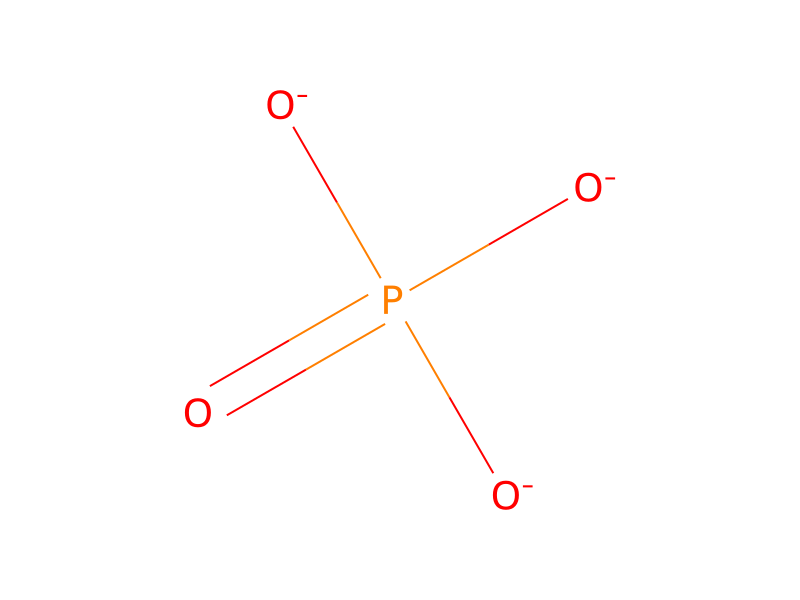
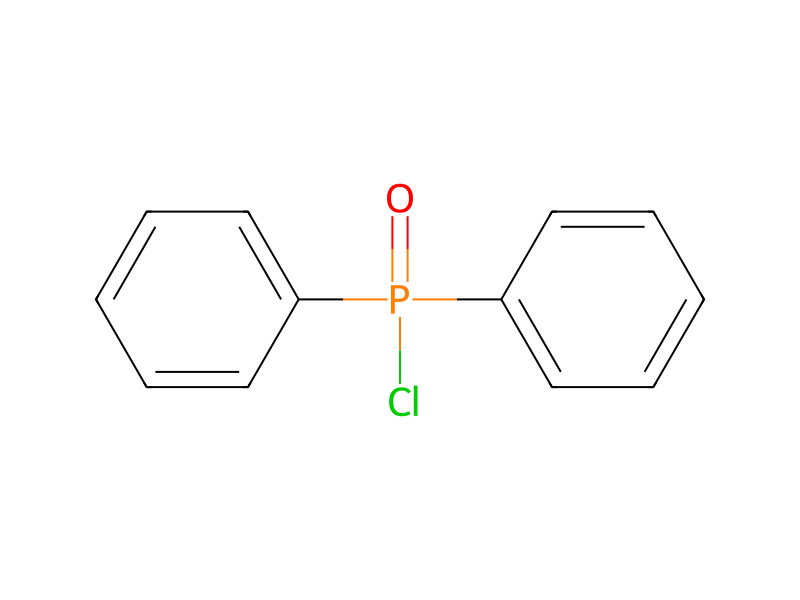
HCID 313Hydrochloric AcidHCID 1061PhosphateHCID 8471TriethylamineHCID 73910Diphenylphosphinic chlorideHCID 2756135(2S,4R)-Fmoc-4-amino-1-Boc-pyrrolidine-2-carboxylic acidHCID 178505773HCID 178505773, 화합물

생성물 1

HCID 67337559
HCID 67337559, 화합물

시약·촉매·용매 2

HCID 6344Dichloromethane용매HCID 8857Ethyl Acetate용매

반응 조건

온도
-78 °C

실험 절차

N-Boc-trans-4-N-Fmoc-amino-L-proline (0.24 g, 0.19 mL, 0.001 mol) in CH2Cl2 (10 mL) was treated with diphenylphosphinic chloride (0.001 mol) at 0° C. in the presence of Et3N (0.10 g, 0.14 mL, 0.001 mol) for 2 h. EtOAc (10 mL) was then added to the mixture, which was then washed successively with H2O (5 mL), saturated NaHCO3 aqueous solution (5 mL), and brine (5 mL), and dried over Na2SO4. The organic layer was concentrated in vacuo, and the resulting residue was dissolved in THF (10 mL). The solution was then cooled to −78° C. 3-Fluorophenylmagnesium bromide solution (1.0 M in THF, 1 mL, 0.001 mol) was added, and the mixture was gradually warmed to room temperature before being poured into a mixture of 0.1 M phosphate buffer (pH=7.2, 5 mL) and 1 M HCl aqueous solution (5 mL) at 0° C. The aqueous layer was extracted with CH2Cl2 (10 mL×3). The combined organic layers were washed successively with saturated aqueous NaHCO3 (10 mL) and brine (10 mL) and dried over Na2SO4. The solvent was evaporated in vacuo, and the residue was purified by column chromatography (silica gel, hexanes:EtOAc=7:3) to afford a white solid (XIII-5, 0.27 g, 50%).


후처리

  1. washwas then washed successively with H2O (5 mL), saturated NaHCO3 aqueous solution (5 mL), and brine (5 mL)
  2. dry with materialdried over Na2SO4
  3. concentrationThe organic layer was concentrated in vacuo
  4. dissolutionthe resulting residue was dissolved in THF (10 mL)
  5. temperaturethe mixture was gradually warmed to room temperature
  6. extractionThe aqueous layer was extracted with CH2Cl2 (10 mL×3)
  7. washThe combined organic layers were washed successively with saturated aqueous NaHCO3 (10 mL) and brine (10 mL)
  8. dry with materialdried over Na2SO4
  9. customThe solvent was evaporated in vacuo
  10. customthe residue was purified by column chromatography (silica gel, hexanes:EtOAc=7:3)
  11. customto afford a white solid (XIII-5, 0.27 g, 50%)

출처 및 근거

ORD 기록
ord-d6a7d999d5a74acd9ddc0cd73cda28ed
출처 데이터셋
uspto-grants-2011_08
DOI
10.6084/m9.figshare.5104873.v1
특허 번호
US07994326B2

반응 노트

불러오는 중…

이 페이지에서참가 물질반응 조건실험 절차후처리출처 및 근거반응 노트