반응식

[CH:1]([NH:4][CH2:5][C:6]([C:8]1[CH:13]=[CH:12][C:11]([O:14][C:15]([CH:17]2[CH2:20][C:19]([CH3:22])([CH3:21])[CH2:18]2)=[O:16])=[C:10]([OH:23])[CH:9]=1)=[O:7])([CH3:3])[CH3:2].C[O-].[Na+].[C:27]1([O-:33])[CH:32]=[CH:31][CH:30]=[CH:29][CH:28]=1.[Na+].C(Cl)(=O)C=CCC=C>>[CH:1]([NH:4][CH2:5][C:6]([C:8]1[CH:13]=[CH:12][C:11]([O:14][C:15]([CH:17]2[CH2:20][C:19]([CH3:21])([CH3:22])[CH2:18]2)=[O:16])=[C:10]([O:23][C:27](=[O:33])[CH:28]=[CH:29][CH2:30][CH:31]=[CH2:32])[CH:9]=1)=[O:7])([CH3:3])[CH3:2]참가 물질
5
반응물 4
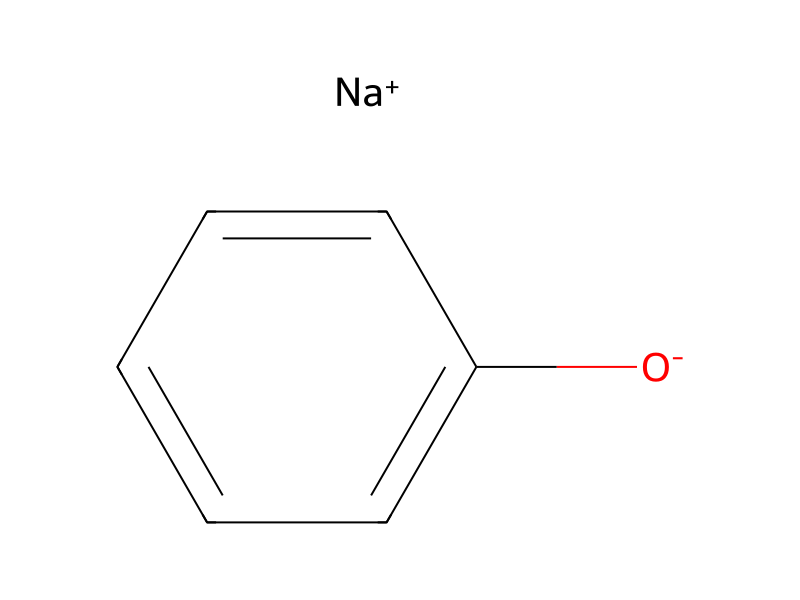



생성물 1

실험 절차
Following a procedure similar to that described in Example 2A above when 3-hydroxy- 4-(3,3-dimethylcyclobutanecarbonyloxy)phenyl isopropylaminomethyl ketone is interacted with one equivalent of sodium methoxide and the resulting sodium phenolate salt is reacted with 2,5-hexadienoyl chloride there is obtained 3-(2,5-hexadienoyloxy)-4-(3,3-dimethylcyclobutanecarbonyloxy)phenyl isopropylaminomethyl ketone which reacts with hydrochloric acid to yield the hydrochloride salt. When this hydrochloride is reduced with sodium borohydride, using a procedure similar to that described above in Example 30C, there is obtained 3-(2,5-hexadienoyloxy)-4-(3,3-dimethylcyclobutanecarbonyloxy)-alpha-(isopropylaminomethyl)benzyl alcohol hydrochloride.
출처 및 근거
- ORD 기록
- ord-b0ee2d0240c64340beef61669fa5b3a7
- 출처 데이터셋
- uspto-grants-1980_03
- 특허 번호
- USRE030241
연결된 노트
불러오는 중…