반응식

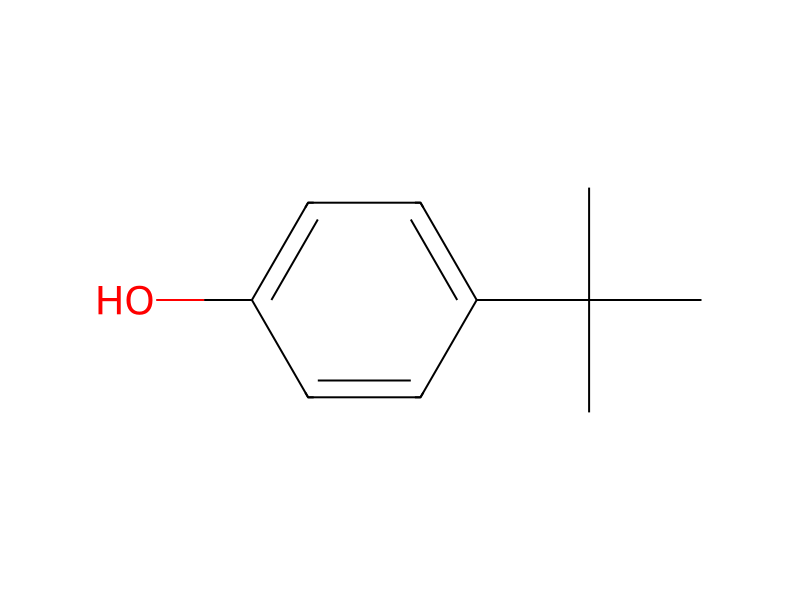
[C:1](Cl)(=[O:8])[C:2]1[CH:7]=[CH:6][CH:5]=[CH:4][CH:3]=1.[Cl:10][C:11]1[S:12][CH:13]=[CH:14][CH:15]=1.[C:16]([C:20]1[CH:25]=[CH:24][C:23]([OH:26])=[CH:22][CH:21]=1)([CH3:19])([CH3:18])[CH3:17]>>[C:1]([C:13]1[S:12][C:11]([Cl:10])=[CH:15][CH:14]=1)(=[O:8])[C:2]1[CH:7]=[CH:6][CH:5]=[CH:4][CH:3]=1.[C:1]([C:13]1[S:12][C:11]([O:26][C:23]2[CH:24]=[CH:25][C:20]([C:16]([CH3:19])([CH3:18])[CH3:17])=[CH:21][CH:22]=2)=[CH:15][CH:14]=1)(=[O:8])[C:2]1[CH:7]=[CH:6][CH:5]=[CH:4][CH:3]=1참가 물질
5




실험 절차
2-benzoyl-5-chlorothiophene was synthesized via Friedel-Crafts acylation of benzoyl chloride with 2-chlorothiophene. This was reacted under standard conditions with 4-t-butyl phenol to produce 2-benzoyl-5-(4-t-butyl-phenoxy)thiophene. It was discovered by thin layer chromatography that the displacement of the acyl chlorine proceeds completely with no side reactions. Complete nucleophilic displacement demonstrates that this reaction meets the requirements necessary for high polymer formation via a step growth reaction.
출처 및 근거
- ORD 기록
- ord-c7ebfff87e6041958baf6f44204345a9
- 출처 데이터셋
- uspto-grants-1994_10
- 특허 번호
- US05354836
연결된 노트
불러오는 중…