Fenpropidin → 1-[3-(4-Tert.butyl-cyclohexyl)-2-methyl-propyl]-piperidine
HRID 1733268
반응식

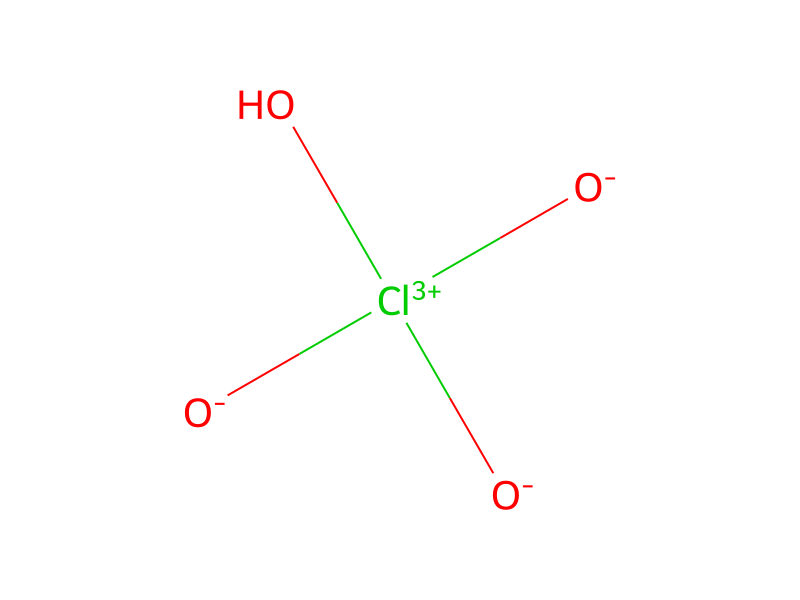
[C:1]([C:5]1[CH:10]=[CH:9][C:8]([CH2:11][CH:12]([CH3:20])[CH2:13][N:14]2[CH2:19][CH2:18][CH2:17][CH2:16][CH2:15]2)=[CH:7][CH:6]=1)([CH3:4])([CH3:3])[CH3:2]>C(O)(=O)C.Cl(O)(=O)(=O)=O.[Pt](=O)=O>[C:1]([CH:5]1[CH2:10][CH2:9][CH:8]([CH2:11][CH:12]([CH3:20])[CH2:13][N:14]2[CH2:15][CH2:16][CH2:17][CH2:18][CH2:19]2)[CH2:7][CH2:6]1)([CH3:4])([CH3:2])[CH3:3]참가 물질
5



실험 절차
7 g of platinum dioxide and 7 g of active carbon are suspended in 500 ml of glacial acetic acid and pre-hydrogenated. Subsequently, a solution of 36.8 g of 1-[3-(p-tert.butyl-phenyl)-2-methyl-propyl]-piperidine in 1000 ml of glacial acetic acid and 67 ml of perchloric acid is added and the mixture is hydrogenated at 25° C. The catalyst is removed by filtration and the filtrate is treated with 110 g of potassium acetate dissolved in 100 ml of water. The precipitated potassium perchlorate is filtered, and the filtrate is evaporated on a rotary evaporator. The crystalline residue is made alkaline with 2-N sodium hydroxide, the free base is extracted with 500 ml of ether, washed neutral with water, dried over sodium sulphate and evaporated. By distillation there is obtained pure 1-[3-(4-tert.butyl-cyclohexyl)-2-methyl-propyl]-piperidine of boiling point 102° C./0.02 Torr.