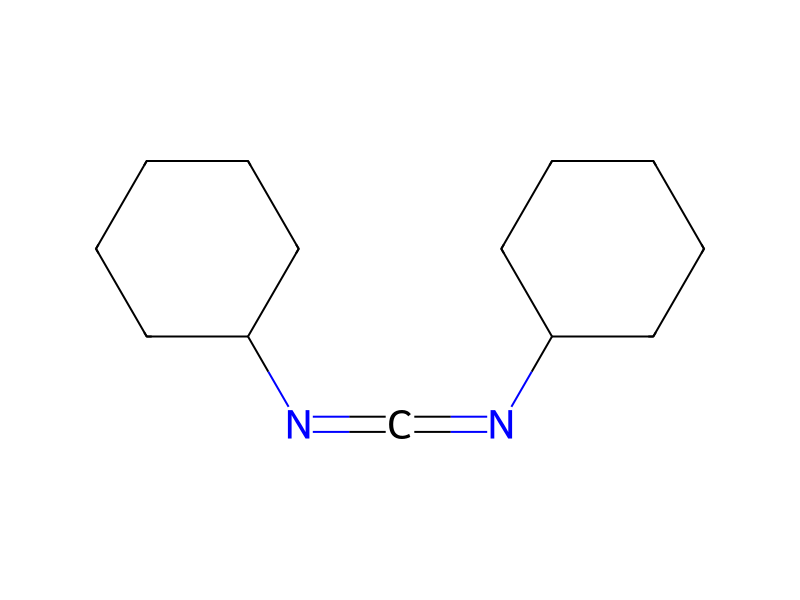
[Br:1][C:2]1[CH:3]=[C:4]2[C:9](=[C:10]([C:12]([OH:14])=[O:13])[CH:11]=1)[O:8][C:7]([CH3:16])([CH3:15])[CH2:6][C:5]2([CH3:18])[CH3:17].[CH2:19](O)[C:20]([CH3:23])([CH3:22])[CH3:21].C1(N=C=NC2CCCCC2)CCCCC1>CN(C)C1C=CN=CC=1.ClCCl>[CH3:19][C:20]([CH3:23])([CH3:22])[CH2:21][O:13][C:12]([C:10]1[CH:11]=[C:2]([Br:1])[CH:3]=[C:4]2[C:9]=1[O:8][C:7]([CH3:16])([CH3:15])[CH2:6][C:5]2([CH3:18])[CH3:17])=[O:14]A stirred cooled (ice bath) solution of 6-bromo-2,2,4,4-tetramethylchroman-8-carboxylic acid (Intermediate 41, 0.5 g, 1.6 mmol), neopentylalcohol (0.35 mL, 3.2 mmol) and 4-(dimethylamino)pyridine (0.03 g, 0.24 mmol) in anhydrous dichloromethane (5 mL) was treated with 1,3-dicyclohexylcarbodiimide (0.36 g, 1.76 mmol) and the reaction mixture was allowed to warm to ambient temperature. After 2 h, the reaction mixture was filtered, the filtrate was diluted with ethyl acetate and washed with 2N hydrochloric acid, 2N sodium hydroxide, and brine, dried over anhydrous magnesium sulfate, filtered and evaporated in vacuo to afford the title product as a yellow solid (0.537 g, 88%).