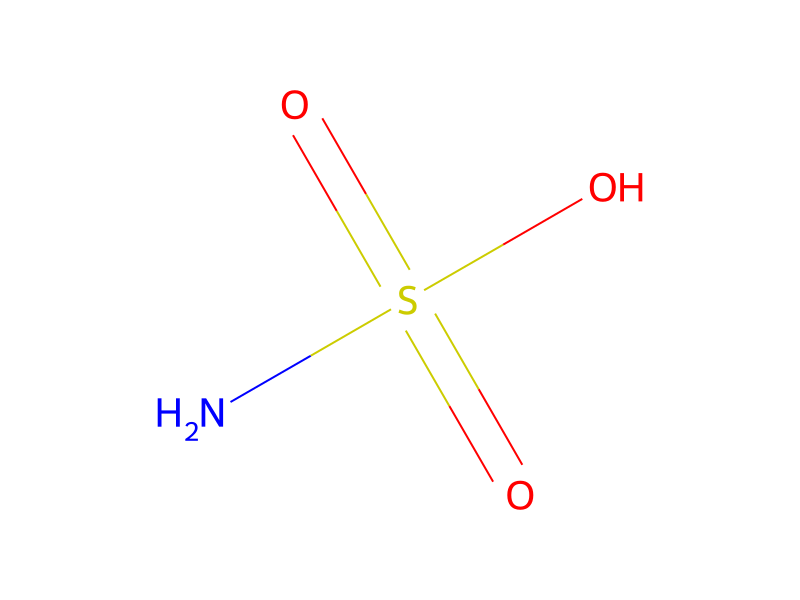
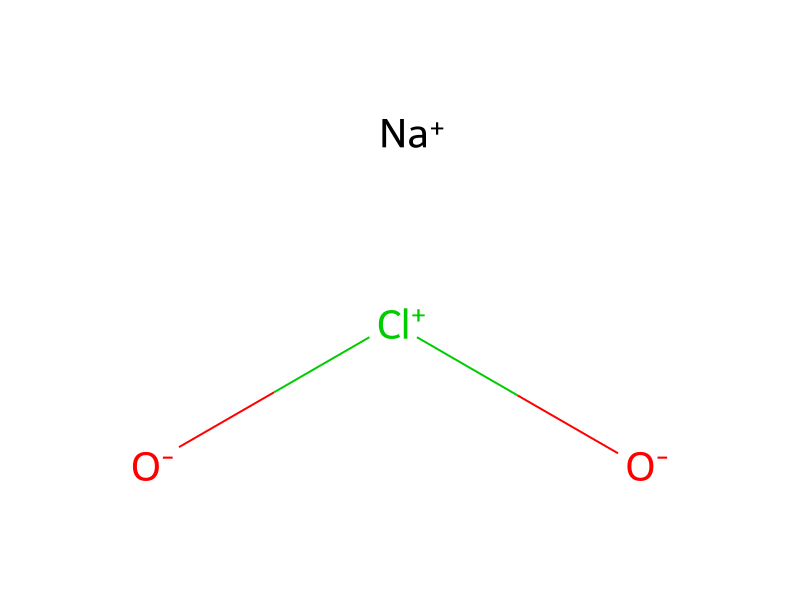
To a solution of 2-chloro-thieno[3,2-d]pyrimidine-7-carbaldehyde (0.6 g) in a mixture of tert-butanol/tertrahydrofuran/water (1/1/1, 45 mL) was added sulfamic acid (1.0 g) followed by a solution of sodium chlorite (0.9 g) and potassium dihydrogen phosphate (3.0 g) in water (10 mL) and the resulting mixture was stirred for 1 hour. The reaction mixture was then diluted with ethyl acetate; the organic layer was separated and washed with brine, dried over anhydrous sodium sulfate, filtered and evaporated under reduced pressure. The residue was triturated with ethyl acetate and the solid was collected by filtration to give 0.5 g of 2-chloro-thieno[3,2-d]pyrimidine-7-carboxylic acid.