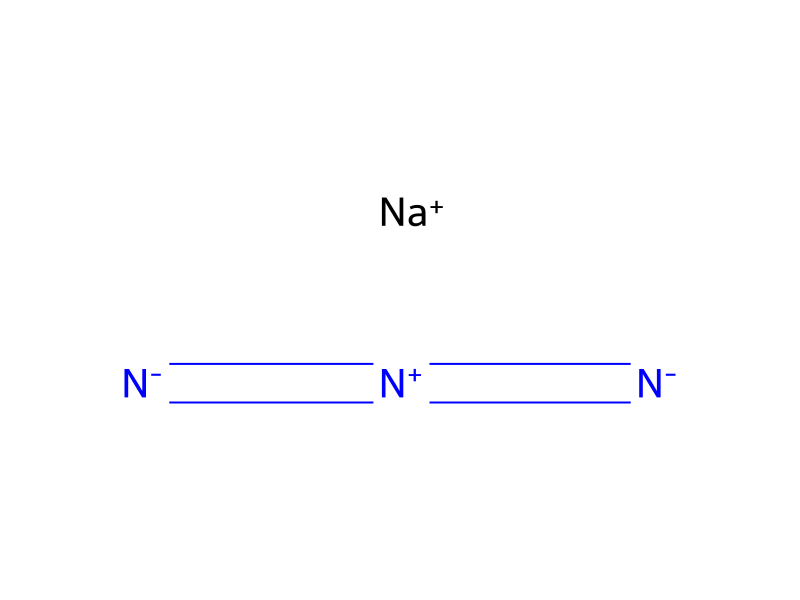
[Cl-].[Al+3].[Cl-].[Cl-].[N-:5]=[N+:6]=[N-:7].[Na+].[C:9]1([C:15]([C:25]2[CH:30]=[CH:29][C:28]([CH:31]=[CH:32][C:33]#[N:34])=[CH:27][CH:26]=2)=[C:16]([C:19]2[CH:24]=[CH:23][CH:22]=[CH:21][CH:20]=2)[CH2:17][CH3:18])[CH:14]=[CH:13][CH:12]=[CH:11][CH:10]=1>C1COCC1.Cl>[C:9]1([C:15]([C:25]2[CH:30]=[CH:29][C:28]([CH:31]=[CH:32][C:33]3[NH:34][N:7]=[N:6][N:5]=3)=[CH:27][CH:26]=2)=[C:16]([C:19]2[CH:24]=[CH:23][CH:22]=[CH:21][CH:20]=2)[CH2:17][CH3:18])[CH:10]=[CH:11][CH:12]=[CH:13][CH:14]=1To a solution of aluminum chloride (1.82 g, 13.5 mmol) in THF (20 mL) at 0° C. was added sodium azide (1.77 g, 27 mmol) and then nitrile (4b) (888 mg, 2.65 mmol). The mixture was stirred 10 min and heated to reflux. After refluxing overnight, the mixture was diluted with 1N HCl, and extracted with EtOAc. The combined organic layers were washed with water, brine and then dried (MgSO4). The solvent was removed under reduced pressure and the residue chromatographed (silica gel, 10–20% methanol/CH2Cl2) to give tetrazole (4c) as a white solid (700 mg, 70%): 1H NMR (CDCl3) δ 7.63 (d, J=16.5 Hz, 1H), 7.39–7.11 (m, 12H), 6.98 (d, J=16.5 Hz, 1H), 6.91 (d, J=8.4 Hz, 2H), 2.48 (q, J=7.3 Hz, 2H), 0.94 (t, J=7.3 Hz, 3H); ESI m/z: 377 (M−H−, 100%).