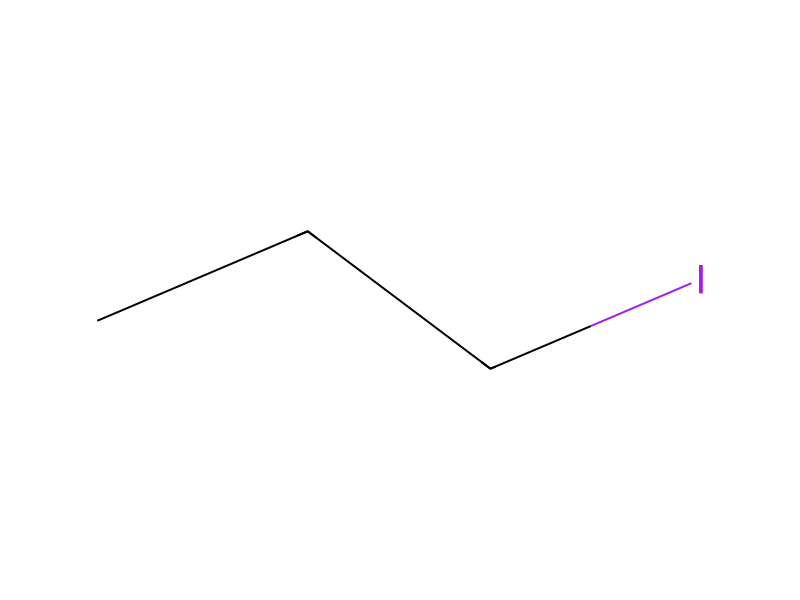
Under argon, 937 mg (4.00 mmol) of ethyl 5-nitro-1H-indole-2-carboxylate (A. Guy, J. -P. Guetté, Synthesis 1980, 222–223) are initially charged in 12 ml of dimethyl sulphoxide. 4.40 mmol of sodium hydride (176 mg of a 60% dispersion in paraffin) are added a little at a time, and the mixture is stirred at 50° C. for 30 min. After cooling to RT, 170 mg (4.40 mmol) of propyl iodide are added, and the mixture is stirred at RT for another 3 h. The reaction mixture is poured into 30 ml of water and extracted with ethyl acetate (6×30 ml). The combined organic phases are washed with 50 ml of sat. sodium chloride sol., dried over sodium sulphate and freed from the solvent using a rotary evaporator. The resulting brown crude product is purified by column chromatography (silica gel 60, mobile phase gradient cyclohexane→cyclohexane-ethyl acetate 3:1), giving the product as second fraction.