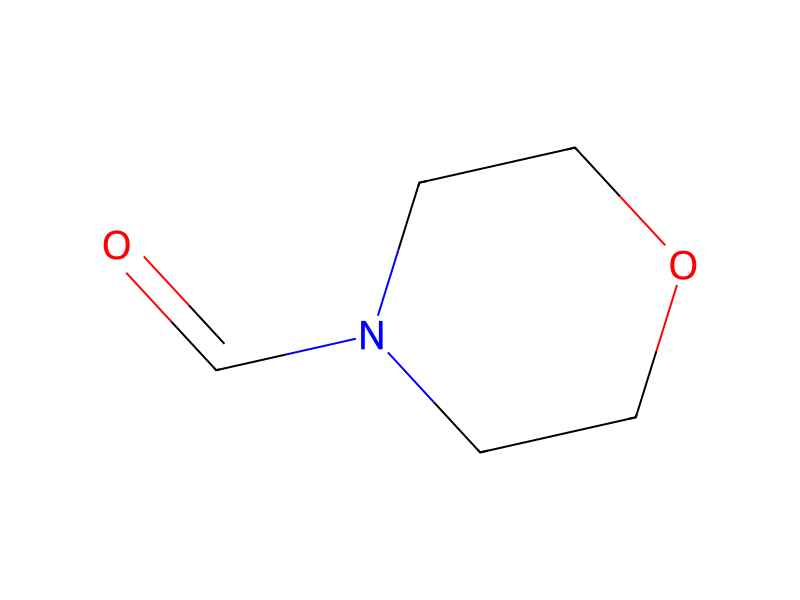
6.0 ml (35.3 mmol) of TMP are initially introduced at −20° C. in 30 ml of THF, and 21.5 ml (34.2 mmol, 15% soln. in hexane) of n-BuLi are metered in. After 30 min at this temperature, a solution of 11.8 g (34.0 mmol) of 2-(4′-ethyl-2,3-difluorobiphenyl-4-yl)selenophene in 70 ml of THF is added. When the addition is complete, the batch is warmed to RT and left at this temperature for 90 min. The solution is cooled to −60° C., and 3.6 ml (36.0 mmol) of N-formylmorpholine are added. The reaction mixture is warmed to RT and stirred for 2 h. The solution is diluted with a lot of dichloromethane, and 2 N hydrochloric acid is added. The mixture is washed with water, and the organic phase is separated off. The aqueous phase is extracted with dichloromethane, and the combined organic phases are washed with sat. sodium chloride soln. The solution is dried using sodium sulfate and concentrated to dryness. The residue is recrystallised from toluene. 5-(4′-Ethyl-2,3-difluorobiphenyl-4-yl)selenophene-2-carbaldehyde is obtained as a brown solid.