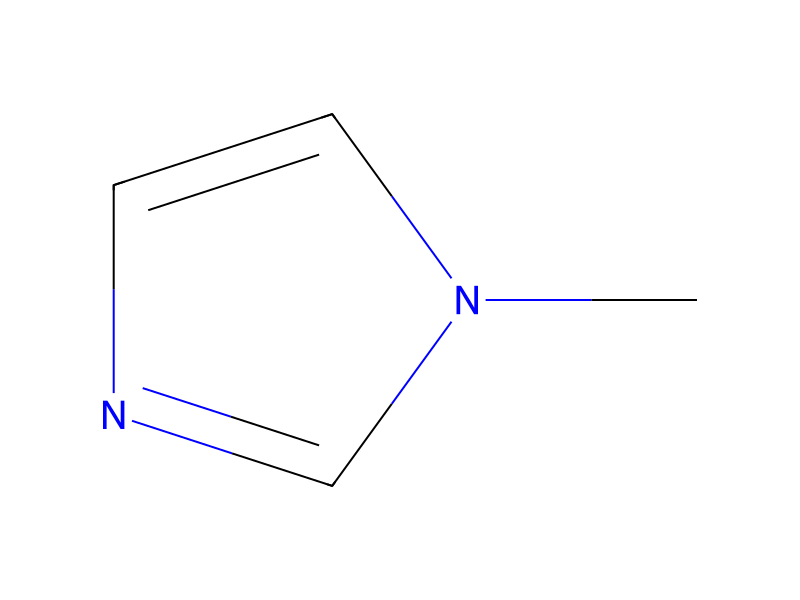
C([O-])([O-])=O.[K+].[K+].[C:7]1([OH:13])[CH:12]=[CH:11][CH:10]=[CH:9][CH:8]=1.Br[C:15]1[CH:21]=[C:20]([CH:22]([CH3:24])[CH3:23])[C:18]([NH2:19])=[C:17]([CH:25]([CH3:27])[CH3:26])[CH:16]=1.CN1C=CN=C1>Cl[Cu].C(OCC)C.O.C1(C)C=CC=CC=1.CC1C=CC=CC=1C>[CH:22]([C:20]1[CH:21]=[C:15]([O:13][C:7]2[CH:12]=[CH:11][CH:10]=[CH:9][CH:8]=2)[CH:16]=[C:17]([CH:25]([CH3:27])[CH3:26])[C:18]=1[NH2:19])([CH3:24])[CH3:23]To 32.4 g (0.234 mol) K2CO3, 0.58 g (5.8 mmol) CuCl, 13.2 g (0.14 mol) phenol, and 30 g (0.117 mol) 4-bromo-2,6-di-iso-propylaniline 2 in a 250 mL three-necked bulb with argon inlet, reflux condenser and stopper 4.7 mL (58 mmol) 1-methylimidazole and 100 mL o-xylene were added under argon atmosphere. The mixture was stirred and heated to 140° C., until thin layer chromatography (eluent toluene) showed no residual starting material 4-bromo-2,6-di-iso-propylaniline (ca. 30 h). After cooling, water and diethyl ether were added, the organic phase was washed with 10% K2CO3 solution, water and brine and dried over Na2SO4. After evaporation of the solvents, an aliquot part of the dark oily material was filtered through a short silica gel plug with toluene as solvent to give, after removal of the solvent and drying in vacuum, a dark solid. The purity is determined to 95% by gc, The calculated yield is 99%