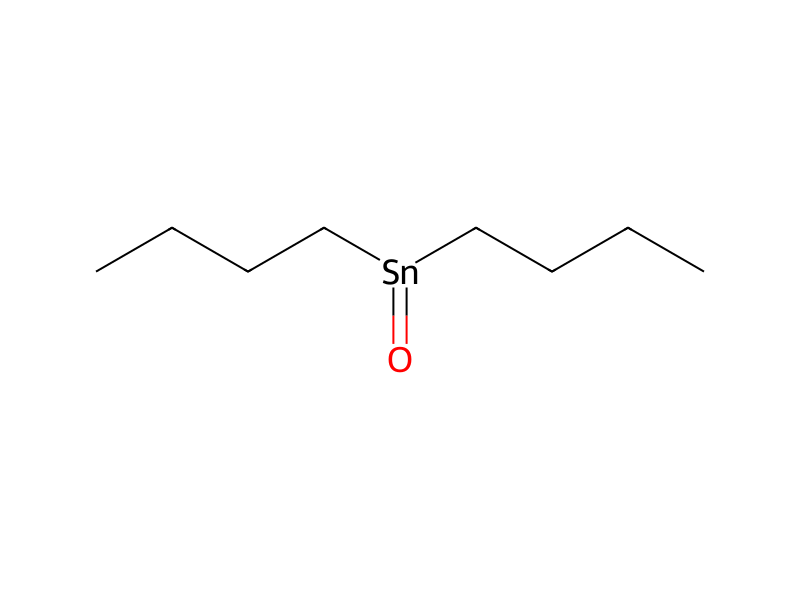
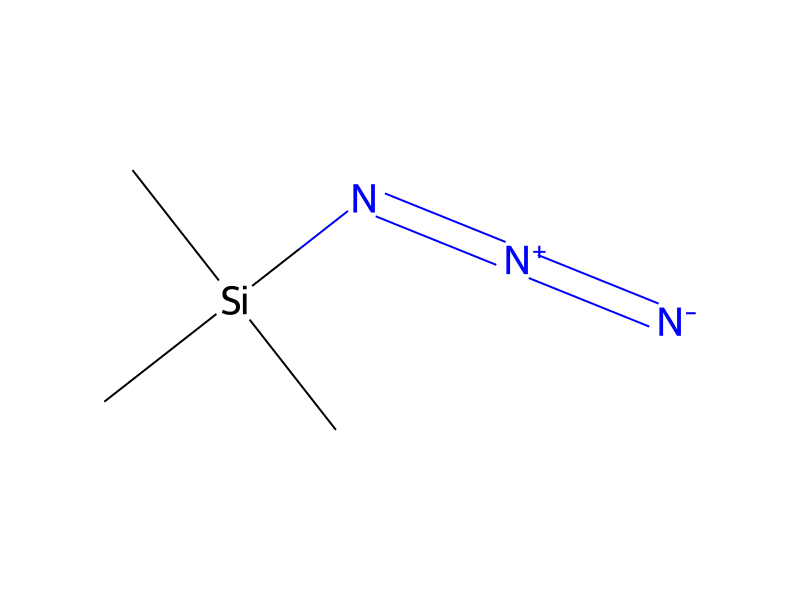
[F:1][C:2]1[CH:19]=[CH:18][CH:17]=[CH:16][C:3]=1[CH2:4][C:5]1[N:9]2[CH:10]=[CH:11][CH:12]=[CH:13][C:8]2=[C:7]([C:14]#[N:15])[N:6]=1.C([Sn](=O)CCCC)CCC.C[Si]([N:34]=[N+:35]=[N-:36])(C)C.C(O)C>C1(C)C=CC=CC=1>[F:1][C:2]1[CH:19]=[CH:18][CH:17]=[CH:16][C:3]=1[CH2:4][C:5]1[N:9]2[CH:10]=[CH:11][CH:12]=[CH:13][C:8]2=[C:7]([C:14]2[NH:36][N:35]=[N:34][N:15]=2)[N:6]=1A solution of 188 mg (0.75 mmol) of 3-(2-fluorobenzyl)imidazo[1,5-a]pyridine-1-carbonitrile from example 18A, 18.6 mg (0.075 mmol) of dibutyltin oxide and 172 mg (1.50 mmol) of trimethylsilyl azide in 5 ml of toluene is heated under reflux for 20 h. Cooling is followed by addition of 5 ml of ethanol and stirring at RT for 15 h. The mixture is then concentrated, mixed with water and extracted with ethyl acetate. The organic phase is concentrated in vacuo, and the residue is purified by preparative HPLC. The product is taken up in ethyl acetate and clarified with activated carbon. The solid obtained after concentration is crystallized from dichloromethane. 40 mg (18% of theory) of the title compound are obtained as pale reddish crystals.