반응식

[CH2:1]1[C:10]2[C:5](=[CH:6][CH:7]=[CH:8][CH:9]=2)[CH2:4][CH2:3][NH:2]1.C(Cl)Cl.S(OOS([O-])(=O)=O)([O-])(=O)=O.[K+].[K+].[OH-].[Na+]>O.O.O.O.O.O.O.S([O-])([O-])(=O)=O.[Ni+2]>[CH:1]1[C:10]2[C:5](=[CH:6][CH:7]=[CH:8][CH:9]=2)[CH2:4][CH2:3][N:2]=1참가 물질



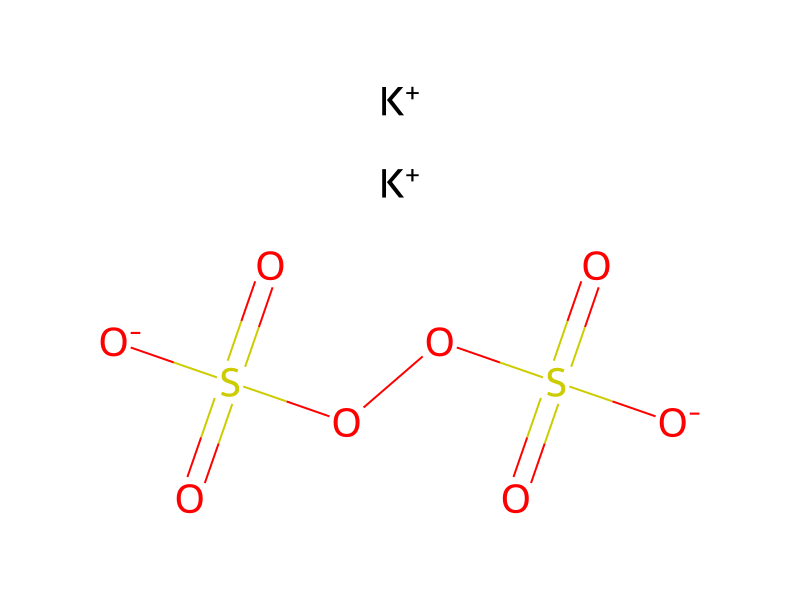
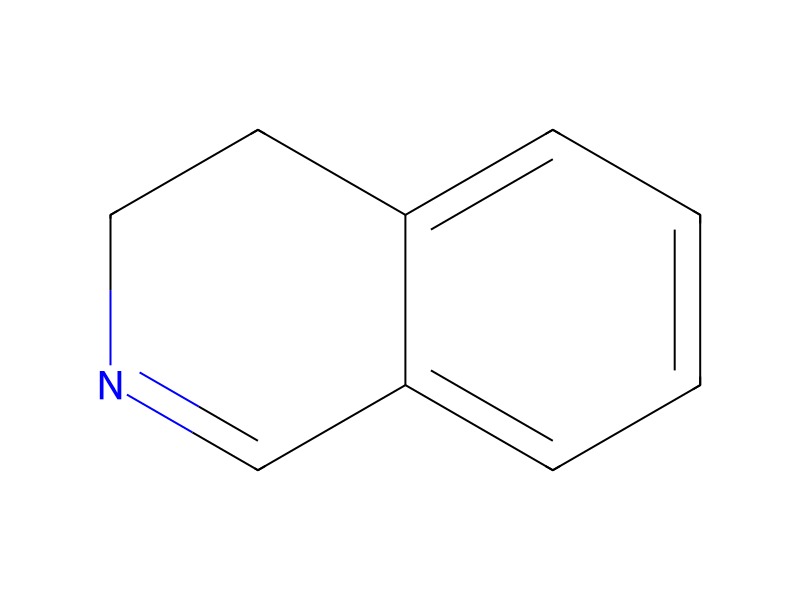
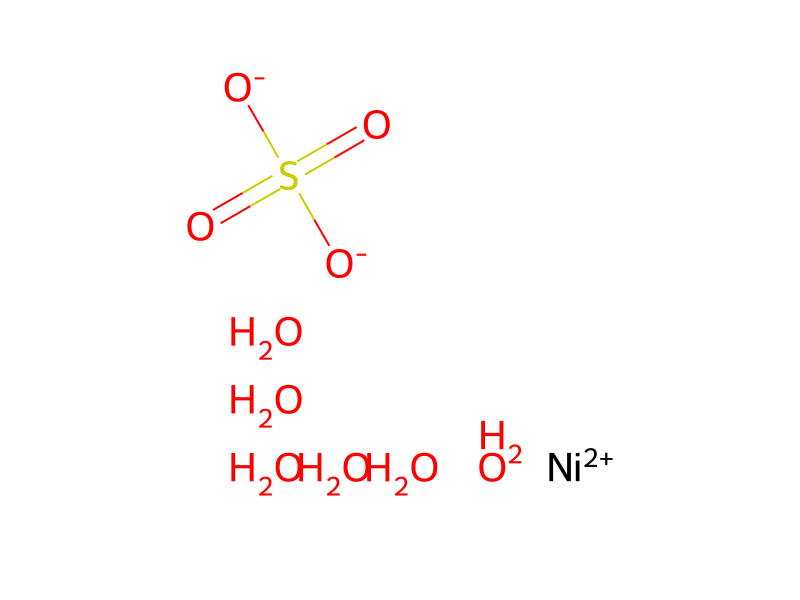

실험 절차
Into a 5000 ml, 3-neck round-bottom flask equipped with a mechanical stirrer is placed 1,2,3,4-tetrahydroisoquinoline (1) (25.005 g) and methylene chloride (750 ml). A solution of potassium persulfate (71.376 g) and sodium hydroxide (18.0456 g) in deionized water (1650 ml) is added. While vigorously stirring the biphasic mixture, a solution of nickel sulfate hexahydrate (0.6499 g) in deionized water (75 ml) is added dropwise to the mixture. The reaction is allowed to stir overnight at room temperature. The biphasic mixture is vacuum filtered through Celite, the phases separated and the water layer extracted (3×300 ml) with methylene chloride. The organics are combined, dried with MgSO4 and reduced by rotary evaporation to a thick, dark brown oil. The desired product is isolated from the oil by Kugelrohr distillation (0.1 mm Hg, 75° C.). The preparation is represented by the following reaction: ##STR26##
후처리
- customInto a 5000 ml, 3-neck round-bottom flask equipped with a mechanical stirrer
- stirringto stir overnight at room temperature
- filtrationfiltered through Celite
- customthe phases separated
- extractionthe water layer extracted (3×300 ml) with methylene chloride
- dry with materialdried with MgSO4
- customreduced by rotary evaporation to a thick, dark brown oil
출처 및 근거
- ORD 기록
- ord-1ef48c0ba78547a19b220b759a7f2b3e
- 출처 데이터셋
- uspto-grants-1996_11
- 특허 번호
- US05576282
연결된 노트
불러오는 중…