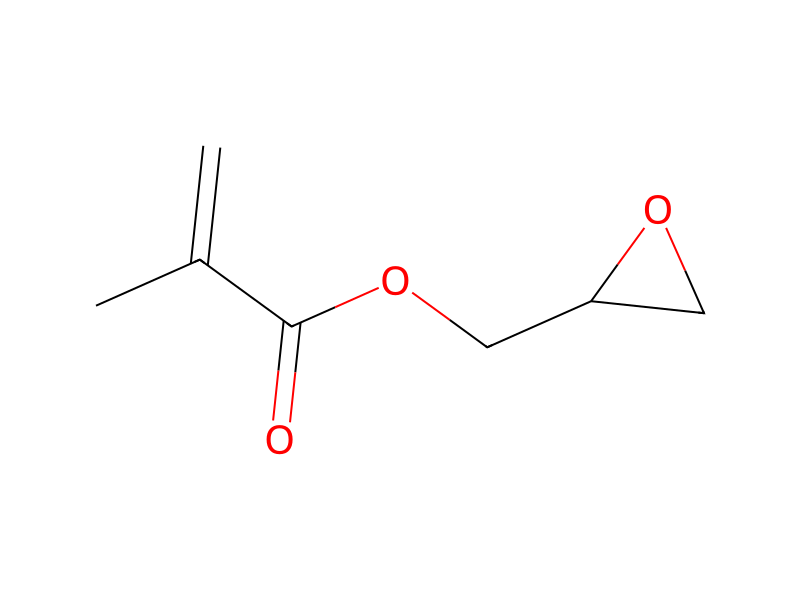
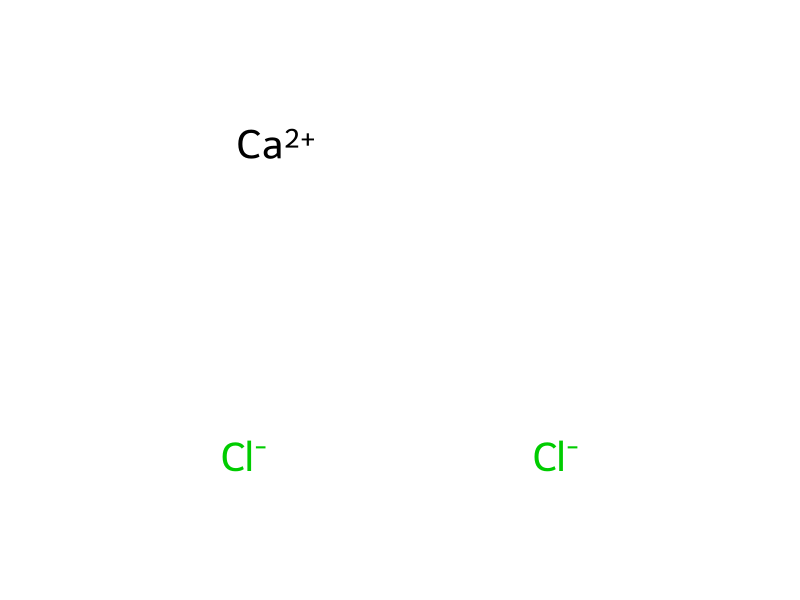
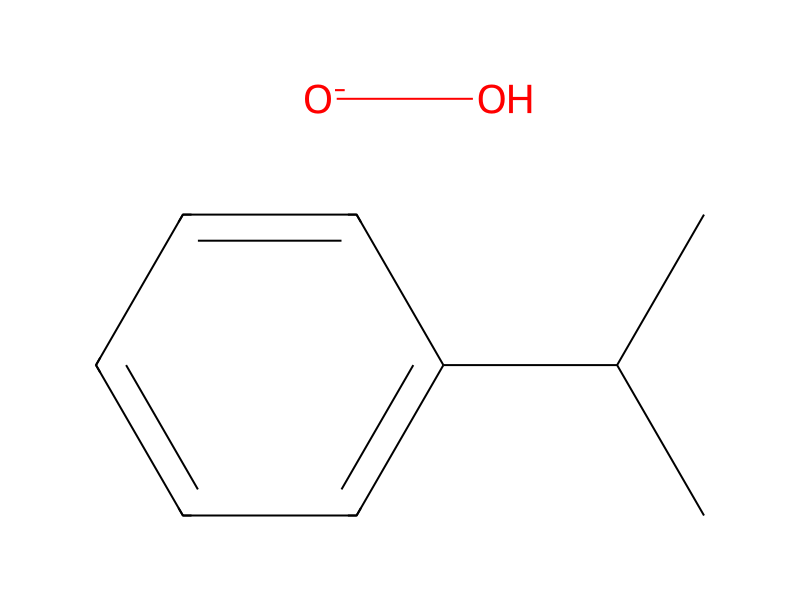
A stainless steel reactor equipped with a stirrer was purged with nitrogen. In the reactor were placed, under a nitrogen stream, 45 parts of styrene, 5 parts of glycidyl methacrylate, 0.43 part of tert-dodecylmercaptan, 1.0 part of sodium dodecylbenzenesulfonate and 140 parts of deionized water. While circulating hot water at 70° C. in the jacket of the reactor, there are further added thereto an aqueous solution of 0.1 part of sodium ethylenediaminetetraacetate, 0.003 part of ferrous sulfate, 0.2 part of formaldehyde-sodium sulfoxylate dihydrate and 15 parts of deionized water and 0.3 part of cumene hydroperoxide. Thereafter, polymerization reaction was effected for 2 hours. Subsequently, 45 parts of styrene, 5 parts of glycidyl methacrylate, 0.43 parts of tertdodecylmercaptan, 1.0 part of sodium dodecylbenzenesulfonate, 90 parts of deionized water and 0.3 part of cumene hydroperoxide were added, and the polymerization reaction was effected for a further 3 hours. To the resulting polymer latex was added an aqueous calcium chloride solution to coagulate the talex, and the polymer obtained was then washed, dehydrated and dried to obtain a polymer (Polymer D-1).