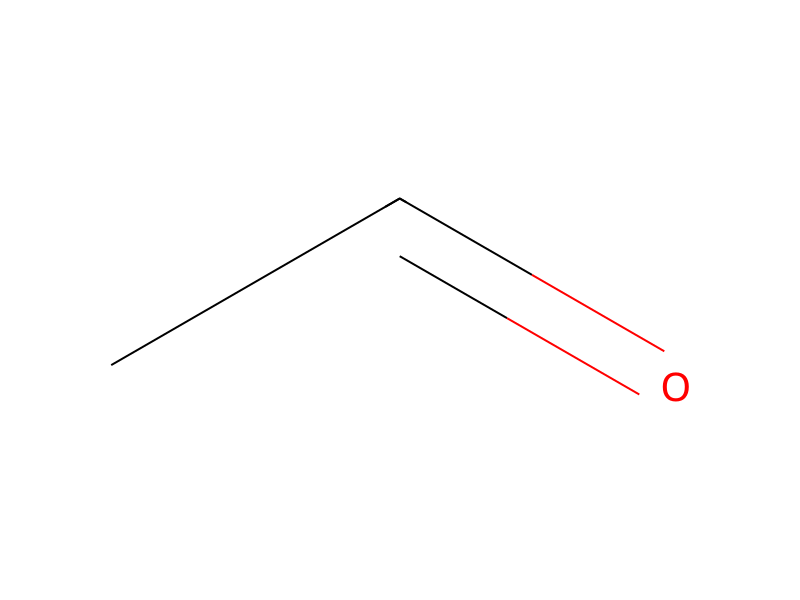
0.2 g (0.65 mmol) of 6-(cis-4-amino-cyclohexyloxy)-7-methyl-2H-isoquinolin-1-one hydrochloride (138), 69 mg (0.68 mmol) of triethylamine and 35 mg (0.78 mmol) of acetaldehyde were stirred in 13 ml of dry methanol for 4 h at 5° C. After addition of 37 mg (0.97 mol) of sodium borohydride the mixture was stirred overnight at room temperature. Since incomplete conversion of the starting amine was observed the same amounts of actetaldehyde and sodium borohydride were added again sequentially within 2 h. After further stirring for 2 hours the reaction mixture was acidified with concentrated hydrochloric acid and the methanol was evaporated. The aqueous residue was washed with ethyl acetate and then saturated with potassium carbonate and extracted with methylene chloride to give 145 mg of 6-(cis-4-ethylamino-cyclohexyloxy)-7-methyl-2H-isoquinolin-1-one (139). Rt=0.89 min (Method A). Detected mass: 301.20 (M+H+).