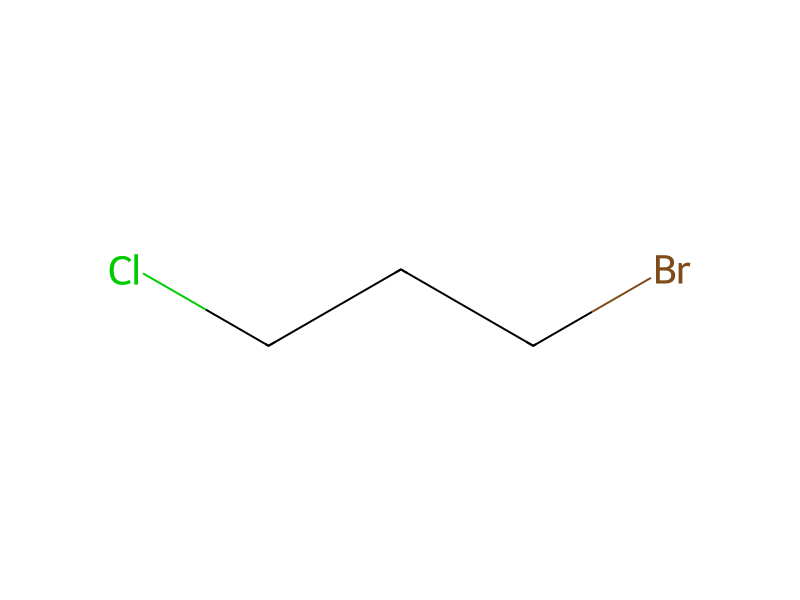
[OH:1][C:2]1[CH:3]=[C:4]2[C:9](=[CH:10][CH:11]=1)[NH:8][C:7](=[O:12])[CH2:6][CH2:5]2.C(=O)([O-])[O-].[Cs+].[Cs+].Br[CH2:20][CH2:21][CH2:22][Cl:23]>C(#N)C.C(Cl)(Cl)Cl>[Cl:23][CH2:22][CH2:21][CH2:20][O:1][C:2]1[CH:3]=[C:4]2[C:9](=[CH:10][CH:11]=1)[NH:8][C:7](=[O:12])[CH2:6][CH2:5]2A suspension of 6-hydroxy-3,4-dihydroquinolin-2(1H)-one (50 g), cesium carbonate (150 g) and 1-bromo-3-chloropropane (58 g) in acetonitrile (300 mL) was stirred at 110° C. for 4 hours. The reaction mixture was cooled to room temperature, diluted with chloroform and filtered to remove insoluble materials. The filtrate was concentrated under reduced pressure. The resulting residue was purified by silica gel column chromatography (eluting solvent: chloroform→chloroform/methanol=4/1), and the resulting solid was subjected to recrystallization from ethanol to give the titled compound (42 g, 68%) as a colorless solid.