반응식

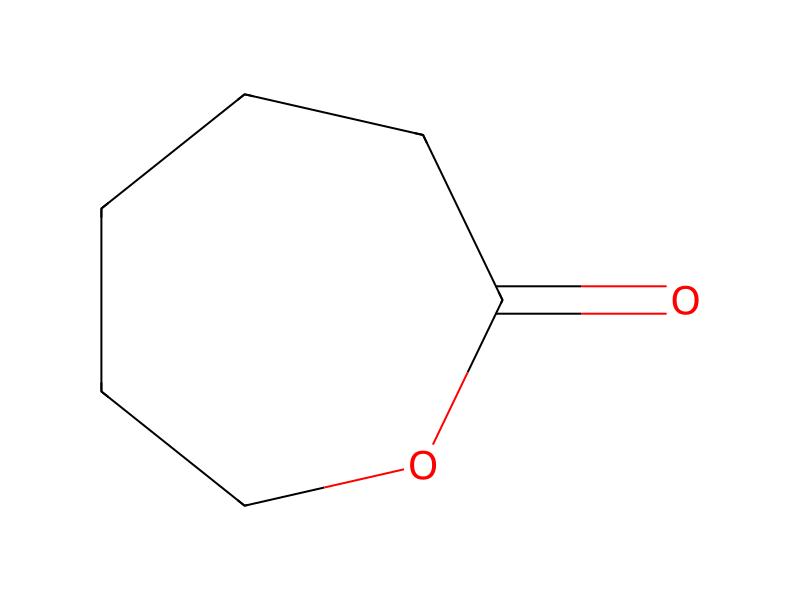
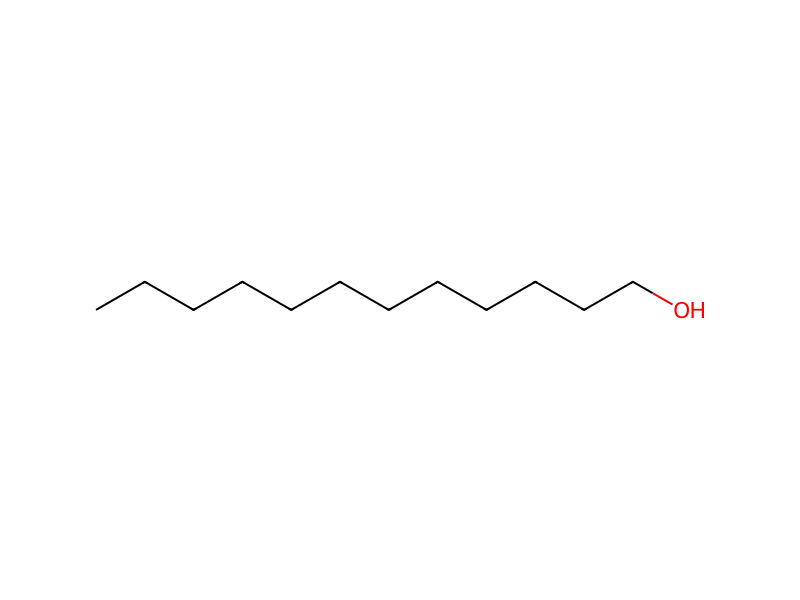
[CH3:1][CH:2]1[O:9][C:7](=[O:8])[CH:6]([CH3:10])[O:5][C:3]1=[O:4].[C:11]1(=[O:18])[O:17][CH2:16][CH2:15][CH2:14][CH2:13][CH2:12]1>[Sn].C(O)CCCCCCCCCCC>[CH3:1][CH:2]1[O:9][C:7](=[O:8])[CH:6]([CH3:10])[O:5][C:3]1=[O:4].[C:11]1(=[O:18])[O:17][CH2:16][CH2:15][CH2:14][CH2:13][CH2:12]1참가 물질
5



실험 절차
The procedure as described in Example 14 was substantially repeated except that the reaction flask was charged with 108.1 grams (0.75 moles) of DL-lactide and 28.5 grams (0.25 moles) of caprolactone. The same amount of dodecanol (5.6 mL, 0.025 moles) and Tin catalyst (0.10 mL) were used as were the reaction temperatures and times. A total of 85.3 grams of a thick viscous polymer were obtained with considerable polymer left in the reaction flask. This polymer was the most viscous of all the polymers prepared but still flowed as a liquid. The liquid polymer had a molecular weight as determined by GPC-MALS of 8086 daltons with a polydispersity of 1.21.
후처리
- customthe reaction temperatures and times
출처 및 근거
- ORD 기록
- ord-703ee26898014fddb59b04c0115e7978
- 출처 데이터셋
- uspto-grants-2012_05
- 특허 번호
- US08187640B2
연결된 노트
불러오는 중…