반응식

[CH2:1]([OH:13])[C:2]([C@@H:4]([OH:12])[C@H:5]([OH:11])[C:6]([C:8](O)=[O:9])=[O:7])=[O:3].[CH2:14]([OH:26])[C@H:15]([OH:25])[C@@H:16]([OH:24])[C@H:17]([OH:23])[C:18]([C:20]([OH:22])=[O:21])=[O:19]>>[O:9]=[CH:8][C@@H:6]([C@H:5]([C@@H:4]([C@@H:2]([CH2:1][OH:13])[OH:3])[OH:12])[OH:11])[OH:7].[CH2:14]([OH:26])[C:15]([C@@H:16]([OH:24])[C@H:17]([OH:23])[C:18]([C:20]([OH:22])=[O:21])=[O:19])=[O:25]참가 물질


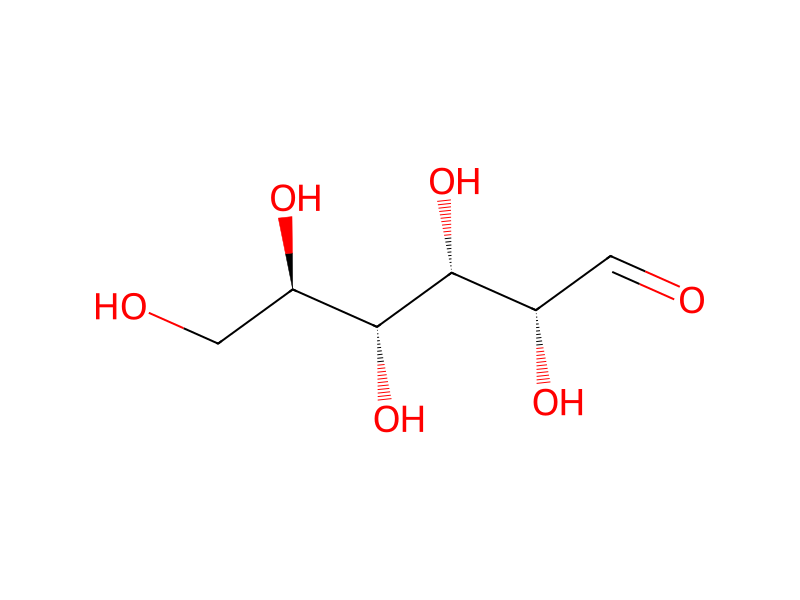
실험 절차
The present inventors have now found the fact that the 2,5-diketo-D-gluconic acid producing strain and the 2-keto-L-gulonic acid producing strain can coexist in the same fermentation broth and that the 2,5-diketo-D-gluconic acid produced from D-glucose by the 2,5-diketo-D-gluconic acid producing strain accumulated in a crude state, can be utilized by the 2-keto-L-gulonic acid producing strain without any disadvantages, and that the aforesaid undesired optical isomer which is by-produced along with the end product by the 2-keto-L-gulonic acid producing strain is, actually, not accumulated in the broth; the by-produced 2-keto-D-gluconic acid is converted again into 2,5-diketo-D-gluconic acid by the 2,5-diketo-D-gluconic acid producing strain for the repeated utilization by the 2-keto-L-gulonic acid producing strain.
출처 및 근거
- ORD 기록
- ord-c1632a6f4e724630bf8994f39b92f759
- 출처 데이터셋
- uspto-grants-1976_12
- 특허 번호
- US03998697
연결된 노트
불러오는 중…