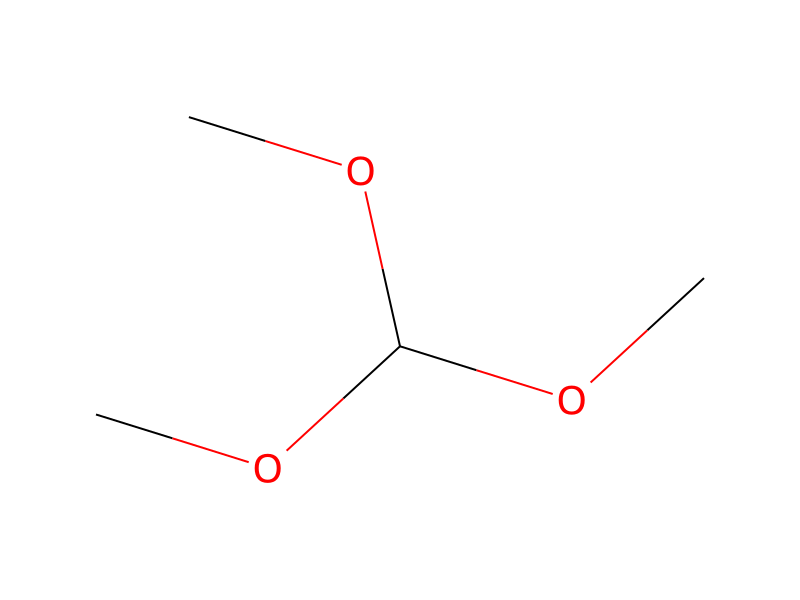
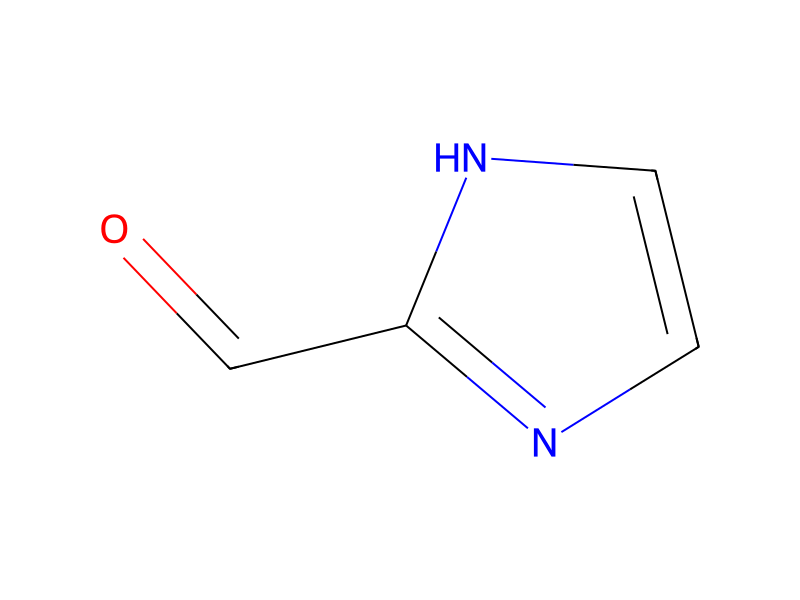
[NH2:1][CH2:2][C:3]1[CH:11]=[C:10]2[C:6]([CH:7]=[C:8]([CH2:12][CH2:13][CH2:14][CH2:15][N:16]([CH2:20][CH2:21][CH3:22])[CH2:17][CH2:18][CH3:19])[CH2:9]2)=[CH:5][CH:4]=1.[NH:23]1[CH:27]=[CH:26][N:25]=[C:24]1[CH:28]=O.C(OC)(OC)OC.[BH4-].[Na+]>CO>[NH:23]1[CH:27]=[CH:26][N:25]=[C:24]1[CH2:28][NH:1][CH2:2][C:3]1[CH:11]=[C:10]2[C:6]([CH:7]=[C:8]([CH2:12][CH2:13][CH2:14][CH2:15][N:16]([CH2:20][CH2:21][CH3:22])[CH2:17][CH2:18][CH3:19])[CH2:9]2)=[CH:5][CH:4]=1The compound (40.1 mg) obtained in Example 11-13 was dissolved in methanol (2.0 ml) and added with 2-imidazole carboxaldehyde (19.2 mg) and trimethyl orthoformate (42.5 mg) and the whole was stirred at room temperature for 30 minutes. Subsequently, the solution was added with sodium borohydride (15.1 mg) under ice-cooling, followed by stirring at room temperature for additional 30 minutes. The reaction solution was concentrated under reduced pressure. The residue was added with water, and extracted with chloroform. The organic layer was washed with a saturated saline solution and dried with anhydrous sodium sulfate, followed by concentration under reduced pressure. The residue was purified through silica gel column chromatography (chloroform/methanol), thereby obtaining the subject compound (27.3 mg) as a yellow oily substance.