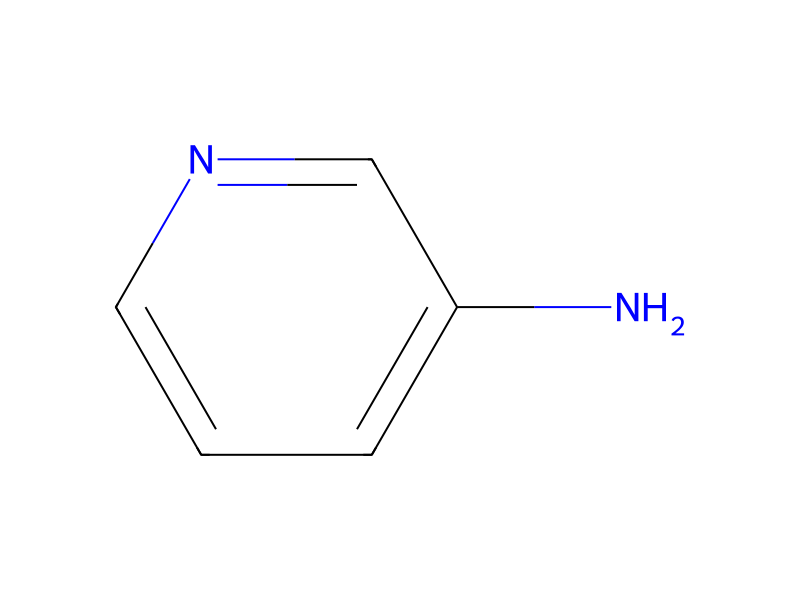
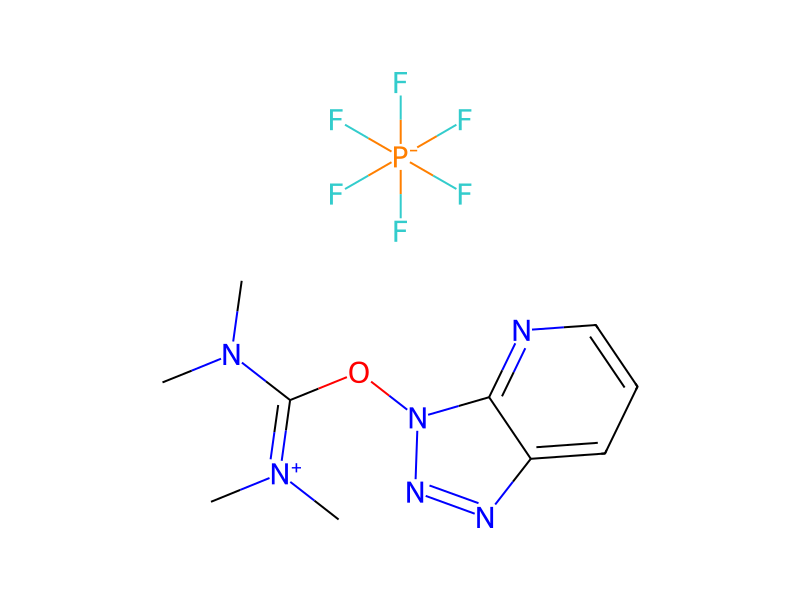
3-Amino-6-bromopyrazine-2-carboxylic acid (1.07 kg), 3-aminopyridine (460 g), triethylamine (680 ml) and DMF (6.4 L) were charged into a reactor. The mixture was cooled to −5 to 0° C. and stirred for 15 min. Under a nitrogen flow, HATU (1.8 kg) was slowly added in many portions while maintaining the temperature below 10° C. Upon addition, thick yellow precipitate formed. After addition, the mixture was stirred at 20-25° C. for 1 h. The reaction was analysed for completion (3-Amino-6-bromopyrazine-2-carboxylic acid=0%). Water (13 L) was added under vigorous stirring. The yellow suspension was stirred at 25° C. for 30 min. The suspension was filtered and the filter cake was recharged into reactor. Water (13 L) was charged. The yellow suspension was warmed to 50° C. and stirred at this temperature for 2 h. The suspension was filtered and the filter cake was washed with water. The wet product (3-Amino-6-bromo-N-(pyridin-3-yl)pyrazine-2-carboxamide) was dried in oven at 55° C. under a flow of nitrogen. (1.14 Kg).