홈MCP워크벤치Skills
홈워크벤치알림마이페이지
llms.txt · MCP 가이드개인정보처리방침 · 이용약관 · 지원v1.8.3
  1. 홈
  2. /반응

Ammonia → HCID 90087811, 화합물

HRID 2276870
인쇄

반응식

HRID 2276870 반응식
[N:1]1([CH:10]([NH:14][C:15]([O:17][CH2:18][C:19]2[CH:24]=[CH:23][CH:22]=[CH:21][CH:20]=2)=[O:16])[C:11](O)=[O:12])C2C=CC=CC=2N=N1.C(Cl)(=O)C(Cl)=O.[NH2:31][C:32]1[C:37]([CH3:38])=[CH:36][CH:35]=[CH:34][C:33]=1[C:39]([C:41]1[CH:46]=[CH:45][CH:44]=[CH:43][CH:42]=1)=O.CN1CCOCC1.N.C([O-])(=O)C.[NH4+]>C1COCC1.CCOC(C)=O.O.CN(C=O)C>[CH3:38][C:37]1[C:32]2[NH:31][C:11](=[O:12])[C@@H:10]([NH:14][C:15](=[O:16])[O:17][CH2:18][C:19]3[CH:24]=[CH:23][CH:22]=[CH:21][CH:20]=3)[N:1]=[C:39]([C:41]3[CH:46]=[CH:45][CH:44]=[CH:43][CH:42]=3)[C:33]=2[CH:34]=[CH:35][CH:36]=1
참가 물질반응 조건실험 절차후처리출처 및 근거반응 노트

참가 물질

11

반응물 6

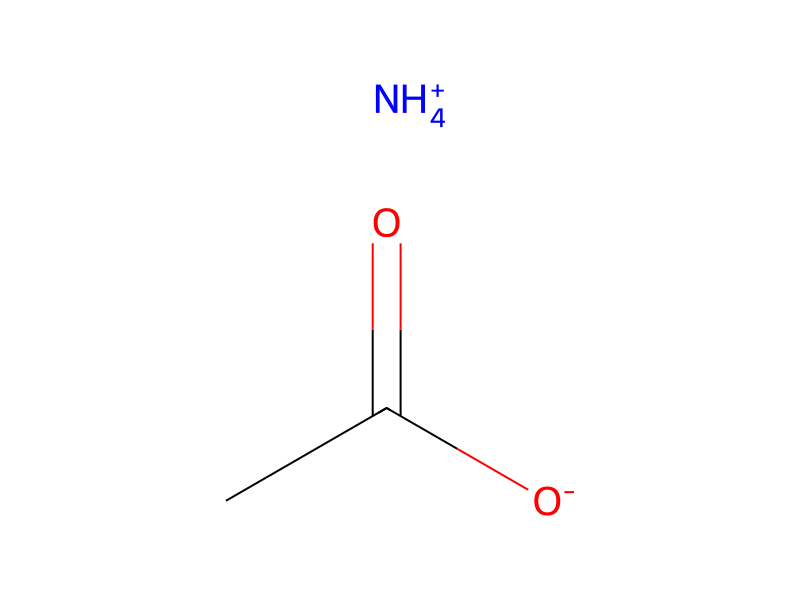
HCID 222AmmoniaHCID 79724-MethylmorpholineHCID 65578Oxalyl chlorideHCID 517165Ammonium AcetateHCID 4315963(1H-Benzotriazol-1-yl)(((benzyloxy)carbonyl)amino)acetic acidHCID 12290094Methanone, (2-amino-3-methylphenyl)phenyl-

생성물 1

HCID 90087811
HCID 90087811, 화합물

시약·촉매·용매 4

HCID 962Water용매HCID 6228Dimethylformamide용매HCID 8028Tetrahydrofuran용매HCID 8857Ethyl Acetate용매

반응 조건

온도
0 °C

실험 절차

A suspension of 2-(1H-benzo[d][1,2,3]triazol-1-yl)-2-(((benzyloxy)carbonyl)amino)acetic acid (17.30 g, 53.0 mmol) in THF (128 ml) and cooled to 0° C. Oxalyl chloride (4.64 ml, 53.0 mmol) was added, followed by 50 μL DMF. The reaction mixture was stirred for 2 h at 0° C. A solution of (2-amino-3-methylphenyl)(phenyl) methanone (5.09 g, 24.09 mmol) and N-methyl morpholine (7.95 ml, 72.3 mmol) was added, and the reaction mixture was allowed to warm gradually to room temperature. After 2.5 h ammonia (7 M in MeOH) (21.29 ml, 149 mmol) was added and the reaction mixture was stirred overnight. The resulting mixture was diluted with EtOAc (250 mL), and then washed with H2O (250 mL), 1 M NaOH (250 mL), and brine (250 mL). The organic layer was concentrated and then suspended in acetic acid (48.2 ml). Ammonium acetate (9.29 g, 120 mmol) was added. After 2.5 hours, H2O was added to precipitate the product resulting in a sticky solid. The solid was collected by filtration and suspended in a minimal amount of MeOH and cooled to 0° C. The resulting white solid was collected by filtration, washed with cold MeOH and then diethyl ether. The resulting material was dried under vacuum. The mixture of enantiomers was separated using SFC to afford the desired compound: (S)-benzyl (9-methyl-2-oxo-5-phenyl-2,3-dihydro-1H-benzo[e][1,4]diazepin-3-yl)carbamate (1.6 g, 16.63%). HPLC RT=2.773 min (CHROMOLITH® SpeedROD, 5.0 μm, 4.6 mm×50 mm, 10-90% aqueous methanol containing 0.1% TFA, 4 min gradient, monitored at 220 nm). [M+H+]=400.4. 1H NMR (400 MHz, DMSO-d6) δ 8.35 (d, J=8.6 Hz, 1H), 7.56-7.37 (m, 11H), 7.23-7.17 (m, 1H), 7.16-7.12 (m, 1H), 5.12-4.99 (m, 3H), 2.42 (s, 3H).

후처리

  1. temperatureto warm gradually to room temperature
  2. stirringthe reaction mixture was stirred overnight
  3. washwashed with H2O (250 mL), 1 M NaOH (250 mL), and brine (250 mL)
  4. concentrationThe organic layer was concentrated
  5. waitAfter 2.5 hours
  6. customto precipitate the product
  7. customresulting in a sticky solid
  8. filtrationThe solid was collected by filtration
  9. temperaturecooled to 0° C
  10. filtrationThe resulting white solid was collected by filtration
  11. washwashed with cold MeOH
  12. customThe resulting material was dried under vacuum
  13. additionThe mixture of enantiomers
  14. customwas separated

출처 및 근거

ORD 기록
ord-11099682037840759aeef9fd5df5d0cd
출처 데이터셋
uspto-grants-2015_09
DOI
10.6084/m9.figshare.5104873.v1
특허 번호
US09133139B2

반응 노트

이 페이지에서참가 물질반응 조건실험 절차후처리출처 및 근거반응 노트