Benzene → HCID 69701332, 화합물
반응식

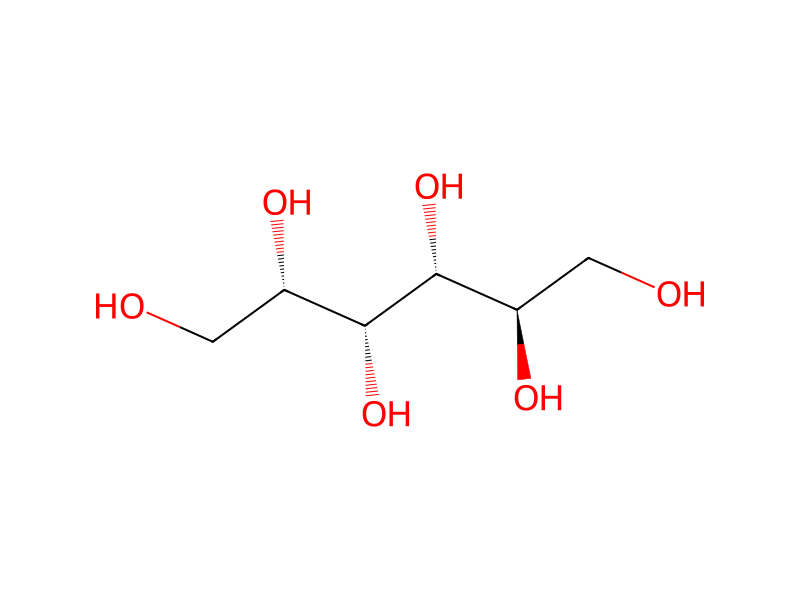
[OH:1][CH2:2][C@@H:3]([C@H:5]([C@@H:7]([C@@H:9]([CH2:11][OH:12])[OH:10])[OH:8])[OH:6])[OH:4].[CH:13]([C:16]1[CH:23]=[CH:22][C:19]([CH:20]=O)=[CH:18][CH:17]=1)([CH3:15])[CH3:14].[CH3:24]S(C)=O.[CH:28]1[CH:33]=[CH:32][CH:31]=[CH:30][CH:29]=1.[CH:34](O)([CH3:36])[CH3:35]>>[CH:13]([C:16]1[CH:23]=[CH:22][C:19]([CH:20]=[C:2]([OH:1])[C@@H:3]([OH:4])[C@@H:5]([OH:6])[C@H:7]([OH:8])[C@@H:9]([OH:10])[C:11](=[CH:24][C:28]2[CH:33]=[CH:32][C:31]([CH:34]([CH3:36])[CH3:35])=[CH:30][CH:29]=2)[OH:12])=[CH:18][CH:17]=1)([CH3:15])[CH3:14]참가 물질
6





실험 절차
The reaction procedure of Example 8 is repeated in the same manner with the exception of using 26.8 g of sorbitol, 48.0 g of p-isopropylbenzaldehyde, 1.0 g of C9 alkylbenzenesulfonic acid, 9 ml of dimethylsulfoxide, 120 ml of benzene and 100 ml of isopropanol. The reaction is conducted in a semisolid phase for 3 hours, giving di-(p-isopropylbenzylidene)sorbitol in a yield of 93% with a purity of 95%.