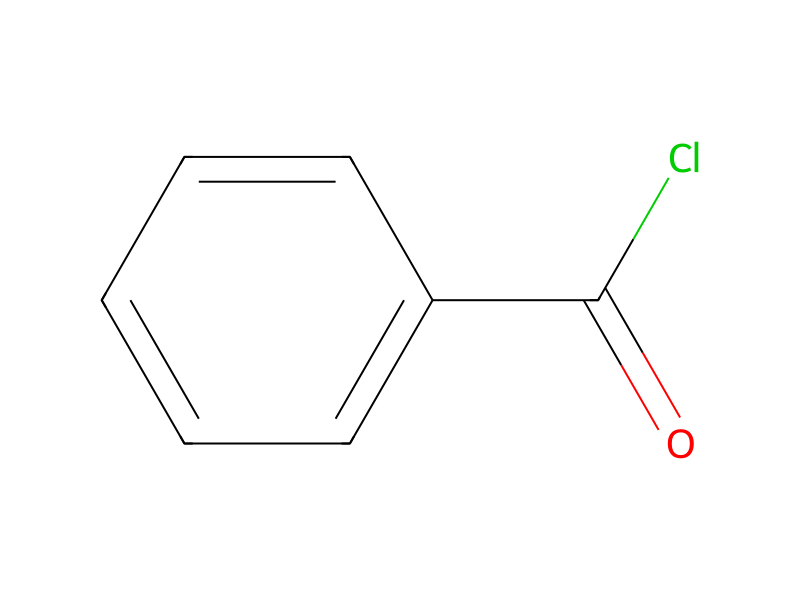
FC(F)(F)C(O)=O.[CH3:8][O:9][C:10]1[CH:30]=[CH:29][C:13]([CH2:14][N:15]2[C:19]3[N:20]=[CH:21][C:22]4[CH2:23][CH:24]([NH2:28])[CH2:25][CH2:26][C:27]=4[C:18]=3[CH:17]=[N:16]2)=[CH:12][CH:11]=1.[C:31](Cl)(=[O:38])[C:32]1[CH:37]=[CH:36][CH:35]=[CH:34][CH:33]=1>ClCCl.CCN(C(C)C)C(C)C>[CH3:8][O:9][C:10]1[CH:11]=[CH:12][C:13]([CH2:14][N:15]2[C:19]3[N:20]=[CH:21][C:22]4[CH2:23][CH:24]([NH:28][C:31](=[O:38])[C:32]5[CH:37]=[CH:36][CH:35]=[CH:34][CH:33]=5)[CH2:25][CH2:26][C:27]=4[C:18]=3[CH:17]=[N:16]2)=[CH:29][CH:30]=1To a solution of 3-(4-methoxy-benzyl)-6,7,8,9-tetrahydro-3H-pyrazolo[3,4-c]isoquinolin-7-ylamine trifluoroacetate salt (0.092 g, 0.21 mmol) in dichloromethane (5 mL) and Hunig's Base (0.20 mL) was added benzoyl chloride (50 μL, 0.43 mmol). The reaction mixture was shaken at room temperature for 1 hour. The solvent was then removed under reduced pressure and the residue partitioned between EtOAc and 1.0N NaOH. The organic layer was then separated, washed with brine (2×10 mL) and concentrated under reduced pressure to give a residue. The crude product was purified by reverse phase HPLC to give the desired product, N-(3-(4-methoxybenzyl)-6,7,8,9-tetrahydro-3H-pyrazolo[3,4-c]isoquinolin-7-yl)benzamide as an off-white solid (0.046 g, 51%). Alternatively the crude product could be used in the next step without any further purification. M.p.>65° C.; 400 MHz 1H NMR (DMSO-d6) δ: 8.50 (d, J=7.6 Hz, 1H), 8.03 (s, 1H), 7.95 (s, 1H), 7.87 (m, 2H), 7.48 (m, 3H), 7.17 (m, 2H), 6.85 (m, 2H), 5.53 (m, 2H), 4.30 (m, 1H), 3.70 (s, 3H), 3.24-3.13 (m, 3H), 2.95 (m, 1H), 2.16 (m, 1H), 1.99 (m, 1H); LCMS [M+H]: 413.