반응식

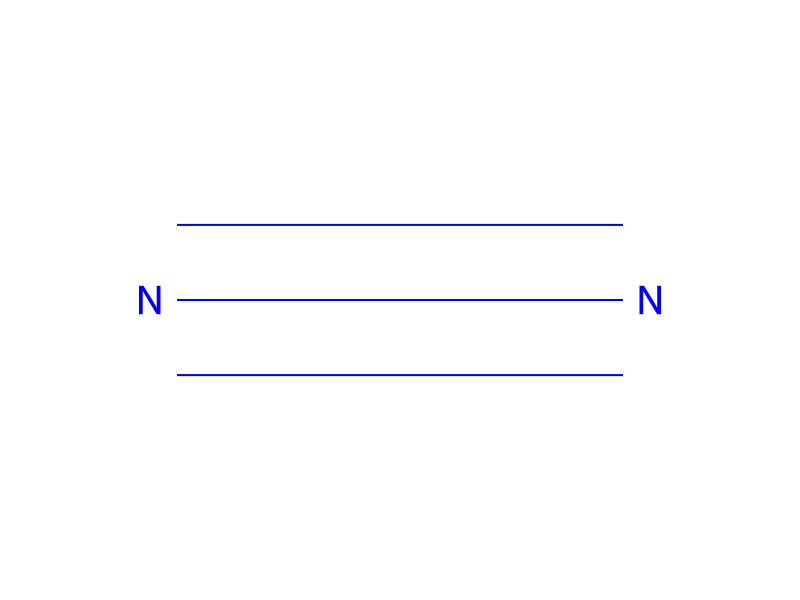
CCCCCCCCCO[C:11]1[CH:16]=[CH:15][C:14]([N:17]=[N:18][C:19]2[CH:24]=[CH:23][C:22](OCCCCCCCCCOC(C=C)=O)=[CH:21][CH:20]=2)=[CH:13][CH:12]=1.N#N>O.C(Cl)(Cl)Cl>[N:17]([C:14]1[CH:13]=[CH:12][CH:11]=[CH:16][CH:15]=1)=[N:18][C:19]1[CH:24]=[CH:23][CH:22]=[CH:21][CH:20]=1참가 물질




반응 조건
- 온도
- 64 °C
실험 절차
The polymer precursors A9AB9 and DA9AB along with the surfactant AC10COONa were used, with the structure of each shown in FIG. 3. The azobenzene nanoparticles were synthesized using a mini-emulsion process. Similar processes have been described in documents 12 through 14. To prepare the instant nanoparticle, 15 mg of surfactant AC10COONa was dissolved in 10 ml of water. 20 mol % of A9AB9 and 80 mol % of DA9AB were mixed with 2 w % 2,2′-azoisobutyronitrile (AIBN) in 2 g of chloroform. The solution was added drop by drop to the surfactant solution and stirred for 1 hour. The mixture was then sonicated in an ice bath for 2 minutes at 90% amplitude using an Ultrasonic Processor (ACE Glass, Inc) with a probe (Model LV261). The resulting mini-emulsion was stirred at room temperature with N2 bubbled into it for 15 min to remove oxygen. With continuous stirring and bubbling of N2, the emulsion was then heated in an oil bath at 64° C. for 6 hours to remove chloroform and promote polymerization. A nanocolloid suspension comprising the desired nanoparticles was obtained.
후처리
- customTo prepare the instant nanoparticle, 15 mg of surfactant AC10COONa
- additionThe solution was added drop by drop to the surfactant solution
- customThe mixture was then sonicated in an ice bath for 2 minutes at 90%
- custombubbled into it for 15 min
- customto remove oxygen
- stirringWith continuous stirring
- custombubbling of N2
- customto remove chloroform
- custompolymerization
- customwas obtained
출처 및 근거
- ORD 기록
- ord-89d5f8b069624e83980fc4878835cdcc
- 출처 데이터셋
- uspto-grants-2014_02
- 특허 번호
- US08652352B2
연결된 노트
불러오는 중…