Ammonium formate → 2-(Pyridin-3-ylmethyl)quinuclidin-3-amine
HRID 31077
반응식

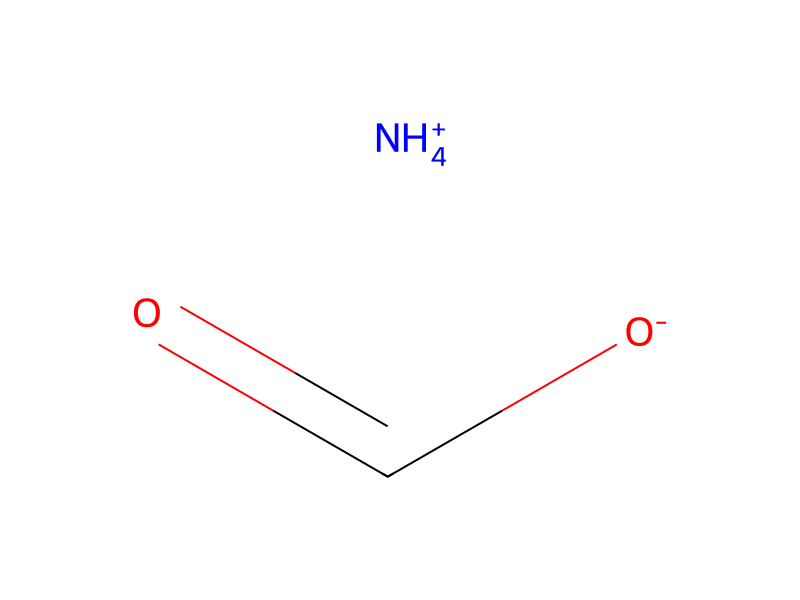
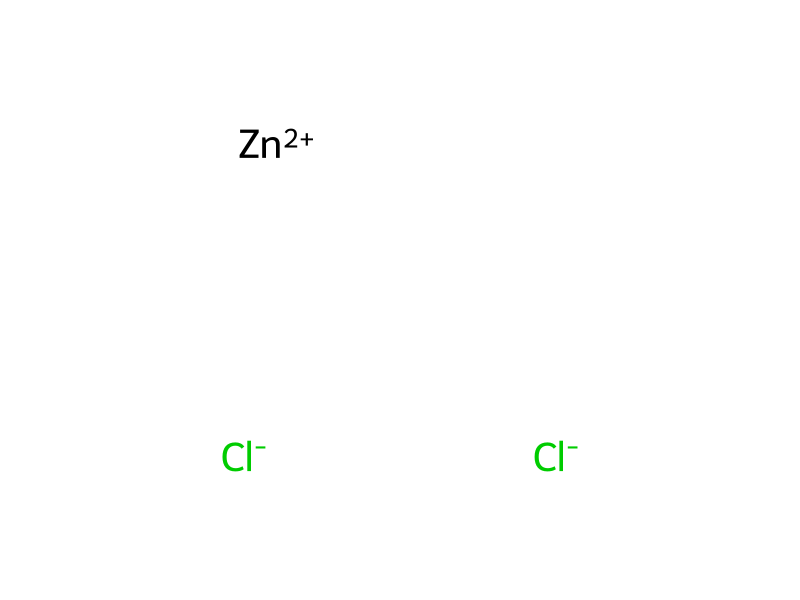
[N:1]1[CH:6]=[CH:5][CH:4]=[C:3]([CH2:7][CH:8]2[C:13](=O)[CH:12]3[CH2:15][CH2:16][N:9]2[CH2:10][CH2:11]3)[CH:2]=1.C([O-])=O.[NH4+].C([BH3-])#[N:22].[Na+]>[Cl-].[Zn+2].[Cl-]>[NH2:22][CH:13]1[CH:12]2[CH2:15][CH2:16][N:9]([CH2:10][CH2:11]2)[CH:8]1[CH2:7][C:3]1[CH:2]=[N:1][CH:6]=[CH:5][CH:4]=1참가 물질
5



실험 절차
Another illustration of derivatization of saturated ketone intermediates is the reductive amination to give amines. Thus, 2-((3-pyridinyl)methyl)-1-azabicyclo[2.2.2]octan-3-one reacts with ammonium formate, zinc chloride and sodium cyanoborohydride to give 3-amino-2-((3-pyridinyl)methyl)-1-azabicyclo[2.2.2]octane as predominantly the cis diastereomer. Likewise, reaction of 2-((3-pyridinyl)methyl)-1-azabicyclo[2.2.2]octan-3-one with methylamine and sodium cyanoborohydride provides 3-(methylamino)-2-((3-pyridinyl)methyl)-1-azabicyclo[2.2.2]octane. These amine derivatives can be used as a template for library formation by reacting them with a variety of acylating agents (e.g., acid chlorides, acid anhydrides, active esters, and carboxylic acids in the presence of coupling reagents) and isocyanates to produce 2-((3-pyridinyl)methyl)-1-azabicyclo[2.2.2]octanes with amide and urea substituents in the 3-position of the 1-azabicyclo[2.2.2]octane, both of which classes are compounds of the present invention. Commercially unavailable isocyanates can be prepared in situ from corresponding amines and triphosgene in the presence of triethylamine. Such derivatives can be produced as single enantiomers, using the single enantiomers of 3-amino-2-((3-pyridinyl)methyl)-1-azabicyclo[2.2.2]octane and 3-(methylamino)-2-((3-pyridinyl)methyl)-1-azabicyclo[2.2.2]octane as starting materials. For instance, the (2R,3R)- and (2S,3 S)-3-amino-2-((3-pyridinyl)methyl)-1-azabicyclo[2.2.2]octanes can be produced by resolution of the cis 3-amino-2-((3-pyridinyl)methyl)-1-azabicyclo[2.2.2]octane, for example, using diastereomeric amides. Thus, when the cis amine is reacted with a chiral acid such as (S)—N-(tert-butoxycarbonyl)proline using a suitable coupling agent such as diphenylchlorophosphate, a pair of diastereomeric amides, separable by reverse phase chromatography, is produced. The separated proline amides can then be deprotected, for example, by treatment with trifluoroacetic acid (to remove the tert-butoxycarbonyl protecting group) and then the proline can be cleaved from the desired amine, for example, using Edman degradation conditions (i.e., phenylisothiocyanate, followed by trifluoroacetic acid).