Phosphorus tribromide → 1-(2-Bromo-4-pyridyl)-2,3-bis(methoxycarbonyl)-6,7-dimethoxynaphthalene
반응식

Cl[C:2]1[CH:7]=[C:6]([C:8]2[C:17]3[C:12](=[CH:13][C:14]([O:20][CH3:21])=[C:15]([O:18][CH3:19])[CH:16]=3)[CH:11]=[C:10]([C:22]([O:24][CH3:25])=[O:23])[C:9]=2[C:26]([O:28][CH3:29])=[O:27])[CH:5]=[CH:4][N:3]=1.P(Br)(Br)[Br:31]>ClC(Cl)C(Cl)Cl>[Br:31][C:2]1[CH:7]=[C:6]([C:8]2[C:17]3[C:12](=[CH:13][C:14]([O:20][CH3:21])=[C:15]([O:18][CH3:19])[CH:16]=3)[CH:11]=[C:10]([C:22]([O:24][CH3:25])=[O:23])[C:9]=2[C:26]([O:28][CH3:29])=[O:27])[CH:5]=[CH:4][N:3]=1참가 물질
4
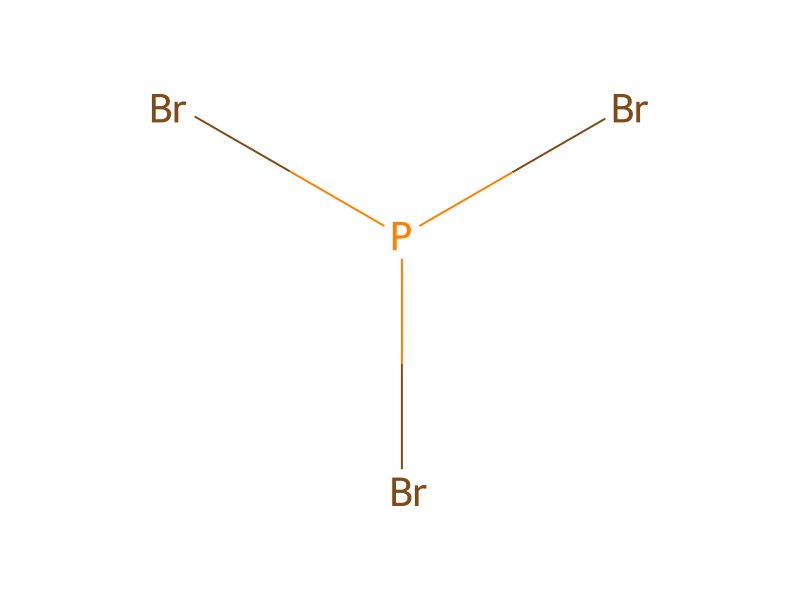


반응 조건
- 온도
- 100 °C
실험 절차
A mixture of 1-(2-chloro-4-pyridyl)-2,3-bis(methoxycarbonyl)-6,7-dimethoxynaphthalene (22.7 g), phosphorus tribromide (52 ml) and 1,1,2,2-tetrachloroethane (100 ml) is stirred at 100° C. for 10 hours. After the reaction is complete, the mixture is concentrated under reduced pressure to remove the solvent, and thereto are added methylene chloride and an aqueous potassium carbonate solution. The methylene chloride layer is separated, and concentrated under reduced pressure to remove the solvent. The residue is crystallized from methanol to give 1-(2-bromo-4-pyridyl)-2,3-bis(methoxycarbonyl)-6,7-dimethoxynaphthalene (17.1 g).