홈MCP워크벤치Skills
홈워크벤치알림마이페이지
llms.txt · MCP 가이드개인정보처리방침 · 이용약관 · 지원v1.8.0
  1. 홈
  2. /반응

Sulfuric Acid → 7-(5-Methyl-isoxazol-3-yl)-1,2,4,5-tetrahydro-benzo[d]azepine-3-carboxylic acid tert-butyl ester

HRID 33210
노트
인쇄 미리보기

반응식

HRID 33210 반응식
[C:1]([O:5][C:6]([N:8]1[CH2:14][CH2:13][C:12]2[CH:15]=[C:16]([C:19](=[N:21][OH:22])[CH3:20])[CH:17]=[CH:18][C:11]=2[CH2:10][CH2:9]1)=[O:7])([CH3:4])([CH3:3])[CH3:2].[CH2:23]([Li])[CH2:24]CC.CN(OC)C(=O)C.S(=O)(=O)(O)O.C(=O)(O)[O-].[Na+].C(OC(OC(C)(C)C)=O)(OC(C)(C)C)=O.Cl.NO>O1CCCC1.N1C=CC=CC=1.ClCCl.O>[C:1]([O:5][C:6]([N:8]1[CH2:14][CH2:13][C:12]2[CH:15]=[C:16]([C:19]3[CH:20]=[C:23]([CH3:24])[O:22][N:21]=3)[CH:17]=[CH:18][C:11]=2[CH2:10][CH2:9]1)=[O:7])([CH3:4])([CH3:2])[CH3:3]
참가 물질실험 절차후처리출처 및 근거반응 노트

참가 물질

12

반응물 7

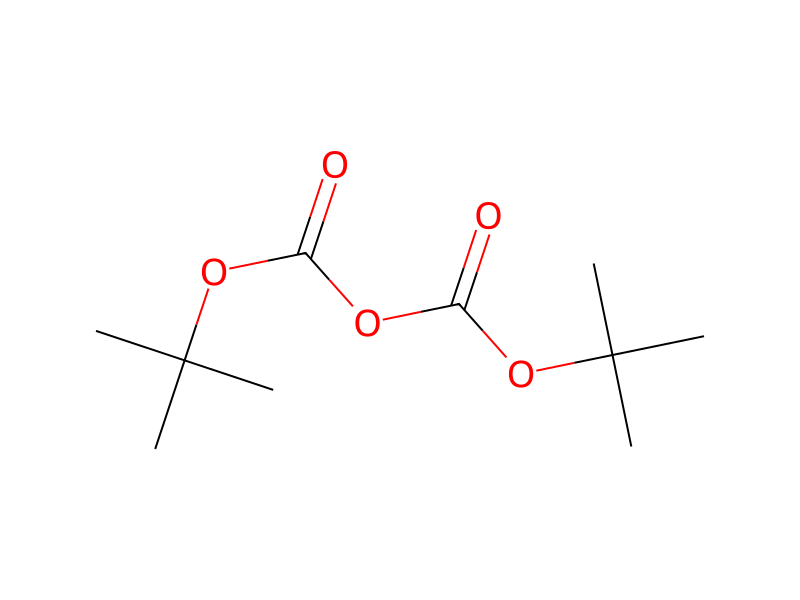
HCID 1118Sulfuric AcidHCID 90495Di-tert-butyl dicarbonateHCID 443297Hydroxyamine hydrochlorideHCID 516892Sodium BicarbonateHCID 537505N-Methoxy-N-methylacetamideHCID 865941687-(1-Hydroxyimino-ethyl)-1,2,4,5-tetrahydro-benzo[d]azepine-3-carboxylic acid tert-butyl ester
HCID 178418339
Butyllithium

생성물 1

HCID 688879747-(5-Methyl-isoxazol-3-yl)-1,2,4,5-tetrahydro-benzo[d]azepine-3-carboxylic acid tert-butyl ester수율 61%

시약·촉매·용매 4

HCID 962Water용매HCID 1049Pyridine용매HCID 6344Dichloromethane용매HCID 8028Tetrahydrofuran용매2회

실험 절차

7-(1-Hydroxyimino-ethyl)-1,2,4,5-tetrahydro-benzo[d]azepine-3-carboxylic acid tert-butyl ester (2.89 g, 9.5 mmol) was cooled to 0° C. in tetrahydrofuran (70 ml) under argon. Butyllithium (7.6 ml, 2.5M in hexane, 19 mmol) was added dropwise to give an orange solution which was stirred for 1 h. N-Methyl-N-methoxy acetamide (824 mg, 8 mmol) was added dropwise in tetrahydrofuran (30 ml) over 3 min. The mixture was stirred for 1 h and then poured into water (27 ml) and concentrated sulphuric acid (3 ml). The resulting mixture was heated to reflux for 1 h and then cooled and neutralised with solid sodium bicarbonate. The mixture was partitioned between dichloromethane (200 ml) and water (100 ml) and the layers separated. The aqueous portion was extracted with dichloromethane (2×100 ml) and the combined organic extracts were evaporated. The residue was treated with dichloromethane (50 ml) and di-tert-butyl dicarbonate (2.18 g, 10 mmol) and the mixture stirred for 20 min, washed with water (50 ml) and evaporated. The residue was treated with pyridine (10 ml) and hydroxylamine hydrochloride (0.77 g, 11 mmol) and the mixture stirred for 1 h. The solvent was evaporated and the residue dissolved in dichloromethane (50 ml) which was washed with dilute hydrochloric acid (3×50 ml, 0.5M). The solvent was evaporated and the residue was purified by silica gel chromatography (eluent dichloromethane) which gave the title compound as a colourless solid (447 mg, 61%).


후처리

  1. customto give an orange solution which
  2. stirringThe mixture was stirred for 1 h
  3. temperatureThe resulting mixture was heated
  4. temperatureto reflux for 1 h
  5. customThe mixture was partitioned between dichloromethane (200 ml) and water (100 ml)
  6. customthe layers separated
  7. extractionThe aqueous portion was extracted with dichloromethane (2×100 ml)
  8. customthe combined organic extracts were evaporated
  9. stirringthe mixture stirred for 20 min
  10. washwashed with water (50 ml)
  11. customevaporated
  12. stirringthe mixture stirred for 1 h
  13. customThe solvent was evaporated
  14. dissolutionthe residue dissolved in dichloromethane (50 ml) which
  15. washwas washed with dilute hydrochloric acid (3×50 ml, 0.5M)
  16. customThe solvent was evaporated
  17. customthe residue was purified by silica gel chromatography (eluent dichloromethane) which

출처 및 근거

ORD 기록
ord-288d119f08cc43d084592c459796c58a
출처 데이터셋
uspto-grants-2008_09
DOI
10.6084/m9.figshare.5104873.v1
특허 번호
US07429579B2

반응 노트

불러오는 중…

이 페이지에서참가 물질실험 절차후처리출처 및 근거반응 노트