반응식

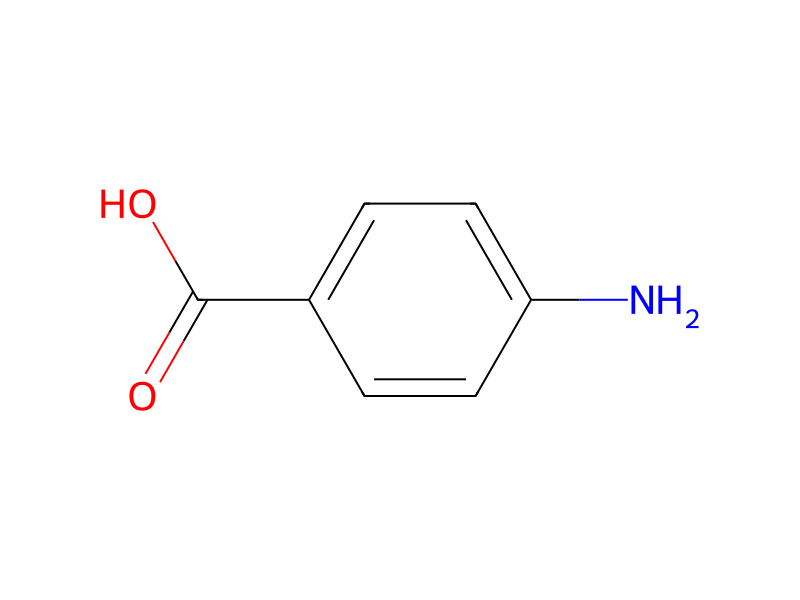
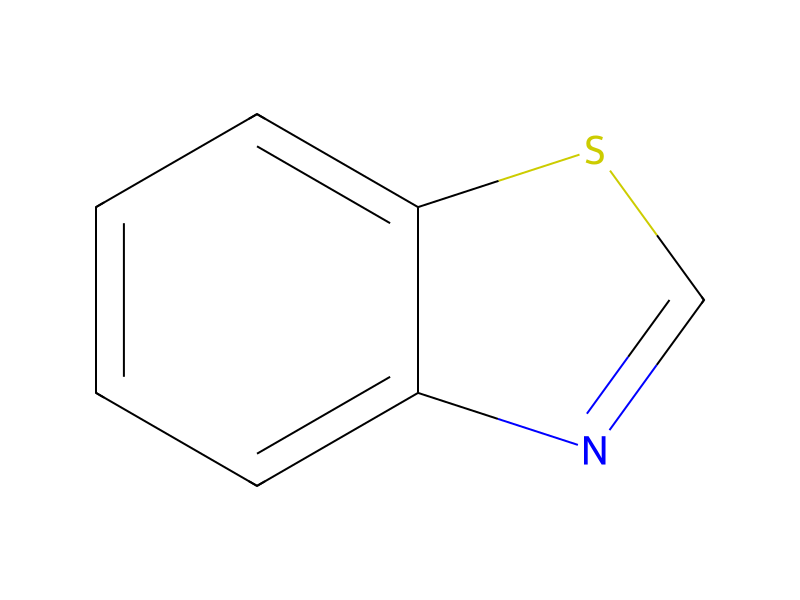
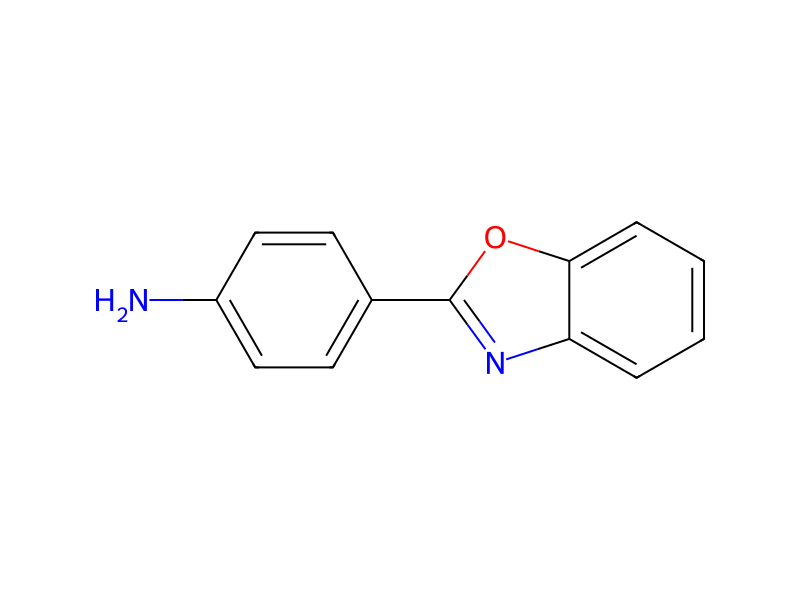
[NH2:1][C:2]1[CH:7]=[CH:6][CH:5]=[CH:4][CH:3]=1.[NH2:8][C:9]1[CH:17]=[CH:16][C:12]([C:13]([OH:15])=O)=[CH:11][CH:10]=1.[N-:18]=[C:19]=[S:20].C(Cl)(Cl)=S.[C:25]([CH2:27][C:28]([NH2:30])=[O:29])#[N:26]>>[NH2:8][C:9]1[CH:10]=[CH:11][C:12]([C:13]2[O:15][C:3]3[CH:4]=[CH:5][CH:6]=[CH:7][C:2]=3[N:1]=2)=[CH:16][CH:17]=1.[S:20]1[C:3]2[CH:4]=[CH:5][CH:6]=[CH:7][C:2]=2[N:18]=[CH:19]1.[N:1]1[C:2]2[CH:7]=[CH:6][CH:5]=[CH:4][C:3]=2[NH:26][CH:25]=1.[C:19]([CH:27]([C:25]#[N:26])[C:28]([NH2:30])=[O:29])(=[S:20])[NH2:18]참가 물질
9




실험 절차
The 2-(4-aminophenyl)benzoxazole, benzothiazole, or benzimidazole was prepared by condensation of the appropriate aniline derivative with p-amino benzoic acid using polyphosphoric acid. The product was converted to the corresponding isothiocyanate with thiophosgene and subsequently condensed with cyanoacetamide to form the thiocarbamoyl cyanoacetamide. Treatment with bromine afforded the cyano hydroxy thiazole, which was converted to carboxamidine by treatment with the appropriate amide, as shown above.
출처 및 근거
- ORD 기록
- ord-ffad715435b24c70909bdbc409e32c04
- 출처 데이터셋
- uspto-grants-2008_09
- 특허 번호
- US07429667B2
연결된 노트
불러오는 중…