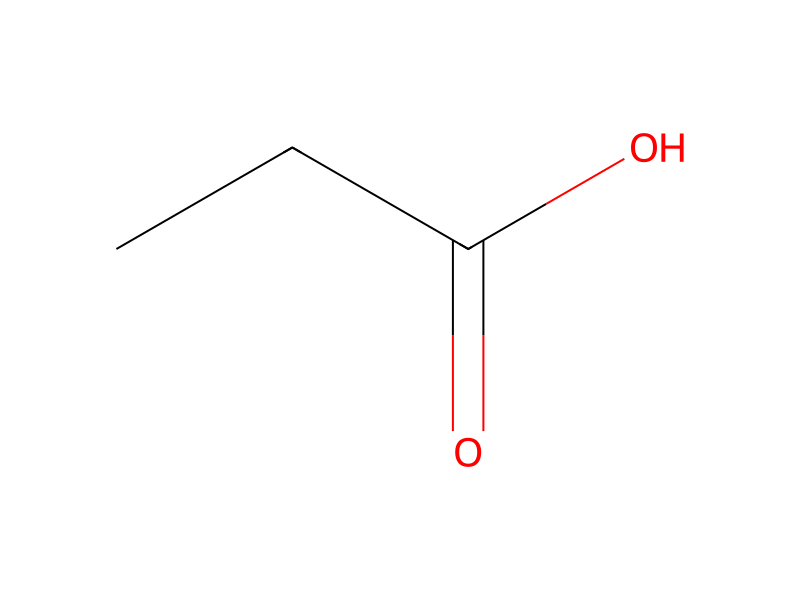
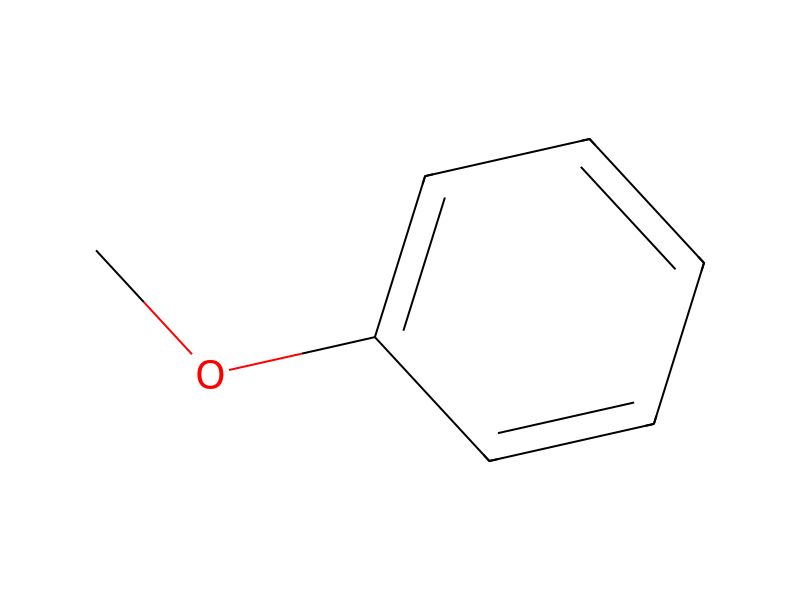
Propionic Acid → Anisole
반응식

[C:1]1([O:7][CH3:8])[CH:6]=[CH:5][CH:4]=[CH:3][CH:2]=1.[C:9](O)(=[O:12])CC.[Na].[OH-].[K+].S([O-])([O-])(=O)=O.[C:22]([N+](C(C)(C)C)(C(C)(C)C)C(C)(C)C)(C)(C)[CH3:23].C([N+](C(C)(C)C)(C(C)(C)C)C(C)(C)C)(C)(C)C.S([O-])([O-])(=O)=O.C([P+](CC)(C(C)(C)C)C(C)(C)C)C.C([P+](C(C)(C)C)(C(C)(C)C)CC)C>[Cl-].C([P+](CC)(CC)CC)C.[Pt].O>[C:1]1([O:7][CH3:8])[CH:6]=[CH:5][CH:4]=[CH:3][CH:2]=1.[CH2:8]([O:7][C:1]1[CH:6]=[CH:5][CH:4]=[CH:3][C:2]=1[O:12][CH3:9])[CH2:22][CH3:23]