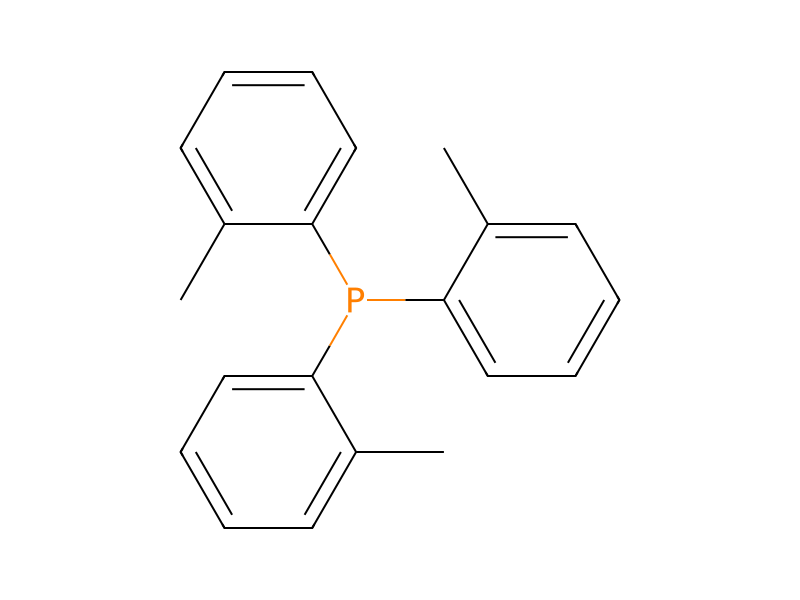
A mixture of 1.07 g (5 mmol) of N-(5-bromo-pyridin-2-yl)-acetamide, 1.00 g (10 mmol) of butyl vinyl ether, 0.245 g (0.8 mmol) of tri-o-tolylphosphine, 0.090 g (0.4 mmol) of palladium acetate, and 1.10 mL (7.9 mmol) of triethylamine in 10 mL of acetonitrile containing 15 mg of hydroquinone was heated at reflux for about 18 hours. The reaction mixture was then cooled, concentrated, and the residue was taken up in 10 mL of 6 M hydrochloric acid and stirred for about 15 minutes. The mixture was then diluted with 40 mL of ethyl acetate, adjusted to pH 8 with 6 M sodium hydroxide, and the aqueous phase was saturated with sodium chloride. The ethyl acetate layer was separated, dried, and concentrated. The residue was chromatographed on silica gel (2:1 ethyl acetate-hexanes), to afford 0.578 g of N-(5-acetyl-pyridin-2-yl)-acetamide as white needles, mp 146-147° C. (recrystallization solvent=1:4 ethanol-hexanes); 1H nmr (deuteriochloroform): δ=8.82 (br s, 1 H), 8.21 (m, 3 H), 2.56 (s, 3 H), 2.22 (s, 3 H); ms (NH3Cl): m/z=179 (MH+).