반응식

C(=O)(O)O.[C:5]([OH:10])(=O)[C:6](O)=[O:7].C(O)(=O)C(CO)O.C(O)(=O)CO.C(O)(=O)C(C)O.[O:29]=[C:30](O)[C@@H:31]([C@@H:33]([CH2:35][OH:36])[OH:34])[OH:32]>>[O:29]=[CH:30][C@@H:31]([C@H:33]([C@@H:35]([C@@H:6]([CH2:5][OH:10])[OH:7])[OH:36])[OH:34])[OH:32]참가 물질
7




실험 절차
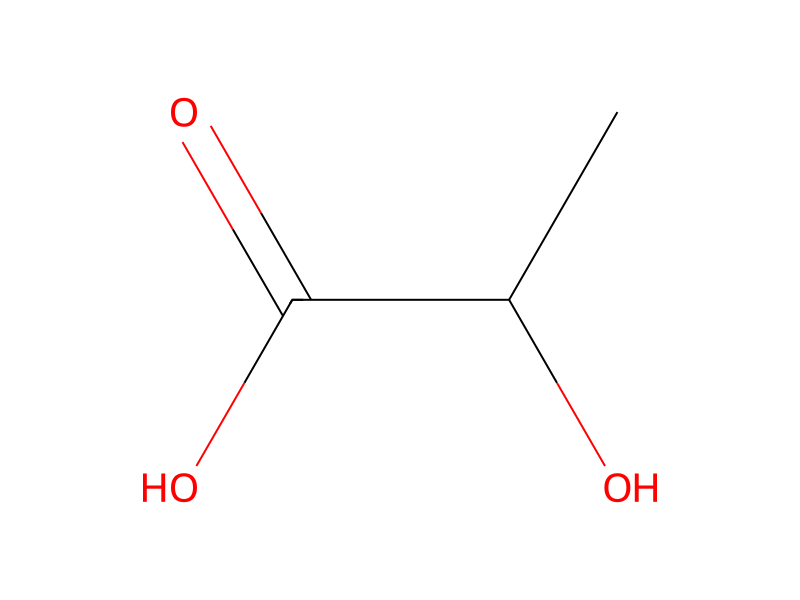
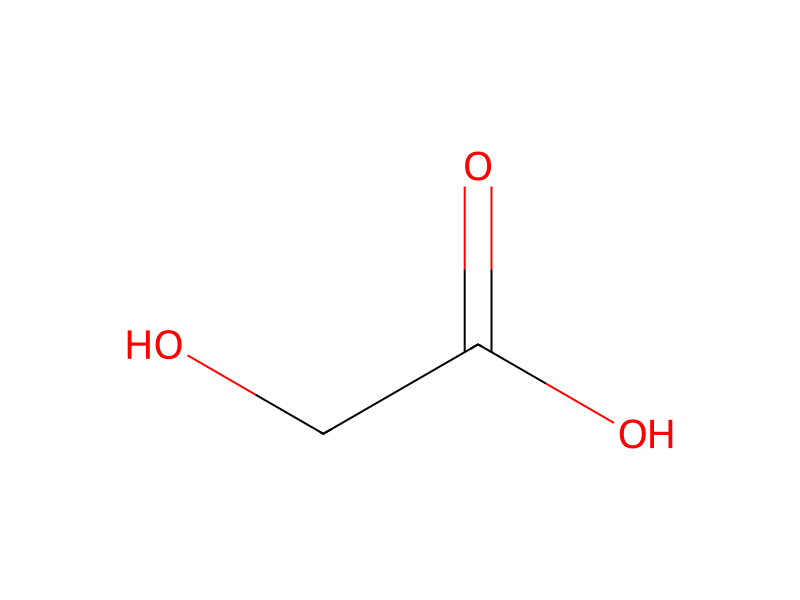
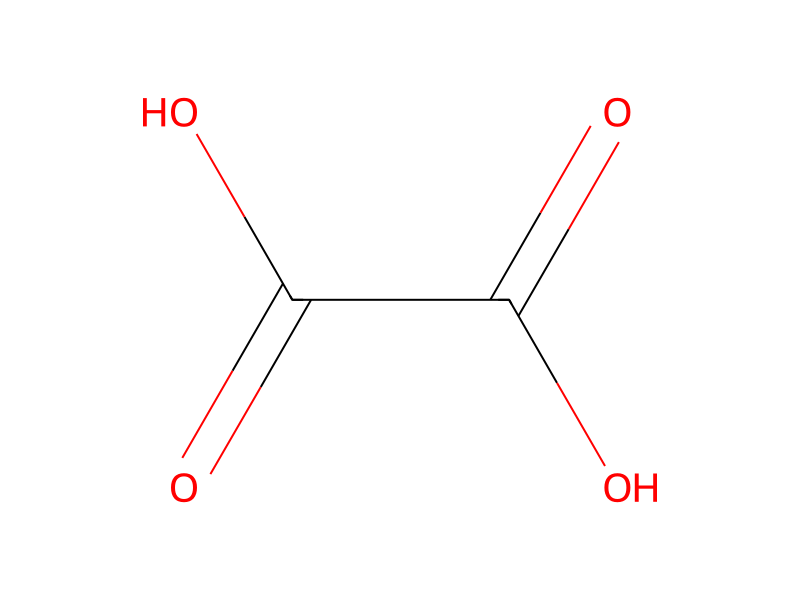
This type of alkaline oxidative degradation, which is 25 effective both on hemiacetal functions and on ketone functions, also entails the formation of by-products such as, in particular, carbonic acid, oxalic acid, glyceric acid, glycolic acid, lactic acid, erythronic acid and, of course, fornic acid, which are obtained in a molar yield of about 25% from glucose when the alkalinity conditions are such that they allow a 75% yield of arabinonate. Formic acid is always produced in yields close to 100% of the stoichiometry.
출처 및 근거
- ORD 기록
- ord-7c204958a2f44b7ea5aa2ea832301073
- 출처 데이터셋
- uspto-grants-1998_10
- 특허 번호
- US05817780
연결된 노트
불러오는 중…