홈MCP워크벤치Skills
홈워크벤치알림마이페이지
llms.txt · MCP 가이드개인정보처리방침 · 이용약관 · 지원v1.8.0
  1. 홈
  2. /반응

Hydrochloric Acid → 9-(1-Naphthyl)-9H-carbazole

HRID 426384
노트
인쇄 미리보기

반응식

HRID 426384 반응식
Br[C:2]1[C:11]2[C:6](=[CH:7][CH:8]=[CH:9][CH:10]=2)[CH:5]=[CH:4][CH:3]=1.[CH:12]1[C:24]2[NH:23][C:22]3[C:17](=[CH:18][CH:19]=[CH:20][CH:21]=3)[C:16]=2[CH:15]=[CH:14][CH:13]=1.C(=O)([O-])[O-].[K+].[K+].C1OCCOCCOCCOCCOCCOC1.Cl>[Cu](I)I.C1OCCOCCOCCOCCOCCOC1.C1(C)C=CC=CC=1.CN1CCCN(C)C1=O>[C:2]1([N:23]2[C:24]3[CH:12]=[CH:13][CH:14]=[CH:15][C:16]=3[C:17]3[C:22]2=[CH:21][CH:20]=[CH:19][CH:18]=3)[C:11]2[C:6](=[CH:7][CH:8]=[CH:9][CH:10]=2)[CH:5]=[CH:4][CH:3]=1
참가 물질반응 조건실험 절차후처리출처 및 근거반응 노트

참가 물질

10

반응물 5

HCID 313Hydrochloric AcidHCID 6854CarbazoleHCID 70011-Bromonaphthalene3회HCID 11430Potassium CarbonateHCID 2855718-Crown-6

생성물 1

HCID 6262189-(1-Naphthyl)-9H-carbazole수율 75%

시약·촉매·용매 4

HCID 28557
18-Crown-6
촉매
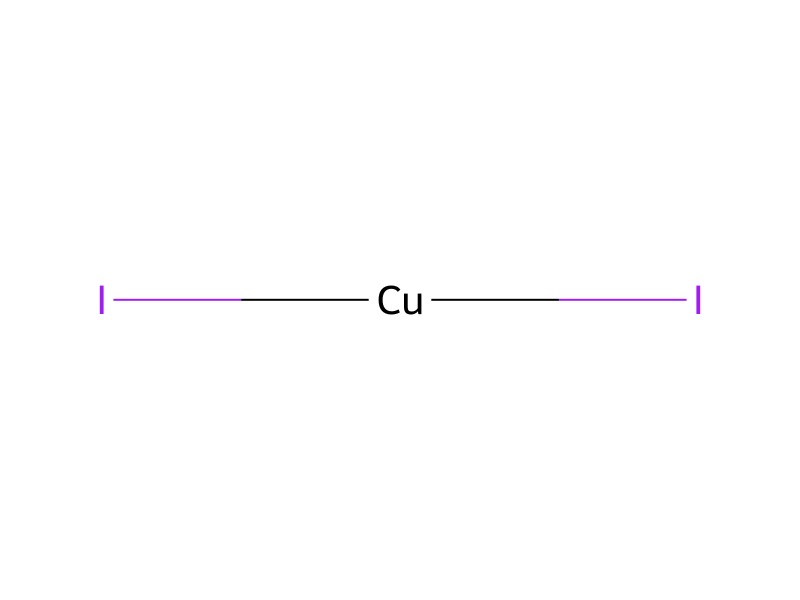
HCID 83717Copper iodide촉매2회
HCID 1140Toluene용매
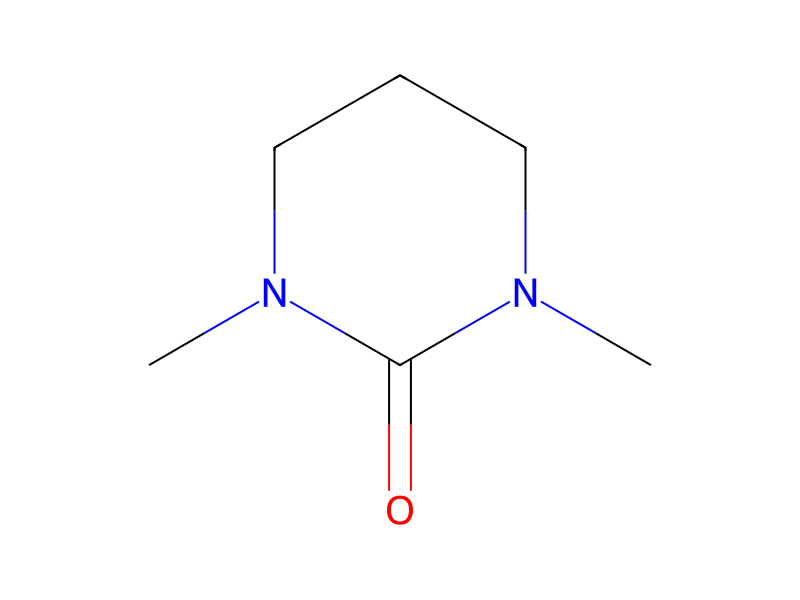
HCID 816462(1H)-Pyrimidinone, tetrahydro-1,3-dimethyl-용매

반응 조건

온도
170 °C

실험 절차

21 g (0.1 mol) of 1-bromonaphthalene, 17 g (0.1 mol) of carbazole, 950 mg (5 mmol) of copper iodide (I), 33 g (240 mmol) of potassium carbonate, and 660 mg (2.5 mmol) of 18-crown-6-ether were put into a 500 mL three-neck flask, and nitrogen substitution was carried out in the flask. To this mixture was added 80 mL of 1,3-dimethyl-3,4,5,6-tetrahydro-2(1H)-pyrimidinone (abbreviation: DMPU), which was followed by stirring for 6 hours at 170° C. under nitrogen. To this reaction mixture was further added 10 g (50 mmol) of 1-bromonaphthalene, 2.0 g (10 mmol) of copper iodide (I), and 2.6 g (10 mmol) of 18-crown-6-ether, and stirring was further conducted for 7.5 hours at 170° C. Furthermore, to this reaction mixture was added 10 g (50 mmol) of 1-bromonaphthalene, and additional stirring was carried out for 6 hours at 180° C. After the reaction was completed, to this reaction mixture was added about 200 mL of toluene and about 100 mL of 1 mol/L hydrochloric acid, and then the mixture was filtered through celite. The obtained filtrate was filtered through Florisil and celite. The obtained filtrate was separated into an organic layer and an aqueous layer, and after this organic layer was washed with 1 mol/L hydrochloric acid and then with water, the organic layer was dried over magnesium sulfate. This suspension was filtered through Florisil and celite. The filtrate was concentrated to give an oily substrate, and methanol was added to this oily substrate, followed by irradiation with ultrasound to precipitate a solid. The solid precipitated was collected by suction filtration, giving 22 g of 9-(1-naphthyl)carbazole as white powder (75% yield). The Rf values (SiO2, eluent; hexane:ethyl acetate=10:1) of 9-(1-naphthyl)carbazole, 1-bromonaphthalene, and carbazole were 0.61, 0.74, and 0.24, respectively.


후처리

  1. stirringstirring
  2. waitwas further conducted for 7.5 hours at 170° C
  3. stirringadditional stirring
  4. waitwas carried out for 6 hours at 180° C
  5. filtrationthe mixture was filtered through celite
  6. filtrationThe obtained filtrate was filtered through Florisil and celite
  7. customThe obtained filtrate was separated into an organic layer
  8. washan aqueous layer, and after this organic layer was washed with 1 mol/L hydrochloric acid
  9. dry with materialwith water, the organic layer was dried over magnesium sulfate
  10. filtrationThis suspension was filtered through Florisil and celite
  11. concentrationThe filtrate was concentrated
  12. customto give an oily substrate, and methanol
  13. additionwas added to this oily substrate
  14. customfollowed by irradiation with ultrasound
  15. customto precipitate a solid
  16. customThe solid precipitated
  17. filtrationwas collected by suction filtration

출처 및 근거

ORD 기록
ord-9037664f74284ecdbdca9dce6313ec66
출처 데이터셋
uspto-grants-2012_01
DOI
10.6084/m9.figshare.5104873.v1
특허 번호
US08106392B2

반응 노트

불러오는 중…

이 페이지에서참가 물질반응 조건실험 절차후처리출처 및 근거반응 노트